

Beyond Botox: Why Copper Peptides (GHK-Cu) Are the Future of Skincare
June 13, 2025
Managing Blood Pressure: The Silent Killer in Bodybuilding
June 20, 2025
Have you ever wondered how your nervous system impacts your mental well-being? The connection between nervous system health and mental well-being is more significant than many realize. From regulating emotions and managing stress to influencing how we think and feel, the nervous system plays a vital role in our overall mental health. But what happens when our nervous system isn’t functioning optimally? Can this lead to mental health issues like anxiety, depression, or chronic stress?
In my experience working in the health and wellness field, I’ve seen firsthand how closely intertwined nervous system health and mental well-being are. There was a time when I dealt with prolonged periods of stress due to a demanding work schedule and personal responsibilities. I started to notice physical symptoms like constant fatigue, difficulty concentrating, and frequent headaches. At first, I brushed them off as a normal response to stress, but as time passed, I realized these were signs that my nervous system was under strain.
During this period, I also experienced increased anxiety and mood swings, which were unusual for me. After some research and consultation with a healthcare professional, I learned that chronic stress had significantly affected my nervous system, disrupting my mental well-being. This experience led me to explore various techniques to support and heal my nervous system, such as mindfulness practices, regular exercise, and a balanced diet rich in nutrients that support nerve function.
The journey to recovery wasn’t quick, but with consistent effort, I noticed a significant improvement in both my physical symptoms and mental state. This personal experience deepened my understanding of how crucial it is to maintain nervous system health for overall mental well-being. It’s about managing stress and nurturing and supporting our body’s intricate network of nerves to function optimally.
This article will explore the intricate relationship between nervous system health and mental well-being. We’ll discuss the symptoms of a weak nervous system, ways to keep it healthy, and how specific exercises can improve physical and psychological health. By the end of this article, you’ll better understand how to support your nervous system to enhance your mental well-being.
Nervous System Health and Mental Well-being
The relationship between nervous system health and mental well-being is complex and multifaceted. Our nervous system, consisting of the brain, spinal cord, and a network of nerves, controls nearly every body function, including our emotional responses, thought processes, and stress management. When the nervous system functions optimally, it helps maintain balance in our mental and emotional states. However, if it’s compromised, it can lead to a range of mental health issues, such as anxiety, depression, and cognitive difficulties.
Learn more: the Impact of Social Media on Mental Health
How Nervous System Health Affects Mental Well-being
The nervous system acts as the body’s communication network, transmitting signals between the brain and the rest of the body. It is critical in regulating emotions, controlling stress responses, and managing overall mood and behavior. When our nervous system is healthy, we experience better mental clarity, emotional stability, and resilience to stress.
- Impact on Stress Management
- Emotional Regulation
- Cognitive Function
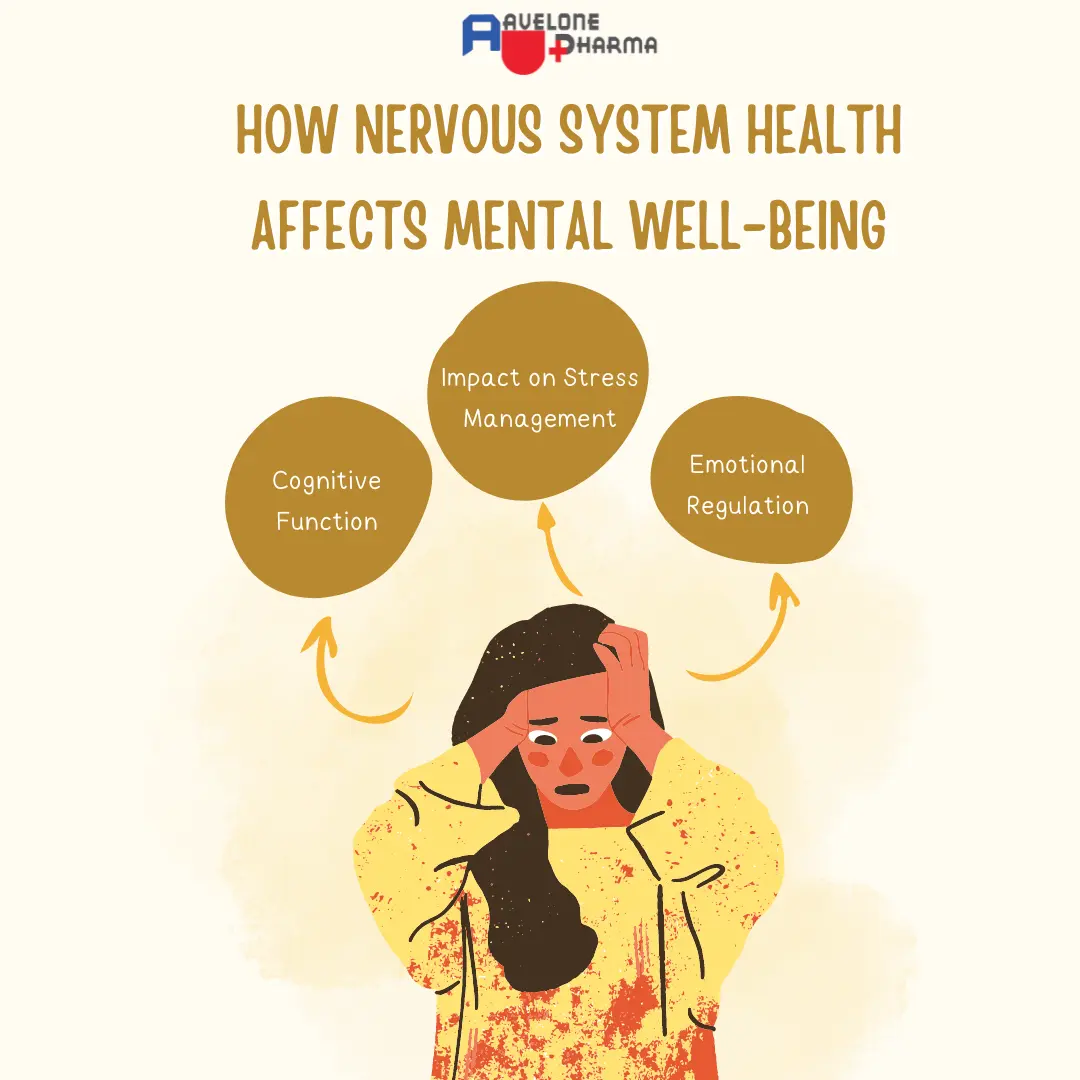
Impact on Stress Management
A well-functioning nervous system helps regulate the release of stress hormones like cortisol and adrenaline. Chronic stress can over-activate the sympathetic nervous system, leading to a constant “fight or flight” response that can exhaust the body and mind.
Emotional Regulation
The nervous system is integral in processing and regulating emotions. Imbalances in neurotransmitters, which are chemicals that transmit signals in the brain, can lead to mood disorders such as anxiety and depression.
Cognitive Function
A healthy nervous system supports cognitive functions like memory, focus, and decision-making. Any disruption in nervous system health can impair these mental abilities, leading to difficulty concentrating and processing information.
Learn more: hippocampus function
Symptoms of a Weak Nervous System
Recognizing the signs of a weak or compromised nervous system is the first step in addressing and improving nervous system health and mental well-being. Here are some common symptoms:
- Chronic Fatigue
- Persistent Stress and Anxiety
- Difficulty Concentrating
- Frequent Headaches or Migraines
Chronic Fatigue
Feeling constantly tired, even after adequate rest, can indicate that your nervous system is overworked and unable to recover correctly.
Persistent Stress and Anxiety
Uncontrolled stress and anxiety that don’t seem to improve with typical relaxation techniques can indicate an overactive nervous system.
Difficulty Concentrating
Trouble focusing or remembering things can be linked to issues with neurotransmitter function and overall nervous system health.
Sleep Disturbances
Insomnia or irregular sleep patterns can result from an imbalance in the nervous system’s regulation of sleep-wake cycles.
Frequent Headaches or Migraines
Recurring headaches indicate nervous system stress, especially when other symptoms like tension or mood changes accompany them.
Understanding these symptoms can help identify issues early and take steps to restore nervous system health and mental well-being.
Learn more: Good Estrogen Level for Men
10 Ways to Keep the Nervous System Healthy
Maintaining a healthy nervous system is crucial for overall mental well-being. Here are ten effective ways to support nervous system health:
- Balanced Diet: Eating a diet rich in omega-3 fatty acids, B vitamins, and antioxidants can support nerve function and protect against oxidative stress.
- Regular Exercise: Physical activity increases blood flow to the brain and stimulates endorphin release, improving mood and cognitive function.
- Stress Management Techniques: Meditation, deep breathing exercises, and yoga can activate the parasympathetic nervous system, promoting relaxation and reducing stress.
- Adequate Sleep: Quality sleep is essential for the nervous system to repair and regenerate. Aim for 7-9 hours of sleep each night.
- Stay Hydrated: Proper hydration is necessary to transmit nerve impulses and overall brain function.
- Limit Stimulants: Excessive caffeine or nicotine can overstimulate the nervous system, leading to increased anxiety and restlessness.
- Healthy Social Connections: Positive social interactions can help reduce stress and improve overall mental well-being.
- Avoid Alcohol and Drugs: Substance abuse can damage the nervous system and lead to long-term mental health issues.
- Mindfulness Practices: Techniques like mindfulness meditation can help calm the mind and enhance nervous system function.
- Regular Check-ups: Routine health check-ups can help monitor nervous system health and detect issues early. Incorporating these practices into your daily routine can significantly improve your nervous system health and mental well-being.
Nervous System Health Exercises
Physical exercises targeting nervous system health can improve coordination, balance, and cognitive function. Some practical exercises include:
- Yoga and Tai Chi
- Balance Exercises
- Brain Exercises
Yoga and Tai Chi
These practices focus on gentle movements and controlled breathing, which can calm the nervous system and reduce stress.
Balance Exercises
Activities like standing on one leg or using a balance board can enhance proprioception and nervous system function.
Brain Exercises
Puzzles, memory games, and learning new skills can stimulate the brain and improve neural connections.
Incorporating these exercises into your routine can help enhance both nervous system health and mental well-being.
Addressing Nervous System Health Issues
If you suspect your nervous system is compromised, it’s essential to take proactive steps to address these issues:
- Consult a Healthcare Professional
- Therapy and Counseling
- Medication and Supplements
Consult a Healthcare Professional
Seek advice from a doctor or neurologist if you experience persistent symptoms.
Therapy and Counseling
Mental health professionals can provide strategies to manage stress and anxiety, which can improve nervous system health.
Medication and Supplements
Medications or supplements, such as magnesium or omega-3 fatty acids, may be recommended to support nervous system function.
Nervous System Health Issues
The nervous system is a complex and vital network that controls everything from physical movements to thoughts and emotions. We often take it for granted when it functions well, but when problems arise, they can significantly impact our quality of life. Nervous system health issues can range from mild symptoms, such as occasional headaches or fatigue, to severe conditions like multiple sclerosis or neuropathy. Understanding these issues is crucial for early detection and effective management.
Common Nervous System Disorders
Several conditions can affect the nervous system, each presenting unique challenges and symptoms:
- Multiple Sclerosis (MS)
- Parkinson’s Disease
- Neuropathy
- Epilepsy
- Alzheimer’s Disease
Multiple Sclerosis (MS)
An autoimmune disorder is when the immune system attacks the protective covering of nerves, leading to communication problems between the brain and the rest of the body. Symptoms include muscle weakness, coordination issues, and vision problems.
Parkinson’s Disease
A neurodegenerative disorder characterized by the gradual loss of dopamine-producing neurons in the brain. Symptoms include tremors, stiffness, and difficulty with balance and coordination.
Neuropathy
Damage to the peripheral nerves often results in pain, tingling, and numbness, particularly in the hands and feet. It is commonly associated with diabetes.
Epilepsy
A neurological disorder marked by recurrent, unprovoked seizures due to abnormal brain activity. It can affect various brain functions, including movement, awareness, and behavior.
Alzheimer’s Disease
A progressive neurodegenerative disorder that primarily affects memory and cognitive function. It is the most common cause of dementia in older adults.
Symptoms of Nervous System Health Issues
Symptoms of nervous system disorders can vary widely depending on the type and severity of the condition. However, some common symptoms to watch out for include:
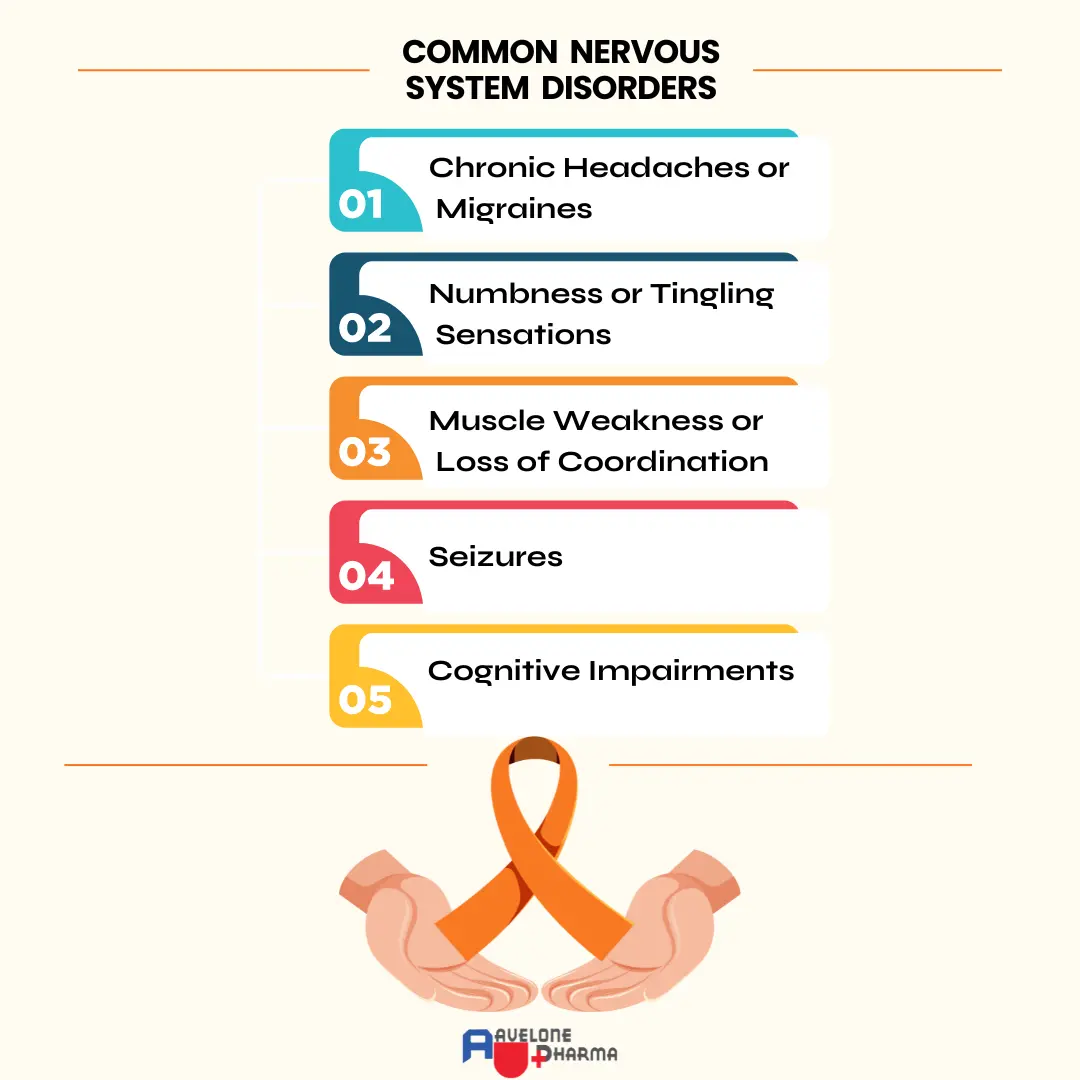
- Chronic Headaches or Migraines
- Numbness or Tingling Sensations
- Muscle Weakness or Loss of Coordination
- Seizures
- Cognitive Impairments
Chronic Headaches or Migraines
Persistent headaches can indicate issues such as tension, migraines, or even neurological problems like a tumor.
Numbness or Tingling Sensations
These symptoms, mainly if they occur in the hands or feet, may be a sign of neuropathy or other nerve-related issues.
Muscle Weakness or Loss of Coordination
Difficulty moving or maintaining balance can signal conditions like multiple sclerosis or Parkinson’s disease.
Seizures
Sudden, uncontrollable movements or periods of confusion may be indicative of epilepsy or other severe neurological conditions.
Cognitive Impairments
Memory loss, confusion, or difficulty concentrating can be early signs of Alzheimer’s disease or other neurodegenerative disorders.
Risk Factors for Nervous System Health Issues
Several factors can increase the risk of developing nervous system health issues:
- Genetics: A family history of neurological conditions can increase the likelihood of developing similar issues.
- Chronic Diseases: Conditions like diabetes or hypertension can damage nerves over time, leading to neuropathy or stroke.
- Infections and Autoimmune Diseases: Infections like meningitis or autoimmune conditions like lupus can attack the nervous system, causing various neurological symptoms.
- Lifestyle Factors: Poor diet, lack of exercise, smoking, and excessive alcohol consumption can negatively impact nervous system health.
- Age: The risk of neurodegenerative diseases like Alzheimer’s or Parkinson’s increases with age.
Diagnosis and Treatment of Nervous System Health Issues
Early diagnosis is critical to managing nervous system health issues effectively. Standard diagnostic tools and tests include:
- Neurological Exams: Physical exams to test reflexes, muscle strength, and coordination.
- Imaging Tests: MRI and CT scans provide detailed brain and spinal cord images, helping identify abnormalities.
- Electrodiagnostic Tests: Electromyography (EMG) and nerve conduction studies can detect nerve damage.
- Blood Tests rule out infections, inflammatory conditions, or vitamin deficiencies that could affect nerve function.
Source:
https://www.hopkinsmedicine.org/health/conditions-and-diseases/neurological-exam
Nervous System Health in Kids
The nervous system plays a critical role in a child’s overall development, controlling everything from movement and reflexes to emotional regulation and cognitive function. Just like adults, children can experience nervous system health issues that may affect their physical, emotional, and mental well-being. Understanding how the nervous system functions in kids and recognizing signs of potential problems is essential for ensuring they grow and develop healthily.
Signs of Nervous System Health Issues in Kids
While some nervous system issues in children are apparent, others manifest more subtly. Parents and caregivers should watch for the following signs that could indicate nervous system-related problems:
- Developmental Delays: If a child is not meeting developmental milestones such as walking, talking, or fine motor skills, this could be an indicator of nervous system health issues.
- Coordination Problems: Difficulty with balance, clumsiness, or trouble with tasks like buttoning clothes or writing could suggest issues with the nervous system.
- Seizures or Unexplained Spells: Any sudden or repeated episodes of staring, twitching, or unresponsiveness should be evaluated for potential neurological conditions such as epilepsy.
- Behavioral Changes: Sudden or unexplained changes in behavior, mood swings, or difficulties with emotional regulation can be linked to nervous system health, particularly conditions like ADHD or anxiety disorders.
- Frequent Headaches: While common, recurring or severe headaches in children may require further investigation for potential nervous system issues.
Nervous System Function
The nervous system is one of the most complex and essential systems in the human body. It coordinates and controls many activities, including movement, thought processes, sensations, and vital organ functions. The nervous system enables communication between different body parts and ensures we can respond to internal and external stimuli efficiently.
Conclusion
The nervous system is fundamental to our overall health, governing everything from simple reflexes to complex emotional responses. It plays a crucial role in maintaining homeostasis, supporting cognitive function, regulating emotions, and allowing us to move and respond to stimuli. Whether considering nervous system health in children, recognizing common symptoms of nervous system disorders, or understanding how neurotransmitters influence our mood and behavior, it’s clear that this intricate system is essential for both physical and mental well-being.
Maintaining a healthy nervous system requires a balanced approach that includes a nutrient-rich diet, regular physical activity, adequate sleep, and effective stress management. Early recognition of nervous system health issues can lead to prompt intervention and better outcomes, ensuring that disruptions to this vital system don’t negatively impact one’s quality of life.
By understanding the importance of the nervous system and taking proactive steps to support its function, individuals can promote long-term health and prevent potential disorders that may arise from nervous system imbalances.
Frequently Asked Questions (FAQs)
-
What are common signs of nervous system health issues?
Common signs of nervous system problems include chronic fatigue, persistent headaches, muscle weakness, difficulty concentrating, memory issues, and mood changes like anxiety or depression. Recognizing these symptoms early can help in seeking timely medical intervention.
-
How can I maintain a healthy nervous system?
Maintaining a healthy nervous system involves a balanced diet of omega-3s, regular physical exercise, adequate sleep, and effective stress management techniques like meditation or yoga. Avoiding harmful substances such as alcohol and smoking also supports nervous system health.
-
How does the nervous system affect mental well-being?
The nervous system regulates neurotransmitters influencing mood, emotions, and stress responses. A well-functioning jumpy system promotes mental clarity, emotional balance, and resilience to stress, while dysfunctions can lead to mental health issues such as anxiety or depression.
