

9 things Ashwagandha does to your body!
July 15, 2022
Sleep Hygiene: The Foundation of Immunity and Recovery
July 25, 2022
Have you ever wondered how much time you spend on social media and what effect it might have on your mental health? Social media platforms have become integral to our daily lives, influencing how we connect, share, and view the world. But as our screen time increases, so does the conversation surrounding the impact of social media on mental health. With studies linking social media use to mental health issues like anxiety, depression, and loneliness, it’s essential to understand the underlying effects.
As a healthcare professional, I’ve seen a growing number of patients, particularly younger individuals, express concerns about how social media affects their self-esteem, relationships, and overall well-being. The research supporting this connection is vast, with compelling data revealing both social media usage’s positive and negative aspects.
This article will explore the multifaceted nature of social media’s impact on mental health, focusing on objective research and statistics and how it affects relationships, self-esteem, and students. Next, we will discuss how to prevent social media depression and practical strategies for maintaining a healthy relationship with these platforms.
The Impact of Social Media on Mental Health?
The rapid rise of social media platforms has drastically changed the way we communicate and interact with the world. While these platforms have created new opportunities for connection, they have also led to new mental health challenges. From depression to anxiety, social media use is linked to both positive and negative outcomes, depending on how it’s used.
Research shows that excessive use of social media is associated with increased feelings of loneliness and depression, especially when individuals engage in passive scrolling or compare themselves to others. On the other hand, using social media mindfully—such as staying connected with loved ones—can provide support and reduce feelings of isolation.
Next, we will explore the impact of social media on mental health research and what studies reveal about these mental health concerns.
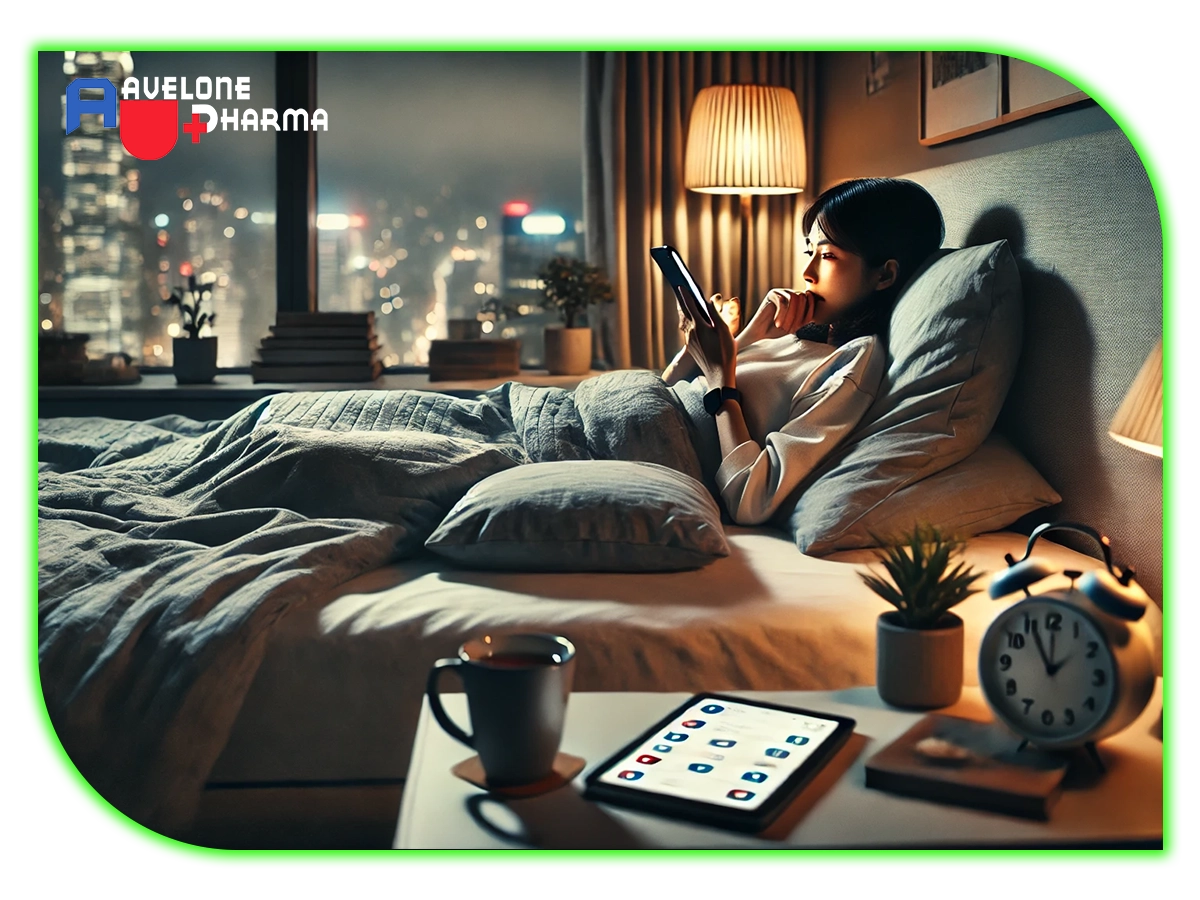
How social media affects mental health research
Numerous studies have been conducted to explore the relationship between social media use and mental health. While social media platforms offer many benefits—such as providing a space for self-expression, connecting with others, and spreading awareness—they also have a dark side that can negatively impact mental well-being. Here’s a look at key findings from research on the impact of social media on mental health. Key Findings from Mental Health Research are:
- Increased Risk of Depression and Anxiety
- Impact on Self-Esteem and Body Image
- Sleep Disturbances and Mental Health
- Cyberbullying and Its Psychological Effects
Sources:
The Impact of Social Media on Mental Health Statistics
Statistics about the impact of social media on mental health provide a clear picture of its widespread influence. A survey conducted by Common Sense Media found that 70% of teens reported feeling anxious, depressed, or stressed due to social media. Additionally, 43% of young adults admitted to comparing themselves to others online, often leading to feelings of inadequacy.
Further, studies from The Royal Society for Public Health ranked Instagram as the worst social media platform for mental health, particularly affecting young women’s body image and self-esteem.
Source: Common Sense Media
In the next section, we will address the impact of social media on mental health and relationships.
The Impact of Social Media on Mental Health and Relationships
Social media has transformed how we build and maintain relationships, but this shift has come with consequences. Research shows that while social media allows for constant communication, it can also lead to misunderstandings, jealousy, and a fear of missing out (FOMO), which can strain relationships.
Excessive social media use can lead to neglect of in-person interactions, increasing feelings of loneliness and disconnection. Studies suggest that social media can exacerbate feelings of insecurity or mistrust, particularly regarding online behavior, for couples.
Next, we will discuss how social media affects the mental health of kids.
The Impact of Social Media on Mental Health for Kids
The influence of social media on children’s mental health is particularly concerning. Many kids and teens face online bullying, peer pressure, and unrealistic beauty standards, which can negatively impact their self-esteem and emotional well-being.
In a study published by JAMA Pediatrics, children who spent more than three hours per day on social media were at a higher risk of developing mental health disorders, including depression and anxiety. Constantly exposing filtered lives and success stories can lead to feelings of inadequacy and lower self-worth.
Next, we’ll explore the effect of social media on students and their mental health.
Impact of Social Media on the Mental Health of Students
Students are particularly vulnerable to social media’s negative impacts. Excessive screen time, cyberbullying, and unrealistic comparisons often affect their focus, academic performance, and mental well-being. According to research by the American Psychological Association, college students who spend more time on social media report higher levels of stress and lower academic achievement.
Additionally, social media can disrupt sleep patterns, leading to fatigue, irritability, and even long-term mental health issues. In the next section, we will address the impact of social media on self-esteem.
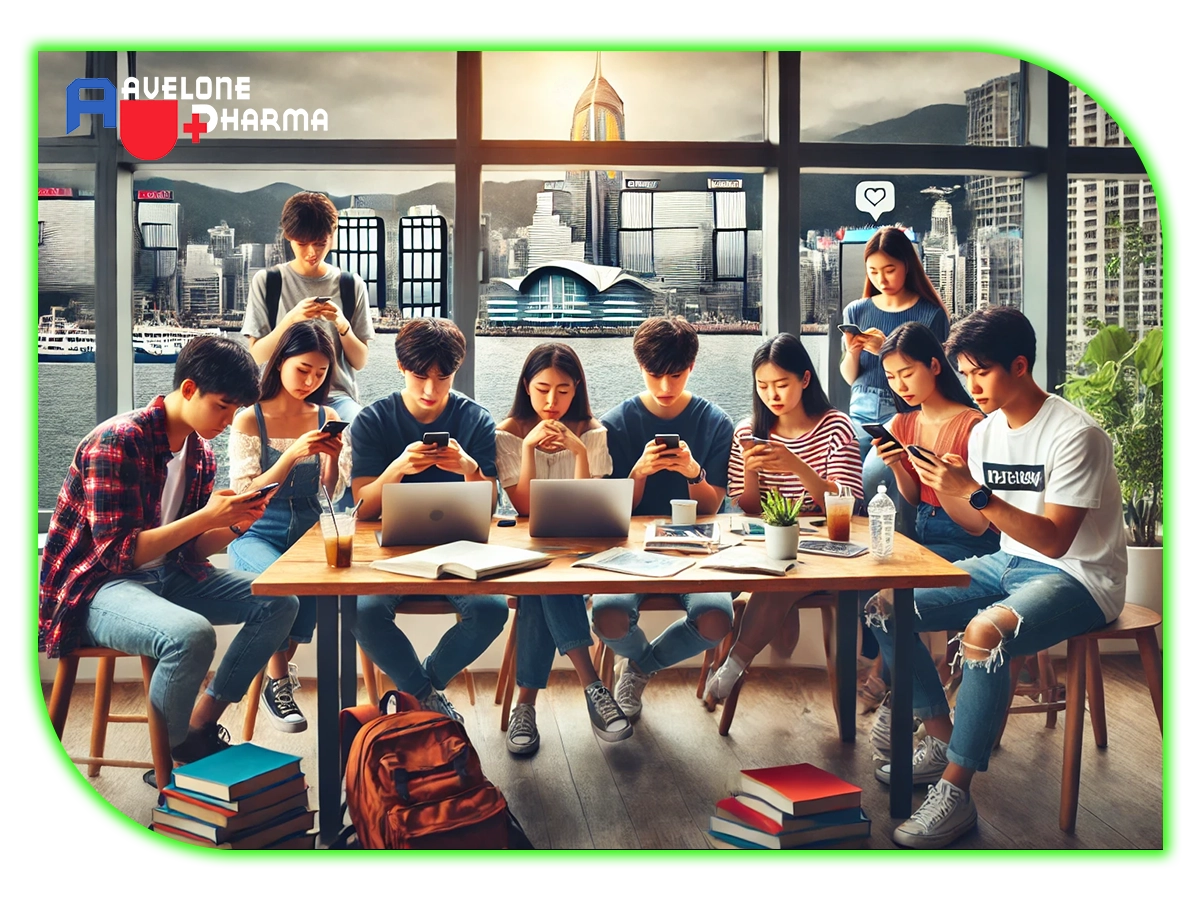
The Impact of Social Media on Mental Health and Self-Esteem
Social media platforms are known to create a space where users compare their lives to the seemingly perfect lives of others. This can result in negative self-perception, low self-esteem, and even body dysmorphia, especially among teenagers and young adults.
According to a Royal Society for Public Health survey, 63% of users reported that Instagram and Snapchat contributed to their negative body image. Constant exposure to edited photos and idealized representations of beauty can significantly harm an individual’s self-esteem.
Source: Royal Society for Public Health
What is Social Media Anxiety Disorder?
Adverse effects of social media on mental health? Social Media Anxiety Disorder refers to the anxiety and stress that stem from excessive use of social media. While it’s not yet officially classified in diagnostic manuals like the DSM-5, it shares similarities with other anxiety disorders and is considered a rising mental health concern. Social media platforms can create feelings of inadequacy, fear of missing out (FOMO), and social comparison, all of which contribute to heightened anxiety.
Learn more: The best Stress Management Techniques for Athletes
Signs and Symptoms
Some of the most common signs of Social Media Anxiety Disorder include:
- Constant Need to Check Social Media: Feeling anxious or uncomfortable when unable to check updates or notifications.
- Fear of Missing Out (FOMO): A pervasive worry that others are having more fun or leading a better life, often leading to compulsive checking of social media feeds.
- Comparison and Low Self-Esteem: Regularly comparing your life, appearance, or achievements to others online can lead to feelings of inadequacy or insecurity.
- Sleep Disturbances: Excessive use of social media, especially before bed, can disrupt sleep patterns and lead to anxiety and fatigue.
- Withdrawal from In-Person Interactions: Spending more time online and less time engaging in real-world social activities may lead to isolation and loneliness.
How to Prevent Social Media Depression
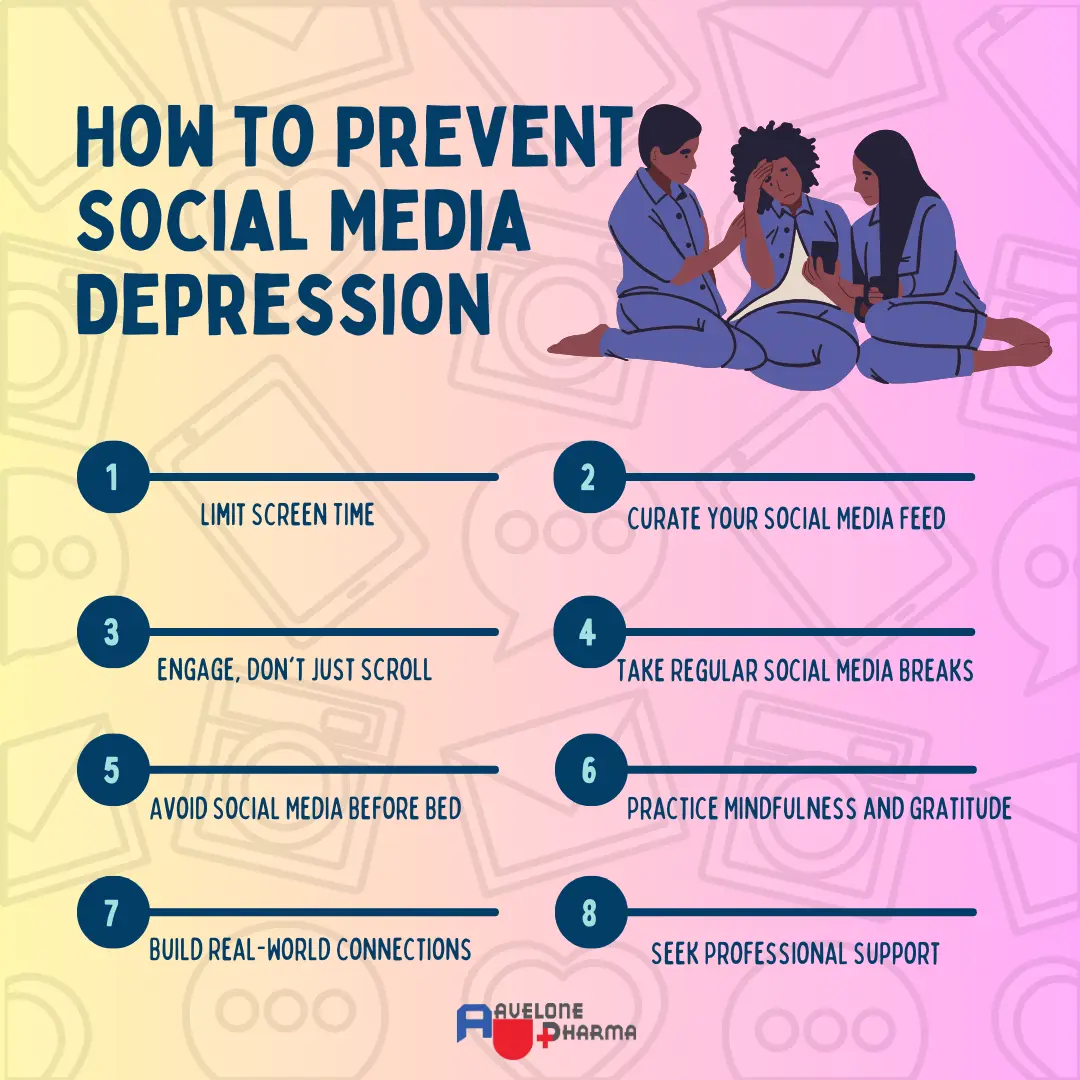
As social media continues to play a significant role in our daily lives, it’s becoming increasingly clear that it can have both positive and negative effects on mental health. One of the most concerning outcomes of excessive social media use is social media depression. This condition results from feelings of inadequacy, isolation, and anxiety triggered by constant online interactions. However, the good news is that there are steps you can take to prevent social media depression and foster a healthier relationship with these platforms.
Here are practical strategies to help prevent social media depression:
- Limit Screen Time
- Curate Your Social Media Feed
- Engage, Don’t Just Scroll
- Take Regular Social Media Breaks
- Avoid Social Media Before Bed
- Practice Mindfulness and Gratitude
- Build Real-World Connections
- Seek Professional Support
Limit Screen Time
One of the most effective ways to prevent social media depression is to limit the amount of time spent on social platforms. Research has shown that spending too much time on social media—especially engaging in passive activities like scrolling through feeds—can lead to feelings of depression and anxiety. Set a daily time limit for social media use, and use app tools or settings on your phone to monitor your screen time.
Tip: Aim for less than 30 minutes of social media use daily to minimize the adverse mental health effects.
Source: University of Pennsylvania Research on Social Media
Curate Your Social Media Feed
Your social media feed dramatically affects your feelings about yourself and your life. Follow accounts that inspire, educate, and uplift you while unfollowing or muting accounts that trigger negative emotions or cause you to make harmful comparisons. Surrounding yourself with content that promotes positivity and mental well-being is essential.
Tip: Diversify your feed by following mental health advocates, support communities, and approving content creators.
Engage, Don’t Just Scroll
Passive use of social media—mindlessly scrolling through posts without engaging—has increased feelings of loneliness and dissatisfaction. To combat this, aim to interact meaningfully when you use social media. Leave supportive comments, engage in discussions, and connect with people rather than passively consuming content. Positive interactions help boost feelings of connection and reduce the emotional distance that social media can create.
Tip: Turn social media into a tool for meaningful connections rather than a platform for comparison.
Take Regular Social Media Breaks
Digital detoxes are a great way to reset your mind and prevent social media from negatively impacting your mental health. Taking a break from social media—even if it’s just for a day or two—allows you to reconnect with yourself and reduce the constant stimulation that comes with online engagement. These breaks also allow you to reflect on how social media makes you feel and evaluate how to use it more mindfully.
Tip: Schedule social media-free weekends or use “do not disturb” modes during critical parts of your day.
Avoid Social Media Before Bed
Social media use, particularly before bedtime, can negatively impact sleep quality, affecting your mental health. The blue light emitted from screens disrupts melatonin production, making it harder to fall asleep, while stimulating content can keep your mind active when it needs to wind down. Poor sleep is closely linked to higher rates of depression and anxiety.
Tip: Set a “digital curfew” and avoid social media at least 1-2 hours before sleeping.
Learn more : The Importance of Sleep for Athletes
Practice Mindfulness and Gratitude
Mindfulness practices such as meditation or deep breathing can help reduce stress and anxiety, particularly when it comes to social media use. Practicing gratitude—focusing on the positive aspects of your life rather than what you lack—can help shift your mindset from comparison to contentment. Mindfulness and gratitude practices help create a buffer against the adverse effects of social media.
Tip: Try starting or ending your day by writing down three things you’re grateful for or spending five minutes in mindful meditation.
Build Real-World Connections
Social media often creates the illusion of connection, but nothing replaces the value of face-to-face interactions. Invest in real-life relationships with family and friends outside social media. Building these connections helps reduce feelings of loneliness and isolation often linked to excessive social media use.
Balance your online presence with real-world experiences to maintain healthy, meaningful relationships.
Seek Professional Support
If you find that social media is severely affecting your mental health, it’s essential to seek professional help. Talking to a therapist can help you develop strategies for managing social media use and addressing any underlying issues that may contribute to social media depression. Cognitive behavioral therapy (CBT) is a particularly effective method for managing social media-related anxiety and depression.
Tip: Reach out to a licensed therapist or counselor if social media is causing you distress.
The Positive Impact of Social Media on Mental Health
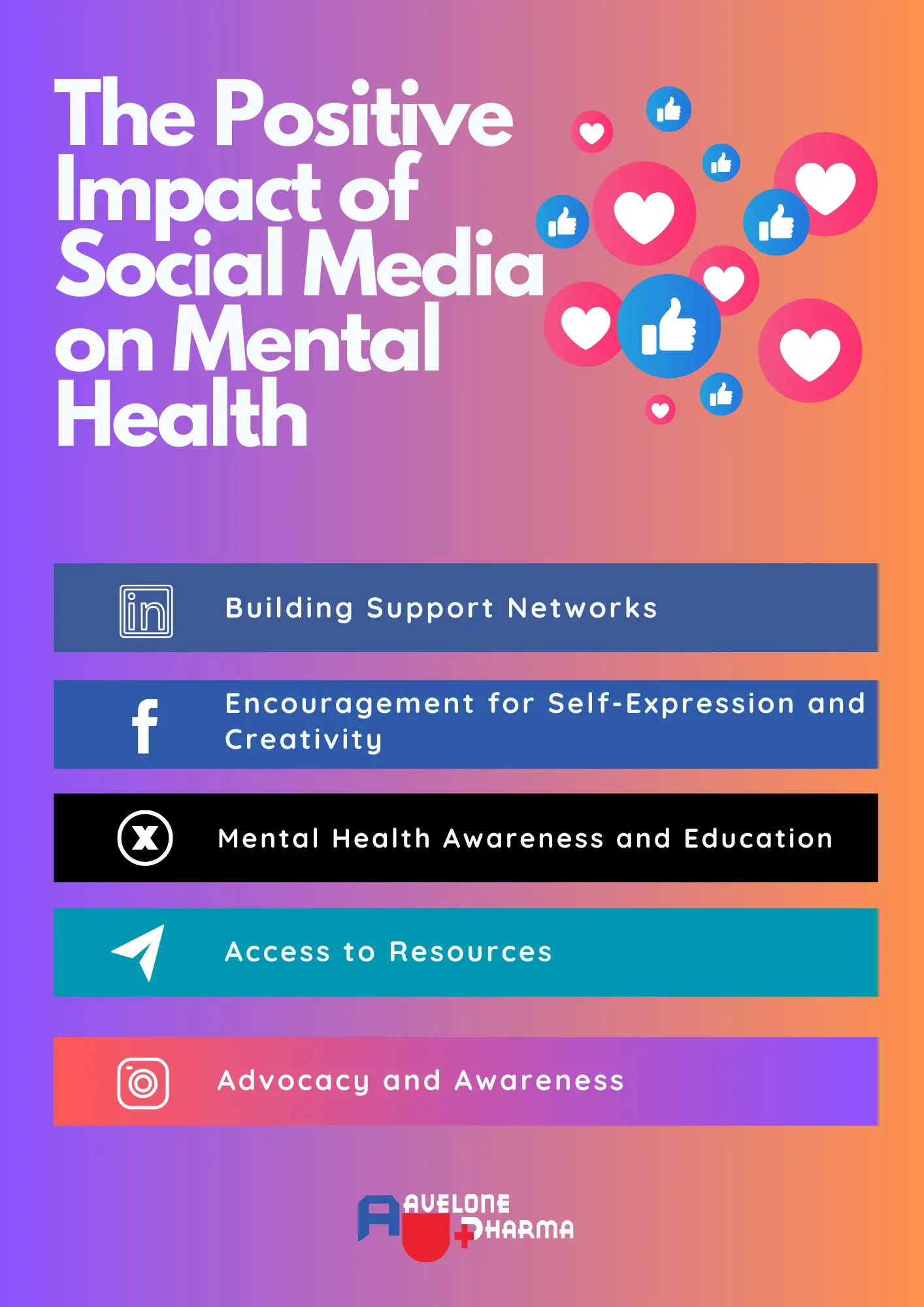
While much of the conversation around social media focuses on its negative effects, it’s important to acknowledge the positive impact of social media on mental health as well. When used mindfully, social media can be a powerful tool for fostering support, building communities, and improving mental well-being. Here’s how social media can positively influence mental health:
- Building Support Networks
- Mental Health Awareness and Education
- Encouragement for Self-Expression and Creativity
- Access to Resources
- Advocacy and Awareness
Building Support Networks
One of the most beneficial aspects of social media is its ability to connect people, especially those who may feel isolated or face difficulties in their daily lives. Online communities provide a platform where individuals can share their experiences, offer advice, and find comfort in knowing they are not alone in their struggles. For people dealing with mental health issues, chronic illnesses, or life challenges, this sense of belonging and validation can be incredibly uplifting.
For instance, platforms like Facebook and Reddit host support groups where individuals can discuss their struggles with anxiety, depression, or other mental health concerns. These groups create safe spaces for people to openly express their emotions, seek advice, and receive encouragement from others who understand their situation.
Mental Health Awareness and Education
Social media has become a vital tool for spreading awareness about mental health issues. Through campaigns, hashtags, and educational content, people are more informed than ever about mental health conditions, coping mechanisms, and available treatments. Platforms like Instagram, Twitter, and YouTube allow mental health advocates, organizations, and professionals to share valuable information, reduce stigma, and encourage individuals to seek help.
For example, initiatives like #MentalHealthAwareness or #BellLetsTalk have gained global attention, promoting conversations about mental health and encouraging people to break the silence surrounding mental illness. This widespread dissemination of information helps educate the public and creates a more supportive environment for those seeking help.
Encouragement for Self-Expression and Creativity
Social media can be a creative outlet for self-expression, which can positively impact mental health. Whether through blogging, photography, art, or writing, many users find comfort in expressing their thoughts and emotions online. Platforms like Instagram, TikTok, and Pinterest allow people to share their creative endeavors, often receiving positive feedback and building communities around shared interests.
Self-expression through social media can be therapeutic, especially for individuals who struggle to communicate their feelings in traditional settings. It provides a space for reflection, personal growth, and the exploration of new hobbies, which are important components of emotional well-being.
Access to Resources
Platforms like YouTube, Instagram, and Facebook have become hubs for educational content. Users can access information on mental health topics such as coping mechanisms for anxiety, self-care strategies, and mindfulness exercises. This democratization of knowledge empowers individuals to seek help and understand their mental health.
Advocacy and Awareness
Social media has been instrumental in reducing the stigma surrounding mental health. Campaigns like #MentalHealthAwareness and #EndTheStigma encourage open conversations and help people recognize that they are not alone in their struggles.
Conclusion
The relationship between social media and mental health is complex, with both positive and negative aspects depending on how these platforms are used. While social media can foster connections, provide support, and raise awareness about mental health issues, excessive or mindless use can contribute to feelings of depression, anxiety, and inadequacy, mainly when users engage in constant comparisons or experience cyberbullying.
To prevent social media depression and other mental health challenges, it’s essential to develop mindful and intentional digital habits. You can create a healthier balance with social media by setting boundaries around screen time, curating your feed to promote positivity, taking regular breaks, and prioritizing real-world connections. In addition, seeking professional help when necessary can provide further support in managing the mental health impacts of social media.
Ultimately, the key lies in using social media as a tool for connection and growth rather than allowing it to control or negatively influence your self-esteem and mental well-being. By adopting a conscious approach to social media use, you can harness its benefits while protecting your mental health.
Frequently Asked Questions (FAQs)
Is social media use linked to depression?
Yes, studies show that excessive social media use, particularly when it leads to social comparison or exposure to harmful content, can contribute to depressive symptoms. However, the relationship is complex and varies from person to person.
Can social media improve mental health?
When used mindfully, social media can offer support networks, access to resources, and educational content that promotes mental well-being. The key is to balance online engagement with offline activities.
What are the signs that social media is negatively affecting my mental health?
Some red flags include feeling anxious or stressed after using social media, constantly comparing yourself to others, disrupted sleep patterns, and disconnected from real-life interactions.
How can I reduce social media’s adverse effects on my mental health?
Start by limiting screen time, curating your feed, taking regular breaks, and engaging mindfully with content. Consider professional support to help you develop healthier social media habits if necessary.
Is cyberbullying standard on social media?
Unfortunately, cyberbullying is a widespread issue, particularly among adolescents and young adults. If you experience cyberbullying, it’s crucial to report the behavior to the platform and seek support from trusted individuals or professionals.
