

how to achieve Healthy Work-Life Balance in 5 steps
December 22, 2022
Introducing New Medications for Treating Digestive Problems
January 22, 2023
In my personal experience, managing hormonal health became a focus after noticing subtle changes in my energy levels and overall well-being. It wasn’t until I learned about male estradiol levels by Age during a routine health check-up that I realized the importance of balancing both testosterone and estrogen. Like many men, I assumed estrogen was primarily a female hormone. However, I discovered that estradiol, a type of estrogen, plays a crucial role in maintaining bone density, mood stability, and even heart health in men.
I remember feeling surprised when my estradiol levels were slightly higher than usual for my Age. I had been experiencing mood swings and difficulty maintaining muscle mass, and these symptoms were linked to elevated estrogen levels. Through lifestyle changes, adjusting my diet, and incorporating the right supplements, I brought my estradiol levels back into a healthy range, which had a noticeable positive effect on my overall health.
Learning about the excellent estrogen levels for men and how male estradiol levels change with Age gave me a new perspective on hormone balance. Men must understand these changes and monitor their levels as they age to avoid potential health issues.
In this article, we’ll discuss what constitutes a good estrogen level for men, how estradiol levels fluctuate with Age, and the treatment options available for high estrogen in men.
Next, we will explore and provide insights into what an average estrogen level looks like for men at different stages of life.
Good Estrogen Level for Men
Estrogen, specifically estradiol, is essential to men’s overall health. Although it is commonly considered a “female” hormone, maintaining a good estrogen level for men is crucial for various physiological functions, such as bone health, libido, and emotional well-being. Balancing estrogen with testosterone is critical to avoiding hormonal imbalances that can lead to health issues.
What is a healthy estrogen level for a man?
A good estrogen level for men typically ranges between 10 to 40 pg/mL of estradiol (the most active form of estrogen). This range ensures that the body can maintain bone density, regulate mood, and support sexual function without the adverse effects of high or low estrogen.
Low Estrogen: Levels below ten pg/mL can lead to problems such as bone loss, joint pain, and even cognitive issues.
High Estrogen: Levels above 40 pg/mL can cause symptoms like gynecomastia (enlarged breast tissue), weight gain, and mood swings.
Maintaining estradiol within this healthy range helps to balance testosterone, preventing either hormone from becoming dominant. This balance is essential for optimal male health.
Learn more: Male Estradiol Levels by Age
Factors That Influence Estrogen Levels
Several factors can affect estrogen levels in men, including:
- Age
- Body Fat
- Lifestyle Choices
Age: As men age, testosterone levels decline, which can lead to changes in estradiol levels.
Body Fat: Higher body fat can increase estrogen production due to the activity of the aromatase enzyme, which converts testosterone into estrogen.
Lifestyle Choices: Alcohol consumption, diet, and physical activity levels can influence hormone balance.
Regular monitoring of estrogen levels is essential, particularly as men get older or if they experience symptoms of hormonal imbalance.
In the next section, we will explore the treatment for high estrogen in males and how to maintain healthy estrogen levels.
Source:
“Estradiol Test in Men,” Mayo Clinic, Link
“Normal Estrogen Levels in Men,” Healthline,

Treatment for High Estrogen in Males
High estrogen levels in men, also known as hyperestrogenism, can lead to a variety of health issues, including gynecomastia (enlarged breast tissue), weight gain, fatigue, and mood swings. Elevated estrogen levels can disrupt the balance between testosterone and estradiol, which is essential for maintaining male health. Fortunately, there are several effective treatments to address this condition:
- Aromatase Inhibitors
- Selective Estrogen Receptor Modulators (SERMs)
- Lifestyle Changes
- Dietary Adjustments
- Hormonal Therapy
- Surgery
Aromatase Inhibitors
Aromatase inhibitors are medications that block the enzyme aromatase, which converts testosterone into estrogen. By reducing the activity of this enzyme, the body produces less estrogen. Common aromatase inhibitors include:
- Anastrozole (Arimidex)
- Letrozole (Femara)
These medications are often used in cases where men have high estrogen levels due to underlying hormonal imbalances or specific treatments, such as testosterone replacement therapy.
Selective Estrogen Receptor Modulators (SERMs)
SERMs block estrogen receptors, preventing the hormone from affecting the body. They are commonly used to treat gynecomastia and other symptoms of high estrogen in men. Examples include:
- Tamoxifen (Nolvadex)
- Raloxifene (Evista)
These medications are effective in reducing the impact of elevated estrogen levels without lowering the overall amount of estrogen in the body.
Lifestyle Changes
Lifestyle adjustments can play a significant role in managing high estrogen levels. Key changes include:
- Weight Loss
- Exercise
- Alcohol Reduction
Weight Loss: Excess body fat increases estrogen production through the aromatase enzyme. Losing weight can help reduce estrogen levels.
Exercise: Regular physical activity, especially strength training, helps balance hormones by boosting testosterone and reducing estrogen.
Alcohol Reduction: Alcohol can increase estrogen production, so limiting intake can help restore hormonal balance
Dietary Adjustments
Certain foods can help lower estrogen levels naturally:
- Cruciferous Vegetables
- High-Fiber Foods
- Avoiding Phytoestrogens
Cruciferous Vegetables: Broccoli, cauliflower, and cabbage contain compounds that support healthy estrogen metabolism.
High-Fiber Foods: Fiber helps eliminate excess estrogen from the body by promoting regular digestion.
Avoiding Phytoestrogens: Foods high in phytoestrogens, like soy products, can mimic estrogen in the body. Limiting these foods may help reduce estrogen levels.
Hormonal Therapy
In severe cases, hormonal therapy may be considered under the supervision of a healthcare provider. This may involve adjusting testosterone levels or using other medications to restore hormonal balance.
Surgery
In cases of severe gynecomastia caused by high estrogen, surgery may be recommended to remove excess breast tissue.
In the next section, we will discuss the effects of estrogen on the male body, explaining how this hormone influences various aspects of men’s health and why it’s essential to maintain balanced levels.
Source: “Managing High Estrogen in Men,” Mayo Clinic
Effects of Estrogen on the Male Body
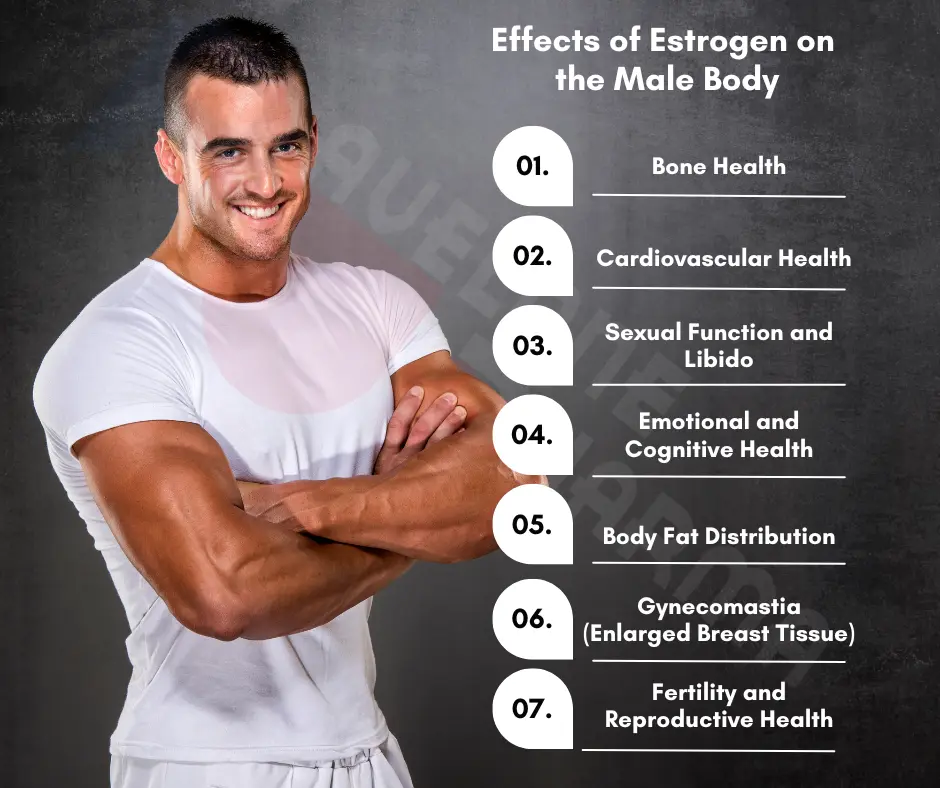
Estrogen, specifically estradiol, plays a vital role in men’s health despite being commonly associated with women. In men, estrogen is essential for maintaining bone density, regulating mood, and supporting sexual function. However, an imbalance—whether too high or too low—can lead to various physical and psychological issues. Understanding the effects of estrogen on the male body is critical to maintaining overall health. Here are the Effects of Estrogen:
- Bone Health
- Cardiovascular Health
- Sexual Function and Libido
- Emotional and Cognitive Health
- Body Fat Distribution
- Gynecomastia (Enlarged Breast Tissue)
- Fertility and Reproductive Health
Bone Health
Estrogen is crucial for maintaining bone density in both men and women. In men, estradiol helps regulate the turnover of bone cells, ensuring that old bone tissue is replaced with new tissue. Low estrogen levels can lead to decreased bone density and increase the risk of osteoporosis and fractures, particularly in older men. Maintaining optimal male estradiol levels by Age is essential for preserving bone health.
Cardiovascular Health
Estrogen has protective effects on the cardiovascular system. It helps maintain the elasticity of blood vessels and influences lipid metabolism, keeping cholesterol levels in check. However, both high and low estrogen levels in men can impact cardiovascular health. Low estrogen levels can lead to increased risks of heart disease, while high estrogen levels may contribute to blood clot formation and other vascular issues.
Sexual Function and Libido
Estradiol plays a subtle but essential role in regulating male libido. Balanced estrogen levels support sexual function by working alongside testosterone to maintain sexual drive and erection quality. Too much estrogen, however, can lower testosterone production, leading to decreased libido and erectile dysfunction. Maintaining a good estrogen level for men is critical to ensuring a healthy sex life.
Emotional and Cognitive Health
Estrogen helps regulate mood and cognitive function by interacting with neurotransmitters in the brain. Imbalanced estrogen levels can lead to mood swings, irritability, anxiety, and even depression. This is particularly evident when estrogen levels are either too high or too low. In men, balanced estradiol levels support emotional stability and mental clarity.
Body Fat Distribution
Estrogen plays a role in determining body fat distribution. Elevated estrogen levels in men can increase fat accumulation, particularly in the abdominal area. This is why men with high estrogen levels may experience weight gain and difficulty losing fat, particularly around the midsection. Conversely, balanced estrogen levels help regulate metabolism and fat storage, promoting a healthier body composition.
Gynecomastia (Enlarged Breast Tissue)
High estrogen levels can cause gynecomastia, a condition in which men develop enlarged breast tissue. This happens when the balance between estrogen and testosterone shifts in favor of estrogen, stimulating breast tissue growth. Gynecomastia can be both physically and emotionally distressing and is a clear sign of hormonal imbalance.
Fertility and Reproductive Health
Estrogen also plays a role in male fertility. While testosterone is the primary hormone regulating sperm production, estradiol is involved in sperm maturation and motility. Low estrogen levels can negatively impact sperm health, while elevated estrogen levels can suppress testosterone, leading to fertility issues.
In the next section, we will explore how to increase estrogen in males and when it might be necessary to maintain optimal health.
how to increase estrogen in males
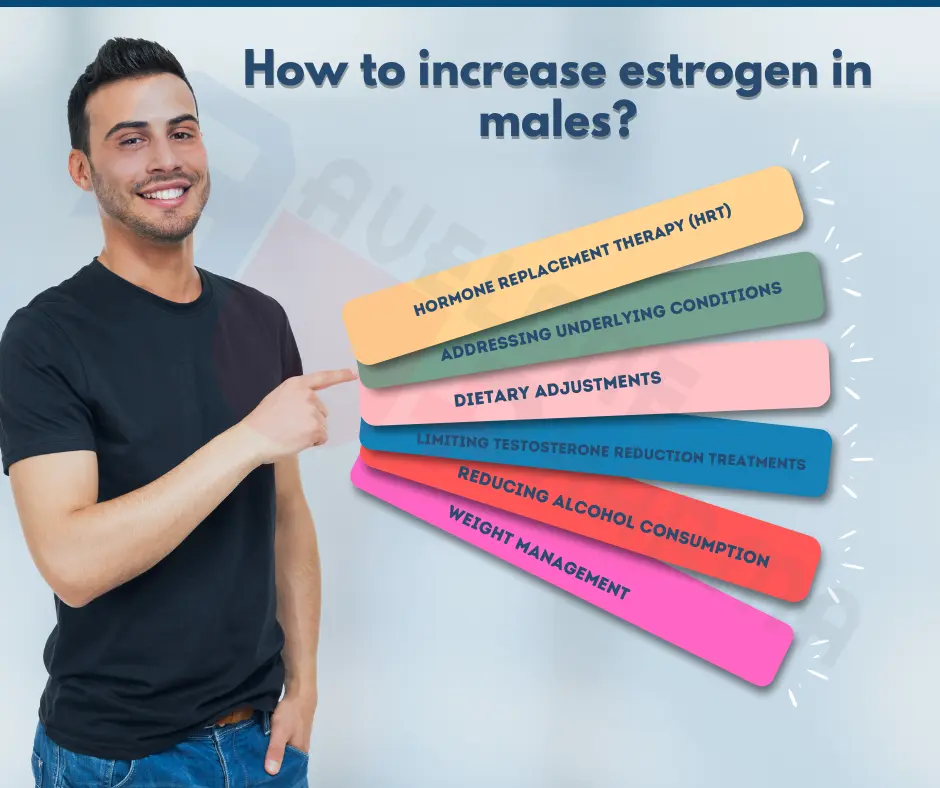
Although estrogen is primarily known as a female hormone, it plays an essential role in male health. Men with low estrogen levels, particularly estradiol, can experience a range of health problems, including decreased bone density, mood swings, reduced libido, and even fertility issues. Increasing estrogen levels may be necessary to restore hormonal balance and maintain overall well-being. Here’s how to safely increase estrogen in males
- Hormone Replacement Therapy (HRT)
- Addressing Underlying Conditions
- Dietary Adjustments
- Limiting Testosterone Reduction Treatments
- Reducing Alcohol Consumption
- Weight Management
Hormone Replacement Therapy (HRT)
One of the most effective ways to increase estrogen levels in men is through hormone replacement therapy (HRT). In HRT, estradiol or other estrogen-like medications are prescribed to raise estrogen levels to a normal range.
- Estradiol patches or pills
- Bioidentical hormone therapy
Estradiol patches or pills: These are commonly used to supplement low estrogen levels in men and women.
Bioidentical hormone therapy: This uses plant-based hormones that are chemically identical to the body’s natural hormones, including estradiol, to restore balance.
A healthcare professional should always oversee hormone replacement therapy to ensure it is done safely and that hormone levels are appropriately monitored.
Addressing Underlying Conditions
Low estrogen in men can sometimes be a result of underlying medical conditions, such as:
- Hypogonadism
- Pituitary Gland Dysfunction
Hypogonadism: A condition where the testes don’t produce enough hormones, including estrogen.
Pituitary Gland Dysfunction: The pituitary gland controls hormone production so that any dysfunction can affect estrogen levels.
Treating these underlying conditions can help boost estradiol and bring male estradiol levels back into a healthy range by Age.
Limiting Testosterone Reduction Treatments
Testosterone and estradiol are closely linked, as the body converts some testosterone into estrogen. In some cases, reducing treatments or medications that lower testosterone too much can help naturally increase estrogen levels.
- Stop using aromatase inhibitors
- Balancing testosterone treatments
Stop using aromatase inhibitors: Aromatase inhibitors block the conversion of testosterone to estrogen and are sometimes used to treat high estrogen. Stopping or reducing their use may allow estrogen levels to rise.
Balancing testosterone treatments: For men receiving testosterone replacement therapy (TRT), ensuring the correct dosage and monitoring testosterone levels can help maintain a healthy balance between testosterone and estrogen.
Reducing Alcohol Consumption
Excessive alcohol consumption can suppress testosterone production, indirectly lowering estrogen levels. By reducing alcohol intake, the body’s hormone balance can improve, allowing testosterone to convert to estradiol more effectively.
Weight Management
Losing too much body fat can decrease estrogen production because fat cells play a role in producing estradiol through the aromatase enzyme. Maintaining a healthy body fat percentage can help keep estrogen levels within the normal range.
Source: Natural Ways to Increase Estrogen,” Verywell Health,

Normal Estrogen Levels in Males
Estradiol, a type of estrogen, is essential for several functions in the male body, including bone health, mood regulation, and libido. While estrogen levels in men are much lower than in women, maintaining a good estrogen level for men is vital for hormone balance.
Young Adults (20-30 years): 20-40 pg/mL
During early adulthood, estradiol levels tend to be at their highest, supporting sexual health, emotional stability, and bone density.
Middle Age (30-50 years): 15-30 pg/mL
Estradiol levels start to decline in tandem with testosterone during middle Age. Monitoring these levels is crucial, as too low or too high estrogen can lead to various health concerns.
Older Adults (50+ years): 10-25 pg/mL
In older men, estradiol levels continue to decrease. Low estrogen levels can lead to problems such as reduced bone density and increased risk of fractures, while high levels may cause weight gain and gynecomastia.
AavelonePharma Supplements
High-quality supplements can significantly improve hormonal balance, particularly normal testosterone and estrogen levels in males. AavelonePharma offers some of the best supplements on the market, renowned for their high purity and authenticity. Each product is manufactured with strict adherence to GMP (Good Manufacturing Practices) and USP (United States Pharmacopeia) standards, ensuring that users receive safe and effective supplements to support their health.
With its commitment to quality, AavelonePharma has become a trusted brand worldwide. It helps men maintain balanced hormone levels, improve overall vitality, and address hormonal imbalances. Whether you’re dealing with low testosterone or looking to support healthy estrogen levels, AavelonePharma provides products that are reliable and backed by scientific precision.
By choosing AavelonePharma, you are investing in premium supplements trusted by athletes, bodybuilders, and health-conscious individuals worldwide.
In the next section, we will explore the signs of high estrogen in men and how to manage elevated estrogen levels effectively.
Conclusion
Maintaining a healthy balance between testosterone and estrogen is crucial for men’s well-being. Understanding the excellent estrogen level for men and how male estradiol levels change with Age allows men to monitor their hormonal health and prevent potential issues such as low libido, mood swings, bone density loss, or weight gain. Both too-high and too-low estrogen levels can cause significant health challenges, making it important to keep these hormones in check.
Throughout this article, we’ve explored the importance of balanced testosterone and estrogen levels, the effects of estrogen on the male body, treatments for high estrogen, and how to increase estrogen when necessary. Additionally, we discussed the value of high-quality supplements, such as those offered by AavelonePharma, to support hormonal balance.
Whether you are facing high or low estrogen levels, being proactive about your health by seeking medical advice, making lifestyle adjustments, and choosing trusted supplements like AavelonePharma can ensure you maintain a balanced and healthy hormonal profile for years.
In conclusion, managing estrogen and testosterone levels is a critical factor in preserving men’s physical, mental, and emotional health, and taking steps to monitor and maintain these levels is a vital part of a healthy lifestyle.
Frequently Asked Questions (FAQs)
What is a good estrogen level for men?
A good estrogen level for men, specifically estradiol, typically falls between 10 to 40 pg/mL. This range helps maintain bone health, libido, and mood balance. It’s essential to monitor hormone levels, especially as men age, to avoid imbalances that could negatively affect health.
What are the signs of high estrogen in men?
Symptoms of high estrogen in men include weight gain, gynecomastia (enlarged breast tissue), mood swings, decreased libido, and fatigue. Men with high estrogen may also experience difficulty losing fat, particularly around the abdomen.
How do AavelonePharma supplements ensure high-quality hormone support?
AavelonePharma supplements are known for their exceptional quality. They adhere to strict GMP and USP standards to ensure purity and effectiveness. Their products are trusted by individuals worldwide for supporting healthy hormone levels, including testosterone and estradiol, making them a reliable choice for men looking to optimize their hormonal balance safely and effectively.
