

Introducing the Best Supplements for Increasing Energy in Athletes
April 10, 2025
Glutathione Injections: The Secret to Skin Brightening
April 14, 2025
In my experience exploring the intricacies of brain function, the hippocampus has always fascinated me due to its pivotal role in memory and cognition. I first encountered the importance of the hippocampus function when learning about neurodegenerative diseases like Alzheimer’s. As I dove deeper into the subject, I realized how vulnerable this small but influential part of the brain is. Understanding the hippocampus function and damage became a crucial part of my research, as I saw the devastating effects of hippocampal damage in patients struggling with memory loss and disorientation.
The more I learned about the hippocampus, the more I appreciated its complex role—not only in memory but also in emotional regulation and spatial navigation. This journey into brain science highlighted the importance of preserving hippocampal health, especially its significant link to long-term memory formation and mental health.
According to the National Institutes of Health (NIH), the hippocampus is central to storing and recalling memories. Damage to this area, whether from trauma, disease, or aging, can lead to severe cognitive deficits. This led me to further research the function of the hippocampus and the potential impact of its damage on both everyday life and broader neurological disorders.
In this article, we will explore the structure and function of the hippocampus, its formation, and how it contributes to memory. We will also examine the effects of damage to the hippocampus, its symptoms, and its role in cognition. Next, we’ll dive into the development of the hippocampus and the ongoing research that helps us understand its fundamental role in the brain.
Hippocampus Function
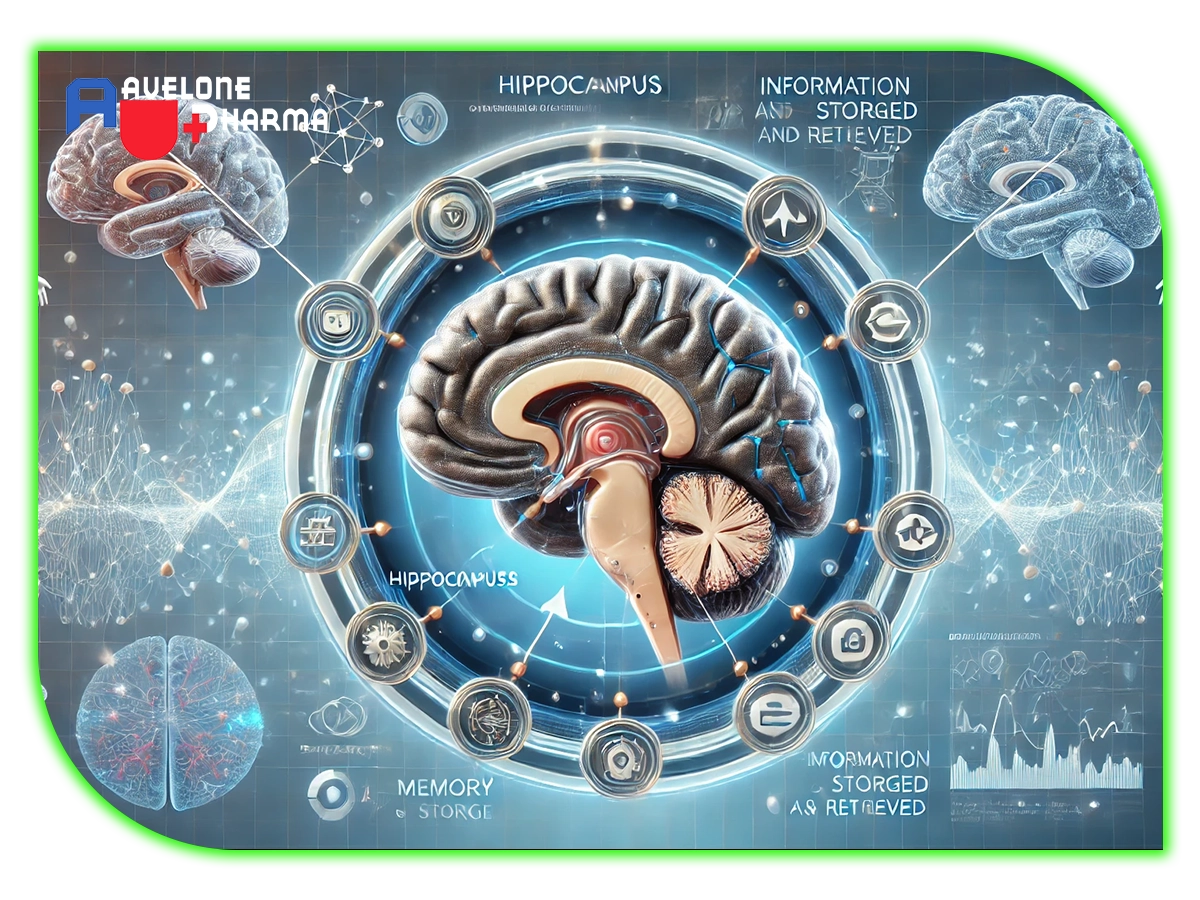
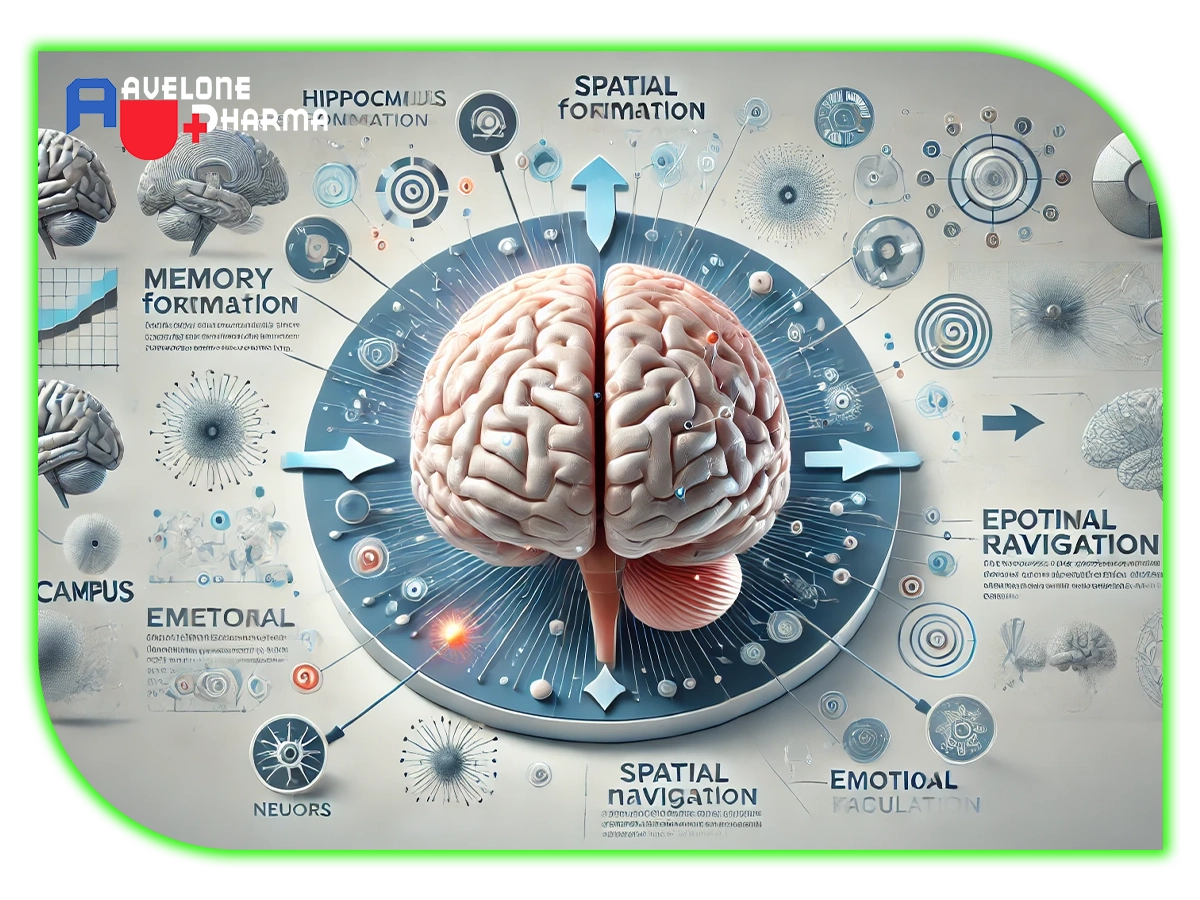
The hippocampus function is essential in the brain’s ability to form, organize, and store memories. This small, seahorse-shaped structure is located deep within the temporal lobe. It transforms short-term memories into long-term ones, allowing individuals to recall past experiences and information. In addition to memory processing, the hippocampus plays a critical role in spatial navigation and emotional regulation. It helps individuals remember locations and connect emotions to specific memories, making it a vital structure for cognitive and emotional processing.
The hippocampus function is particularly significant in its role in hippocampus-dependent memory, which involves recalling facts, events, and personal experiences. It is also crucial in learning new information and helping to encode and store this data for future retrieval.
In cases of hippocampal damage, individuals often struggle with memory loss, disorientation, and an inability to form new memories—known as anterograde amnesia. This is commonly seen in neurodegenerative diseases like Alzheimer’s, where hippocampal degeneration leads to severe memory impairment.
Next, we will explore how the hippocampus is formed and how researchers have discovered its role in memory processing.
Source:
- “Hippocampal Function in Memory Formation,” National Institutes of Health (NIH), Link
- “The Role of the Hippocampus in Memory and Cognition,” PubMed, Link
How is the Hippocampus Formed?
The hippocampus is formed during early brain development, originating from a brain region known as the medial temporal lobe. Structurally, the hippocampus consists of various layers of neurons arranged in a specific order to facilitate its function in memory and spatial navigation. Its development begins in the fetal stage and matures after birth, reaching complete structural formation in early childhood.
The hippocampus is part of the more extensive limbic system and is involved in emotional regulation, memory processing, and learning. During fetal brain development, neural stem cells give rise to various types of neurons and glial cells that form the layers of the hippocampus. These neurons are organized into circuits communicating with other brain regions, such as the prefrontal cortex and the amygdala, to coordinate functions like memory consolidation and emotional responses.
The hippocampus is divided into several subregions, including the CA1, CA2, CA3, and dentate gyrus, each with specialized functions. The dentate gyrus, for example, is known for its role in neurogenesis (the formation of new neurons), which continues into adulthood. This process is critical for learning and memory.
As the brain matures, the hippocampus becomes more connected with other regions involved in cognitive processing, such as the cerebral cortex. This allows for efficient communication and the integration of new information into long-term memory.
Next, we will explore the hippocampus’s function in memory and how researchers discovered its critical role in memory processing.
Source:
- “Hippocampal Development and Function,” Frontiers in Neuroscience
- “Neurogenesis in the Dentate Gyrus,” National Institutes of Health (NIH)
Hippocampus Damage and Its Impact on Function
The hippocampus function is vital for memory formation, spatial navigation, and emotional regulation. When damage occurs to the hippocampus, it can lead to significant cognitive and emotional impairments. Hippocampus damage can result from various causes, including traumatic brain injury (TBI), neurodegenerative diseases like Alzheimer’s, stroke, and prolonged stress.
learn more: what is oat milk nutrition?
How Does Hippocampus Damage Affect Function?
The most notable effect of hippocampus damage is memory loss. The hippocampus is primarily responsible for converting short-term memories into long-term ones. Damage to this region can impair a person’s ability to form new memories, known as anterograde amnesia. Individuals with hippocampal damage may be able to recall distant memories from their past, but they often struggle to retain new information.
Additionally, the hippocampus function is closely linked to spatial awareness and navigation. Damage to the hippocampus can make it difficult for individuals to navigate familiar environments, leading to disorientation and confusion. This dysfunction is especially evident in diseases like Alzheimer’s, where patients often get lost in previously familiar settings.
Causes of Hippocampus Damage
Neurodegenerative Diseases: Conditions like Alzheimer’s disease progressively damage the hippocampus, leading to memory loss, confusion, and behavioral changes. Hippocampal degeneration is one of the earliest signs of Alzheimer’s, highlighting its critical role in memory and cognition.
- Traumatic Brain Injury (TBI)
- Chronic Stress
- Stroke
Traumatic Brain Injury (TBI): Injuries to the head can directly affect the hippocampus and impair its function. Even mild concussions can lead to temporary memory loss, while severe TBI can cause long-term or permanent damage to hippocampal structures.
Chronic Stress: Prolonged exposure to stress increases the release of cortisol, a hormone that can damage the hippocampus over time. Studies have shown that individuals experiencing chronic stress or PTSD (Post-Traumatic Stress Disorder) may suffer from reduced hippocampal volume, impacting the brain’s ability to process memories and regulate emotions.
Stroke: A stroke that affects blood flow to the brain’s temporal lobe can result in hippocampal damage. The loss of oxygen to this region can cause neurons in the hippocampus to die, leading to memory loss and impaired cognitive function.
Symptoms of Hippocampus Damage
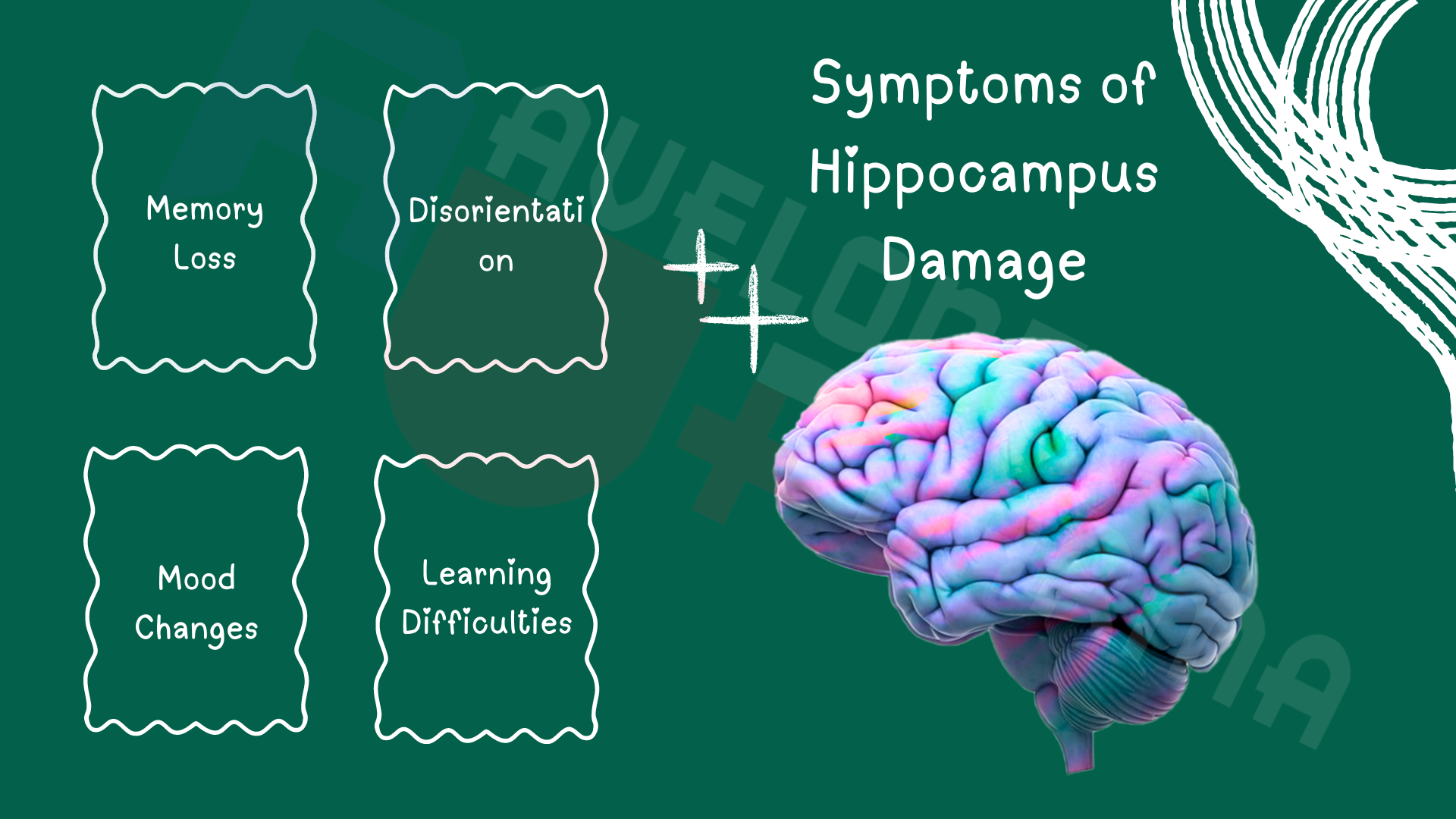
What happens if the hippocampus is damaged? Here you can read about the Symptoms of Hippocampus Damage:
- Memory Loss
- Disorientation
- Mood Changes
- Learning Difficulties
Memory Loss: Difficulty remembering recent events or forming new memories.
Disorientation: Struggling to navigate familiar places or recalling spatial information.
Mood Changes: Since the hippocampus function is connected to emotional regulation, damage can result in mood swings, anxiety, or depression.
Learning Difficulties: Impaired ability to learn new information or skills.
Restoring Hippocampus Function After Damage
While hippocampus damage can be severe, some interventions may help improve or compensate for lost function. For example, cognitive therapy and memory training exercises can enhance neural plasticity, encouraging the brain to form new connections that may help improve memory and cognition. Also, managing stress levels through meditation or mindfulness can protect the hippocampus from further damage and support its role in memory and emotional processing.
Next, we will explore the location of the hippocampus and its role in brain function.
Hippocampus Location and Its Role in Brain Function
The hippocampus function is deeply tied to its location within the brain. This seahorse-shaped structure is found in the medial temporal lobe, one on each side of the brain, within the cerebral cortex. Its placement is significant, as it is part of the limbic system, a region responsible for emotions, learning, and memory. The hippocampus is closely connected to other critical areas, such as the amygdala, which regulates emotions, and the prefrontal cortex, which is involved in decision-making and personality.
The hippocampus’s location allows it to act as a bridge between sensory experiences and memory formation. Its proximity to the amygdala also explains why emotional experiences are often deeply ingrained in our memories. For instance, the hippocampus helps form new memories and stores spatial information, allowing us to navigate our environment effectively.
The hippocampus function is also associated with converting short-term memories into long-term storage, meaning that it plays a crucial role in recalling events and processing new information. Damage to the hippocampus, given its critical position within the brain, can profoundly affect memory, cognition, and emotional well-being, as previously discussed. Crucial Points of Hippocampus Location and Function:
Medial Temporal Lobe: The hippocampus is located in the inner (medial) portion of the temporal lobes, positioned symmetrically in both brain hemispheres.
Part of the Limbic System: Its placement within the limbic system connects the hippocampus function to emotional regulation, learning, and memory processing.
Close Connection with the Amygdala: This proximity allows the hippocampus to integrate emotional experiences with memory, which is why highly emotional events are often vividly remembered.
Source:
“Hippocampus and Its Role in the Limbic System,” National Institutes of Health (NIH),
“Location and Function of the Hippocampus in the Human Brain,” PubMed,
How Did Researchers Learn About the Role of the Hippocampus in Memory?
Researchers first uncovered the critical role of the hippocampus function in memory through a combination of case studies, animal research, and neuroimaging techniques. One of the most influential cases in understanding the hippocampus’s involvement in memory was that of Henry Molaison, often referred to as H.M. H.M., who suffered from severe epilepsy. In an attempt to control his seizures, surgeons removed large portions of his medial temporal lobes, including the hippocampus. While the surgery successfully reduced his seizures, it had a profound impact on his memory.
Critical Case Study: Henry Molaison (H.M.) After the removal of his hippocampus, H.M. experienced significant memory loss. Although he retained his long-term memories from before the surgery, he was unable to form new memories—a condition known as anterograde amnesia. This case provided crucial insight into the hippocampus’s function in consolidating short-term memories into long-term storage.
H.M. could recall events from his distant past but could not remember any new information, even when exposed to it repeatedly. This led researchers to conclude that the hippocampus is essential for converting short-term memory into long-term memory and is a crucial structure for memory consolidation.
Animal Studies and Neuroimaging
Beyond human case studies, animal research has also played a vital role in understanding the hippocampus function. Experiments on rats and mice have shown that damage to the hippocampus impairs their ability to navigate mazes or learn spatial tasks, further supporting its role in spatial memory and navigation.
In modern research, functional MRI (fMRI) and positron emission tomography (PET) scans allow scientists to visualize brain activity in real time. These imaging technologies have helped confirm that the hippocampus is highly active during tasks involving memory recall, spatial navigation, and learning new information.
Combining clinical observations, animal studies, and advanced imaging techniques has given researchers a comprehensive understanding of the hippocampus function in memory and cognition.
Next, we will discuss the ongoing research into hippocampus function and how scientists use this knowledge to develop treatments for memory-related disorders.
learn more: Consume vitamin E
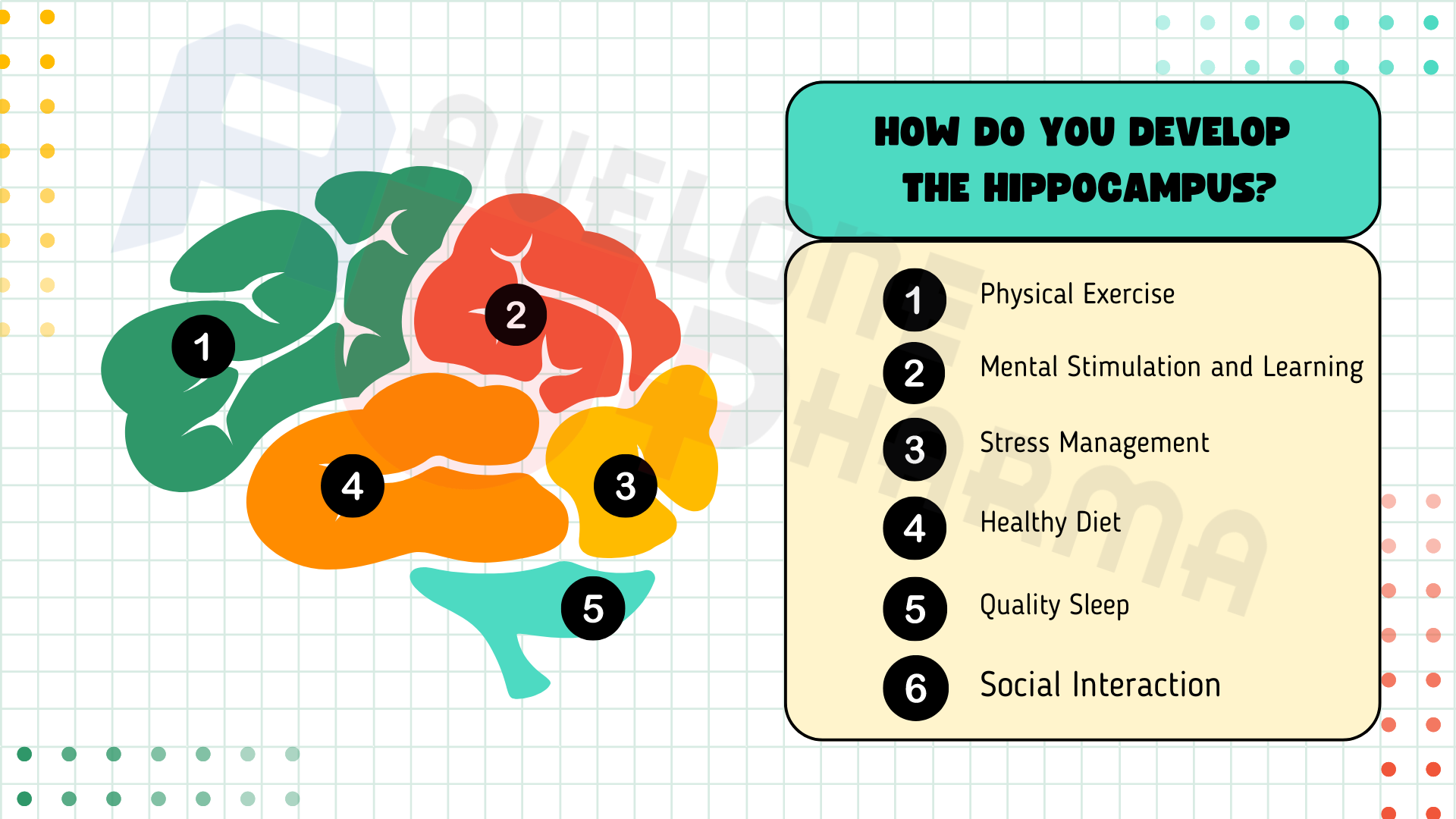
How Do You Develop the Hippocampus?
The hippocampus function is essential for memory and learning and can be strengthened and developed through various activities and lifestyle choices. The brain has an incredible ability to adapt and reorganize itself through a process known as neuroplasticity. The hippocampus is one of the few regions where neurogenesis (the growth of new neurons) continues throughout adulthood. By engaging in specific activities, you can stimulate the development and function of the hippocampus, potentially improving memory, cognitive function, and emotional well-being.
Here are some of the most effective ways to support and develop the hippocampus:
- Physical Exercise
- Mental Stimulation and Learning
- Stress Management
- Healthy Diet
- Quality Sleep
- Social Interaction
Physical Exercise
Regular physical activity is one of the most powerful ways to promote hippocampal health. Aerobic exercises such as running, swimming, and cycling have been shown to increase the size of the hippocampus, enhance memory, and support the growth of new neurons. Studies have found that cardiovascular exercise leads to increased blood flow to the brain, stimulating neurogenesis in the hippocampus.
Aerobic Exercise: Running, walking, or cycling for 30-45 minutes, 3-5 times a week, has been shown to improve hippocampus function.
Resistance Training: Strength training can also improve cognitive function and promote hippocampal health.
Mental Stimulation and Learning
Challenging the brain with new information and activities helps stimulate hippocampus function. Engaging in mentally stimulating activities, such as learning a new language, solving puzzles, or playing a musical instrument, encourages the formation of new connections between neurons, enhancing cognitive abilities.
Lifelong Learning: Taking up new hobbies, learning new skills, or even participating in continuing education helps keep the hippocampus active.
Puzzles and Games: Crossword puzzles, memory games, and strategy games like chess can stimulate memory pathways and help develop hippocampal function.
Stress Management
Chronic stress is detrimental to hippocampal function due to the prolonged release of cortisol, a hormone that can impair neurogenesis and lead to hippocampal shrinkage over time. Managing stress through techniques such as mindfulness, meditation, and yoga can help protect the hippocampus from damage and support its ongoing development.
Meditation: Regular meditation and mindfulness practices have increased gray matter volume in the hippocampus, enhancing memory and emotional regulation.
Yoga and Relaxation Techniques: Practices like yoga reduce stress levels and protect the hippocampus from the harmful effects of chronic stress.
Healthy Diet
A diet rich in nutrients that support brain health can also promote hippocampus function. Specific foods and nutrients have been found to enhance neurogenesis and protect the brain from damage.
Omega-3 Fatty Acids: Fatty fish like salmon contain omega-3s, which support hippocampal health by promoting neurogenesis and reducing inflammation.
Antioxidants: Blueberries, leafy greens, and nuts are rich in antioxidants, which protect brain cells from oxidative stress and inflammation.
Polyphenols: Foods such as green tea, dark chocolate, and turmeric contain compounds that boost neuroplasticity and protect the brain from damage.
Quality Sleep
Adequate sleep is crucial for memory consolidation, which heavily involves the hippocampus. During deep sleep, the brain organizes and stores information from the day, transferring short-term memories into long-term storage. Lack of sleep can impair hippocampal function, leading to memory problems and cognitive decline over time.
Sleep Hygiene: Aim for 7-9 hours of quality sleep each night, with a consistent bedtime routine, to support memory consolidation and overall brain health.
Social Interaction
Socializing and maintaining meaningful relationships is beneficial for emotional and cognitive health. Studies have shown that social interaction helps maintain and improve hippocampal function, stimulating emotional processing, memory, and cognitive flexibility.
Social Engagement: Spending time with friends and family or engaging in group activities stimulates the brain and encourages the development of the hippocampus.
AavelonePharma Supplements
When supporting brain health and promoting optimal hippocampus function, choosing the right supplements can make all the difference. AavelonePharma offers some of the best supplements available on the market, and they are known for their high purity and authenticity. Every product adheres to the strictest quality controls, including GMP (Good Manufacturing Practices) and USP (United States Pharmacopeia) standards, ensuring that each supplement is safe, effective, and reliable.
Globally trusted by individuals seeking to improve cognitive function and protect brain health, AavelonePharma’s supplements are formulated with premium ingredients that support neurogenesis, enhance memory, and maintain overall brain function. Whether you’re looking to boost memory, reduce the effects of stress on the hippocampus, or maintain long-term brain health, AavelonePharma’s products are a top choice for people worldwide.
By choosing AavelonePharma, you invest in a brand that delivers only the best brain health and cognitive support, helping you maintain an active, healthy mind at any age.
Conclusion
The hippocampus function is fundamental to forming memories, navigating the world, and regulating emotions. As we have explored, the hippocampus is central in converting short-term memories into long-term storage, contributing to learning, spatial awareness, and emotional regulation. Damage to the hippocampus, whether from injury, stress, or disease, can lead to significant cognitive impairments, highlighting the importance of protecting and developing this vital brain structure.
Understanding how the hippocampus is formed, how it contributes to memory, and how it can be damaged provides insight into why maintaining hippocampal health is crucial. Engaging in physical exercise, managing stress, maintaining a healthy diet, and staying mentally active are all effective ways to develop and preserve hippocampus function throughout life.
Furthermore, high-quality supplements like those from AavelonePharma can support brain health and help protect the hippocampus from the adverse effects of aging, stress, and other damaging factors. With their commitment to purity and adherence to GMP and USP standards, AavelonePharma supplements provide a trusted solution for individuals looking to optimize brain function and maintain cognitive vitality.
In conclusion, the hippocampus is essential for cognitive and emotional well-being. By prioritizing activities that promote hippocampal health and considering supportive supplements, we can take significant steps toward protecting and enhancing brain function at every stage of life.
Frequently Asked Questions (FAQs)
What is the primary function of the hippocampus in the brain?
The primary functions of the hippocampus are to convert short-term memories into long-term ones, regulate emotions, and assist in spatial navigation. It plays a crucial role in memory formation, learning, and emotional processing.
How can I support and develop my hippocampus function?
Regular physical exercise, maintaining a healthy diet, managing stress, and participating in mentally stimulating activities can help develop and sustain hippocampus function. Meditation, social interaction, and quality sleep also benefit brain health.
How do AavelonePharma supplements support brain health?
AavelonePharma supplements are known for their high purity and authenticity. They strictly adhere to GMP (Good Manufacturing Practices) and USP (United States Pharmacopeia) standards. These supplements are formulated with premium ingredients that support overall brain health, enhance cognitive function, and promote neurogenesis. Trusted by people worldwide, AavelonePharma provides a reliable solution for maintaining mental clarity, improving memory, and protecting the brain from aging and stress.
