

Focus Formulas: Alternatives to Caffeine
April 19, 2023
Testosterone and Mental Health: The Depression Link
April 22, 2023
Have you ever finished a meal and realized you barely remember eating it? In our fast-paced world, eating often becomes a mindless activity—a necessary task squeezed between work, family, and other responsibilities. But what if we could transform our eating habits into moments of mindfulness that nourish our bodies and minds? This is where the concept of mindful eating comes in. It’s more than just paying attention to what you eat; it’s about fully engaging with the eating experience.
As someone who used to rush through meals while juggling work and personal commitments, I know firsthand how easy it is to neglect healthy eating habits. I often ate at my desk, barely tasting my food as I focused on emails or meetings. This led to overeating, digestive issues, and a general lack of satisfaction with my meals.
My turning point came when I decided to explore mindful eating. I started by setting aside specific times for meals, free from distractions. Initially, it felt strange to focus solely on eating, but soon, I began to notice the flavors, textures, and even my body’s signals of hunger and fullness more clearly. This practice helped me enjoy my food more and made me more conscious of my choices—opting for healthier options that genuinely nourished me.
One memorable experience was when I applied mindful eating during a hectic workweek. Instead of grabbing fast food, I prepared a simple salad and took my time savoring each bite. I felt more energized, less stressed, and satisfied throughout the day. This shift in approach made me realize that healthy eating habits aren’t just about what you eat but also how you eat. By being mindful, I’ve maintained a balanced diet that supports my health and well-being, even during busy times.
In this article, we’ll explore the concept of mindful eating and how it can help you develop lasting healthy eating habits. We’ll discuss practical tips for different age groups, including students, kids, and adults, and delve into the benefits of mindful eating for physical and mental well-being. You’ll also find actionable steps and examples to incorporate mindfulness into daily meals. Next, we’ll look at establishing healthy eating habits for students and why starting early is crucial.
What Are Healthy Eating Habits?
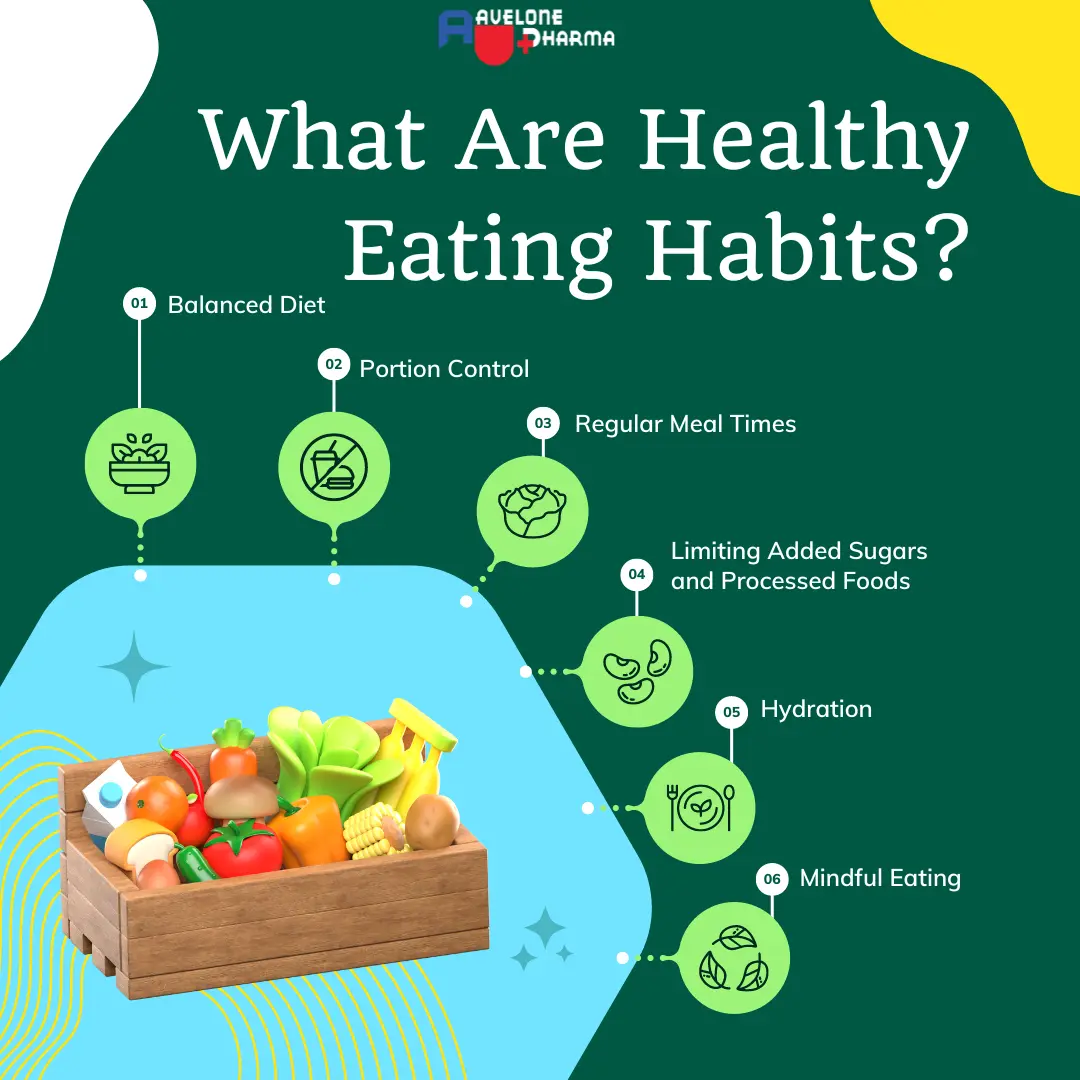
Healthy eating habits involve making informed food choices that give your body the necessary nutrients to function optimally. They include the types of foods you eat and how and when you consume them. Here are some critical components of healthy eating habits:
- Balanced Diet
- Portion Control
- Regular Meal Times
- Limiting Added Sugars and Processed Foods
- Hydration
- Mindful Eating
- Planning and Preparing Meals
Balanced Diet
A balanced diet includes a variety of foods from all the major food groups: fruits, vegetables, whole grains, proteins, and healthy fats. This ensures you get a wide range of nutrients, including vitamins, minerals, and antioxidants, essential for overall health. The Harvard T.H. Chan School of Public Health suggests filling half your plate with vegetables and fruits, a quarter with whole grains, and a quarter with healthy protein sources like fish, beans, or nuts.
Portion Control
Maintaining appropriate portion sizes helps prevent overeating and supports a healthy weight. The Centers for Disease Control and Prevention (CDC) recommends using smaller plates and being mindful of portion sizes to avoid consuming excess calories, especially when eating energy-dense foods.
Regular Meal Times
Eating at regular intervals helps regulate metabolism and prevents overeating later in the day. The American Heart Association (AHA) advises not to skip meals, especially breakfast, as it can lead to unhealthy snacking and larger meals later, which may contribute to weight gain and poor health.
Limiting Added Sugars and Processed Foods
Minimizing the intake of added sugars and highly processed foods is crucial for maintaining a healthy diet. According to the World Health Organization (WHO), high consumption of sugar-sweetened beverages and processed snacks can lead to weight gain and an increased risk of chronic diseases like type 2 diabetes and cardiovascular diseases.
Hydration
Staying hydrated is a fundamental part of healthy eating. Water is essential for various bodily functions, including digestion and nutrient absorption. The National Academies of Sciences, Engineering, and Medicine recommends an adequate daily fluid intake of about 3.7 liters for men and 2.7 liters for women from all beverages and foods.
Mindful Eating
Mindful eating involves paying full attention to the experience of eating and drinking, both inside and outside the body. It helps recognize physical hunger and satiety cues, reduce overeating, and make healthier food choices. A study published in the Journal of Obesity found that mindful eating can lead to weight loss and improved eating behaviors by promoting awareness and reducing emotional eating.
Planning and Preparing Meals
Preparing meals at home allows you to control the ingredients and portions, making adhering to healthy eating habits easier. The Cleveland Clinic suggests planning your weekly meals, using healthy recipes, and incorporating various foods to ensure nutritional balance.
Sources:
- Harvard T.H. Chan School of Public Health. “Healthy Eating Plate.” Available at: Harvard T.H. Chan School of Public Health
- · World Health Organization. “Healthy Diet.” Available at: WHO
Next, we’ll explore specific healthy eating habits for students and how mindful eating can support their growth and academic performance.
learn more: Diets for Athletes
healthy eating habits for students
Maintaining healthy eating habits is crucial for students, as it directly impacts their energy levels, cognitive function, and overall well-being. With busy schedules, academic pressures, and limited budgets, it can be challenging for students to prioritize nutrition. However, healthy eating habits can support their academic performance and long-term health. Here are some practical tips for students to develop and maintain healthy eating habits:
- Start the Day with a Nutritious Breakfast
- Plan and Prepare Meals Ahead of Time
- Choose Healthy Snacks
- Stay Hydrated
- Limit Sugary and Caffeinated Beverages
- Practice Mindful Eating
- Include a Variety of Food Groups
- Manage Stress with Healthy Food Choices
Start the Day with a Nutritious Breakfast
Breakfast is often called the most important meal of the day, and for good reason. A balanced breakfast provides the energy needed to kickstart the day and improves concentration and memory. The American Dietetic Association recommends mixing protein, whole grains, and fruits in the morning to stabilize blood sugar levels and avoid mid-morning energy crashes. Examples include oatmeal topped with fruits and nuts, whole-grain toast with avocado and eggs, or a smoothie with yogurt, spinach, and berries.
Plan and Prepare Meals Ahead of Time
Meal prepping can be a lifesaver for students with busy schedules. Preparing meals in advance ensures access to healthy options, even on the most hectic days. The Cleveland Clinic suggests setting aside time during the weekend to prepare meals and snacks for the week, such as salads in jars, pre-cooked grains, and portioned-out snacks like nuts or fruits. This helps students avoid the temptation of fast food and processed snacks.
Choose Healthy Snacks
Healthy snacking can keep energy levels stable and prevent overeating during meals. Students should opt for nutrient-dense snacks high in protein and fiber, such as Greek yogurt, hummus with veggies, or a handful of nuts. The Centers for Disease Control and Prevention (CDC) advises keeping healthy snacks on hand to combat hunger between classes and reduce the likelihood of choosing less healthy options like chips or candy.
Stay Hydrated
Proper hydration is essential for maintaining energy and focus throughout the day. Students should drink water regularly and carry a reusable water bottle to class. According to the National Academies of Sciences, Engineering, and Medicine, the recommended daily water intake is about 3.7 liters for men and 2.7 liters for women. Herbal teas or infused water with fruits can be a flavorful way to increase hydration without added sugars.
Limit Sugary and Caffeinated Beverages
While relying on sugary drinks or multiple cups of coffee to stay awake and alert is tempting, these can lead to energy crashes and disrupt sleep patterns. The World Health Organization (WHO) recommends limiting the intake of added sugars to less than 10% of total daily energy intake. Instead, students should use water, herbal teas, or low-sugar alternatives like black coffee or green tea in moderation.
Practice Mindful Eating
Mindful eating involves paying attention to what and how you eat, which can help students make healthier food choices and recognize hunger and fullness cues. A study published in the Journal of Nutrition Education and Behavior found that mindful eating practices can improve eating habits and reduce overeating among students. Students should try to eat without distractions, such as phones or laptops, and focus on the flavors and textures of their food.
Include a Variety of Food Groups
A varied diet ensures that students get all the essential nutrients for growth, development, and cognitive function. The Harvard T.H. Chan School of Public Health recommends filling half your plate with vegetables and fruits, a quarter with whole grains, and a quarter with healthy proteins like fish, beans, or poultry. This balanced approach can help maintain energy levels and support overall health.
Manage Stress with Healthy Food Choices
Stress can often lead to emotional eating or choosing comfort foods high in sugar and fat. Students can manage stress more effectively by opting for healthy comfort foods like dark chocolate, fruits, or nuts, which can help improve mood and provide necessary nutrients without excess calories. The American Psychological Association (APA) emphasizes recognizing stress-related eating patterns and replacing unhealthy habits with nutritious options.
Sources:
American Psychological Association. “Stress and Eating Habits.” Available at: APA

How to Develop Healthier Eating Habits
Developing healthier eating habits is a process that involves making conscious and sustainable changes to your diet and lifestyle. Whether you want to improve your overall health, boost your energy, or manage your weight, adopting healthier eating habits can have a significant positive impact. Here are practical steps to help you cultivate and maintain healthy eating habits:
- Start with Small, Manageable Changes
- Focus on Nutrient-Dense Foods
- Listen to Your Body
- Create a Supportive Environment
- Set Realistic Goals
- Seek Professional Guidance
Start with Small, Manageable Changes
Trying to overhaul your diet overnight can be overwhelming and unsustainable. Instead, start with small, manageable changes. For example, swap sugary snacks for fruits, replace refined grains with whole grains, or add vegetables to your meals. According to the Harvard T.H. Chan School of Public Health, making gradual changes allows your body to adapt and makes it easier to stick to healthier choices in the long run.
Focus on Nutrient-Dense Foods
Nutrient-dense foods provide many vitamins, minerals, and other beneficial nutrients relative to their calorie content. Examples include fruits, vegetables, lean proteins, whole grains, and healthy fats like avocados and nuts. The Centers for Disease Control and Prevention (CDC) recommends filling half your plate with fruits and vegetables, a quarter with whole grains, and a quarter with lean protein to ensure you get various nutrients.
Listen to Your Body
Pay attention to your body’s hunger and fullness signals. Eat when you’re hungry and stop when you’re satisfied, not overly full. This helps prevent overeating and supports a healthy relationship with food. The American Psychological Association (APA) notes that understanding your body’s cues can help reduce emotional eating and improve overall eating habits.
Create a Supportive Environment
Your environment plays a significant role in your eating habits. Keep your kitchen stocked with healthy options, and make it a habit to eat at home as much as possible. Surround yourself with supportive people who encourage healthy choices. If you live with others, communicate your goals and ask for their support in maintaining a healthy environment. The Mayo Clinic suggests that social support is critical to successfully adopting and maintaining healthy habits.
Set Realistic Goals
Setting realistic and specific goals can help you stay focused and motivated. For example, instead of setting a vague goal like “eat healthier,” try setting a more specific goal like “eat at least one serving of vegetables with every meal” or “prepare lunch at home four times a week.” The American Heart Association (AHA) recommends breaking down larger goals into smaller, actionable steps to track your progress and stay on track.
Seek Professional Guidance
Consulting a registered dietitian or nutritionist can provide personalized guidance and support if you need help figuring out where to start or have specific dietary needs. They can help you create a balanced meal plan that aligns with your health goals and preferences. The Academy of Nutrition and Dietetics emphasizes the importance of evidence-based guidance for developing and maintaining healthy eating habits.

What are the 20 good food habits?
Adopting good food habits can significantly improve your overall health and well-being. Here are 20 good food habits that you can incorporate into your daily routine:
- Cook at Home
- Read Food Labels
- Limit Salt Intake
- Include Probiotics and Fiber for Gut Health
- Eat a Colorful Plate
- Practice Healthy Snacking
- Eat Breakfast Daily
- Avoid Emotional Eating
- Include More Fruits and Vegetables
- Choose Whole Grains Over Refined Grains
- Limit Added Sugars
- Avoid Processed and Junk Foods
Cook at Home
Cooking at home allows you to control the ingredients and portions of your meals. It’s a great way to eat healthier and save money.
Read Food Labels
Check food labels for information on calories, ingredients, and nutrient content. Avoid products high in trans fats, added sugars, and sodium.
Limit Salt Intake
Excessive salt can lead to high blood pressure and other health issues. Use herbs and spices to flavor your food instead of salt.
Include Probiotics and Fiber for Gut Health
To support digestive health, consume probiotic-rich foods like yogurt, fermented foods, and high-fiber foods such as whole grains, fruits, and vegetables.
Eat a Colorful Plate
Incorporate a variety of colorful fruits and vegetables into your diet. Different colors indicate different nutrients, so a colorful plate ensures a range of vitamins and minerals.
Practice Healthy Snacking
Choose nutrient-dense snacks like fruits, nuts, yogurt, or veggie sticks instead of processed snacks like chips or cookies.
Eat Breakfast Daily
Start your day with a healthy breakfast with protein, whole grains, and fruits. It will jump-start your metabolism and provide energy for the day.
Avoid Emotional Eating
Learn to differentiate between physical hunger and emotional hunger. Use healthy coping mechanisms like exercise, meditation, or hobbies to deal with stress or emotions instead of turning to food.
Include More Fruits and Vegetables
For each meal, fill half of your plate with fruits and vegetables. They are rich in vitamins, minerals, and fiber, essential for good health.
Choose Whole Grains Over Refined Grains
Opt for whole grains like brown rice, quinoa, and whole-wheat bread instead of refined grains to benefit from higher fiber content and better blood sugar control.
Limit Added Sugars
Reduce your intake of foods and beverages high in added sugars, such as sugary drinks, candies, and desserts. Opt for natural sweeteners like fruits or use minimal honey or maple syrup.
Avoid Processed and Junk Foods
Limit your consumption of processed foods high in unhealthy fats, sugars, and sodium. Choose fresh, whole foods whenever possible.
Sources:
Mayo Clinic. “Nutrition and Healthy Eating.” Available at: Mayo Clinicv

Conclusion
Developing and maintaining healthy eating habits is essential for overall well-being, whether you’re a student, an adult, or a busy professional. The foundation of a nutritious diet includes:
- Consuming a variety of foods from all food groups.
- Practicing mindful eating.
- Making small, sustainable changes to your daily routine.
Incorporating these habits can improve physical health, boost energy levels, and enhance mental clarity.
For students, adopting healthy eating habits early on can support academic performance and lay the groundwork for a lifetime of wellness. Adults, too, can benefit from planning meals, staying hydrated, and avoiding processed foods. And for everyone, understanding and practicing mindful eating can transform how we relate to food, making mealtime a source of nourishment and joy.
As with any lifestyle change, the key is consistency and self-awareness. Whether focusing on eating more fruits and vegetables, reducing sugar intake, or paying more attention to your body’s hunger cues, each step toward better eating habits is a step toward a healthier, more balanced life.
By making these small changes, you can cultivate healthier eating habits that improve your physical health and enhance your quality of life. Remember, it’s never too late to start positively changing your diet and overall well-being.
Learn more : Healthy Work-Life Balance
Frequently Asked Questions (FAQs)
1. What are some healthy eating habits for kids?
Healthy eating habits for kids include a balanced diet with various fruits and vegetables, whole grains, and lean proteins. To help them develop a positive relationship with food, encourage regular meal times, limit sugary snacks and beverages, and involve children in meal planning and preparation.
2. How can adults maintain healthy eating habits?
Adults can maintain healthy eating habits by planning meals with lean proteins, whole grains, and plenty of fruits and vegetables. It is also important to practice portion control, stay hydrated, and limit processed and sugary foods. Regular meal times and mindful eating practices can also support long-term healthy habits.
3. What is mindful eating, and how can it help develop healthier eating habits?
Mindful eating is paying full attention to the eating experience, including recognizing hunger and fullness cues and savoring the flavors and textures of food. It helps develop healthier eating habits by promoting awareness of eating behaviors, reducing overeating, and improving overall enjoyment.
