

Introducing New Medications for Treating Digestive Problems
January 22, 2023
What are the best bone health supplements?
February 11, 2023
Have you ever wondered how the smartphone or the apps you rely on for fitness tracking influence your health? In today’s fast-paced digital world, health technology has transformed how we monitor, maintain, and improve our well-being. Technology has become a crucial part of our daily health management, from wearable devices to health apps that track our steps, diet, and sleep patterns. But with all these advancements, it’s worth asking: How does technology influence your health? Is it all positive, or must we be aware of the downsides?
As someone deeply involved in both technology and health fields, I’ve experienced firsthand how health technology has transformed my well-being and how I engage with healthcare services. Years ago, tracking health metrics meant relying on manual input, making it difficult to get real-time data. However, with the rise of health apps and wearables, I now have immediate access to information about my heart rate, activity levels, sleep patterns, and even stress levels—all at my fingertips.
One specific instance that stands out was when I began using a fitness app to track my daily activity. At first, it was just an experiment to see how active I was throughout the day. Soon enough, I noticed that seeing my steps, calorie burn, and even reminders to stand up encouraged me to make healthier choices. Over time, this awareness improved my fitness routine, diet, and even sleep habits. This personal transformation helped me understand how technology can influence your health positively by providing valuable data that motivates action.
However, as much as I’ve benefited from these technologies, I’ve also seen some downsides. Being connected to health apps or devices can lead to stress and over-monitoring. This has made me more mindful about balancing the use of technology in ways that enhance, rather than overwhelm, my well-being. I’ve learned to create boundaries with technology to ensure it supports, rather than dominates, my health routine.
In this article, we’ll explore the impact of health technology on your life, how technology has improved healthcare, and the positive and negative effects it can have on your physical and mental well-being. Next, we’ll dive into how improved technology has impacted your life.
What is Health Technology?
Health technology encompasses various tools, devices, and platforms to improve healthcare delivery and enhance personal health management. From hospital diagnostic machines to wrist fitness trackers, health technologies play an essential role in modern healthcare and daily health routines. Health technologies can be classified into several categories, including:
- Wearable Devices
- Telemedicine
- Moh Apps
Wearable Devices
These gadgets, like fitness trackers and smartwatches, monitor real-time health metrics such as heart rate, sleep quality, and physical activity. According to the World Health Organization (WHO), wearable health devices are integral to preventive health, empowering individuals to take proactive control of their well-being.
Telemedicine
With advancements in communication technology, patients can now consult doctors remotely, saving time and increasing access to medical care. A study from the American Medical Association (AMA) highlighted that telemedicine has significantly improved access to healthcare, especially during the COVID-19 pandemic.
Mobile Health Apps
These apps range from fitness trackers and calorie counters to mental health support platforms. According to a report by Statista, the global mobile health app market is expected to reach over $50 billion by 2025, showing how much people are turning to digital platforms to manage their health.
These tools have revolutionized healthcare by making it more accessible, efficient, and personalized, catering to individuals and healthcare professionals.
Next, we’ll explore how technology has improved healthcare and the specific ways it has enhanced medical treatments and services.
How Technology Has Improved Healthcare
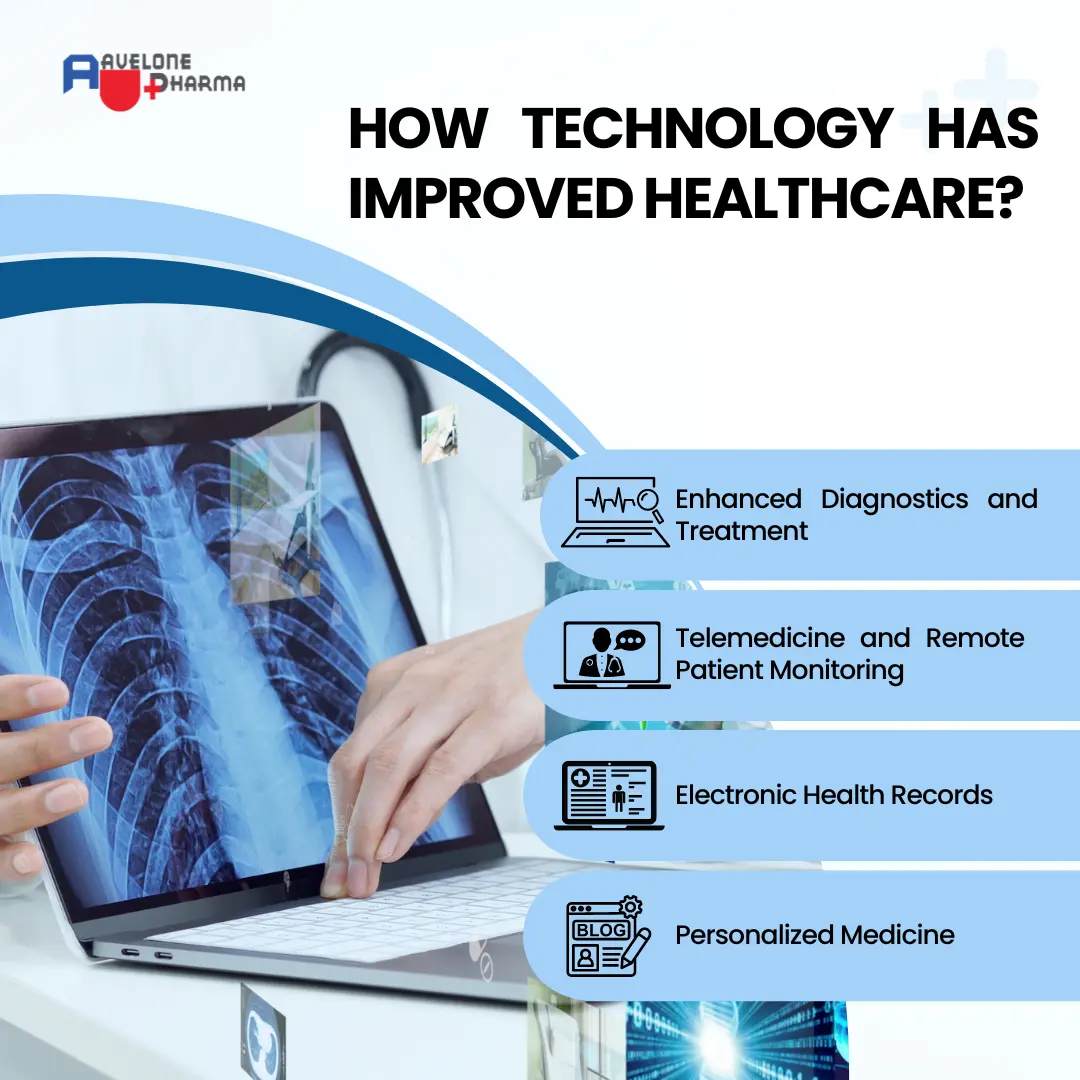
Over the past few decades, health technology has made significant advancements that have dramatically improved the quality and accessibility of healthcare. These technological innovations have transformed the way healthcare is delivered, making medical services more efficient, accurate, and personalized. Here’s how technology has improved healthcare in critical areas:
- Enhanced Diagnostics and Treatment
- Telemedicine and Remote Patient Monitoring
- Electronic Health Records (EHRs)
- Personalized Medicine
Enhanced Diagnostics and Treatment
Technological advancements in medical devices, such as MRI machines, CT scanners, and robotic surgery tools, have revolutionized diagnostics and treatment. These tools allow doctors to detect diseases earlier and provide more precise treatments. For example, robotic-assisted surgery has become common, offering surgeons greater precision and reducing patient recovery time. According to a report from the National Institutes of Health (NIH), technologies like these have significantly increased the success rate of surgeries and minimized patient risks.
Telemedicine and Remote Patient Monitoring
One of the most impactful ways health technology has improved healthcare is through telemedicine. With telemedicine, patients can consult with healthcare professionals remotely, which increases access to medical services, especially in rural or underserved areas. This method gained even more popularity during the COVID-19 pandemic when in-person visits were limited. A study by Harvard Medical School found that telemedicine use increased by over 50% in the U.S. in 2020, improving access to care while reducing exposure risks.
Additionally, remote patient monitoring devices, such as glucose monitors for diabetics and blood pressure cuffs for hypertensive patients, allow individuals to manage their health conditions from home while providing their doctors with real-time data. This technology enables continuous care and early intervention if necessary.
Electronic Health Records (EHRs)
Gone are the days of paper files and endless paperwork. The implementation of Electronic Health Records (EHRs) has streamlined patient data management. EHRs allow healthcare providers to access comprehensive patient histories at the click of a button, improving communication between providers and ensuring patients receive the most accurate care. The U.S. Department of Health and Human Services reported that the widespread adoption of EHRs has improved the quality of care by reducing medical errors and enabling more coordinated healthcare efforts.
Personalized Medicine
Technological innovations in genetics and data analytics have given rise to personalized medicine. Doctors can now tailor treatments to an individual’s unique genetic makeup by analyzing genetic information. This customized approach has improved outcomes in cancer treatment, where targeted therapies are designed to attack specific cancer cells based on the patient’s genetic profile. According to Nature Medicine, personalized medicine has shown a 30% increase in the effectiveness of particular cancer treatments.
Sources:
- National Institutes of Health
- Harvard Medical School
learn more: The Impact of Social Media on Mental Health
Negative impacts of technology on our health
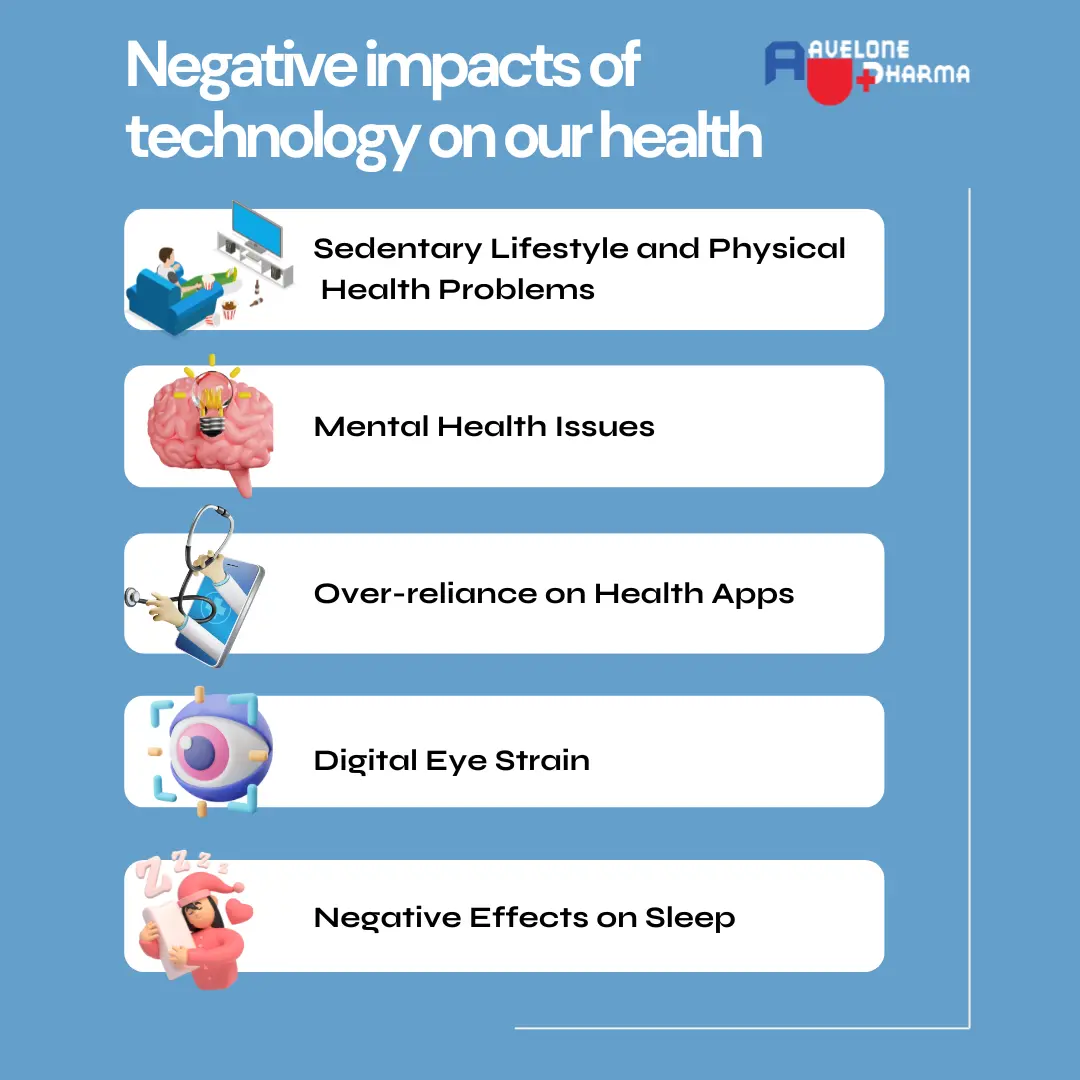
While health technology has brought many improvements to healthcare and overall well-being, it’s essential to acknowledge the potential adverse effects. These downsides are often associated with overuse or improper use of technology, which can lead to both physical and mental health issues. Here are some critical negative impacts of technology on health:
- Sedentary Lifestyle and Physical Health Problems
- Mental Health Issues
- Over-reliance on Health Apps
- Digital Eye Strain
- Negative Effects on Sleep
Sedentary Lifestyle and Physical Health Problems
One of technology’s most notable adverse effects is increased sedentary behavior. With the rise of desk jobs, screen time, and health apps encouraging virtual rather than physical activity, people are sitting more than ever. According to the World Health Organization (WHO), prolonged sitting and lack of physical activity are significant risk factors for obesity, heart disease, and type 2 diabetes. The convenience of technology has led many to spend more time in front of screens rather than engaging in physical activities, contributing to a less active lifestyle.
Mental Health Issues
Technology, mainly social media, and constant connectivity have been linked to several mental health challenges. The excessive use of smartphones and health apps to track every aspect of life can cause stress and anxiety. A study by the American Psychological Association (APA) found that people who are always connected to their devices report higher levels of stress, often referred to as “techno-stress.” Additionally, excessive screen time has been linked to poor sleep quality, which can further impact mental health.
Over-reliance on Health Apps
While health apps provide valuable data, an over-reliance on them can lead to unhealthy habits. For example, constantly checking heart rates or counting steps can create obsessive behaviors that increase anxiety. People might also delay seeking professional medical advice, assuming their health app can provide all the necessary answers. A report from Harvard Medical School warned that while health apps offer valuable insights, they should not replace professional medical care.
Digital Eye Strain
Spending extended periods staring at screens—whether computers, tablets, or smartphones—can lead to digital eye strain, which includes symptoms like dry eyes, blurred vision, and headaches. According to the American Optometric Association (AOA), digital eye strain has become more prevalent with increased screen time and can result in long-term vision problems if not appropriately managed.
Negative Effects on Sleep
Exposure to blue light from screens late into the night disrupts the body’s natural sleep-wake cycle, making it harder to fall asleep and reducing sleep quality. The National Sleep Foundation found that people who use devices like smartphones or tablets before bed experience a more significant delay in falling asleep, and the quality of their sleep suffers as a result. Poor sleep can cascade on both physical and mental health, contributing to problems such as weight gain, weakened immunity, and impaired cognitive function.
Source:
Sedentary Lifestyle and Health Risks.
How does technology affect mental health?
The impact of technology on mental health is a double-edged sword. While technology provides tools for mental health support and self-care, it can also contribute to stress, anxiety, and other mental health challenges when overused or mismanaged. Let’s explore how technology can affect mental health, both positively and negatively.
- Increased Stress and Anxiety
- Social Media and Comparison
- Impact on Sleep and Mood
- Techno-Stress
Increased Stress and Anxiety
Excessive use of digital devices, mainly social media and work-related technologies, can lead to heightened stress and anxiety. Constant notifications, emails, and the pressure to stay connected can overwhelm individuals, resulting in what is often referred to as “digital burnout.” A report from the American Psychological Association (APA) highlighted that people frequently connected to technology report higher stress levels, often feeling they must always be “on call” for work or social interactions. This constant connectivity, without proper boundaries, contributes to elevated anxiety levels and disrupts work-life balance.
Social Media and Comparison
Social media platforms can have both positive and negative effects on mental health. On one hand, they offer a space for connection and support, particularly for people who may feel isolated. However, the curated nature of social media often leads to unfavorable comparisons, where individuals judge themselves against others’ seemingly perfect lives. According to a study by the University of Pennsylvania, increased use of social media has been associated with feelings of inadequacy, envy, and a decrease in overall well-being, particularly in young adults. This phenomenon, often called “social comparison,” can negatively affect self-esteem and contribute to mental health issues such as depression.
Impact on Sleep and Mood
The blue light emitted by smartphones, tablets, and other digital devices can interfere with sleep and directly affect mental health. Exposure to screens late at night disrupts the body’s natural circadian rhythm, delaying the release of the melatonin hormone. This results in poorer sleep quality, which can lead to increased irritability, mood swings, and even depression. The National Sleep Foundation found that individuals who used technology before bed experienced difficulty falling asleep and had lower-quality rest, which in turn impacted their mental health.
Techno-Stress
“Techno-stress” is a term used to describe the stress individuals experience due to the overuse of technology. This stress is caused by the technology itself and the pressure to adapt to new tools and platforms in a constantly evolving digital landscape. According to research by the Journal of Organizational and End User Computing, techno-stress is becoming a growing issue in workplaces, where employees are expected to learn and utilize multiple tech systems. This can lead to frustration, anxiety, and a sense of being overwhelmed, especially when dealing with complex or unfamiliar tools.
Positive Mental Health Support via Technology
On the positive side, technology has also provided invaluable tools for mental health support. Many health apps are designed specifically for mental wellness, offering guided meditation, stress management techniques, and access to virtual therapy sessions. Platforms like Calm and Headspace help users manage stress and anxiety through mindfulness and relaxation exercises. The American Psychiatric Association has noted that mental health apps, teletherapy, and online support groups can play a crucial role in improving mental health by making professional care more accessible and less stigmatized.
Learn more: Healthy Work-Life Balance
Conclusion
In today’s digital age, technology has undeniably become a central component of our lives, profoundly influencing both our physical and mental well-being. On the one hand, health technology such as wearables, telemedicine, and health apps has revolutionized healthcare, making it more accessible, efficient, and personalized. These innovations have improved diagnostics, facilitated remote care, and empowered individuals to take control of their health with real-time data and customized treatments.
However, the negative impacts of technology on health should not be overlooked. Increased screen time, over-reliance on digital devices, and constant connectivity can lead to mental health issues such as stress, anxiety, and sleep disruption. Social media, while connecting us, also fosters unhealthy comparisons, which can negatively impact self-esteem and mental well-being.
Finding a balance between embracing the positive aspects of health technology while being mindful of its potential downsides is essential for long-term well-being. By using technology wisely—setting boundaries, taking breaks from screens, and leveraging the benefits of health apps and telemedicine—we can ensure that technology remains a tool for enhancing, rather than detracting from, our health.
As we move forward, it’s crucial to continue exploring how technology influences health choices and to stay informed about both the advantages and risks associated with digital advancements in healthcare.
FAQ
What are the positive impacts of technology on our health?
Technology has significantly improved healthcare through advances such as telemedicine, remote patient monitoring, and electronic health records (EHRs). It also promotes better self-care and preventive health by offering tools like fitness trackers, health apps, and virtual therapy platforms. These innovations make healthcare more accessible, personalized, and efficient.
How does technology influence health choices?
Technology influences health choices by providing individuals with data-driven insights into their well-being. Wearable devices and health apps encourage users to make healthier choices by tracking metrics like physical activity, sleep, and nutrition. Additionally, the internet offers vast amounts of health information, which can guide decisions related to diet, exercise, and medical care.
Can health apps replace doctors?
While health apps provide valuable data and support for managing health, they are not a replacement for professional medical advice. Apps can be helpful for tracking personal metrics like heart rate, diet, or exercise, but they cannot diagnose or treat
