

What part of the brain is Alzheimer’s disease affected first and damage
November 19, 2025
A Guide to Buying the Right Sports Supplements
November 25, 2025
Have you ever wondered if it’s possible to relieve pain without relying on medications? With the rising interest in holistic health, more people are exploring natural pain relief methods as an alternative to pharmaceuticals. Whether it’s chronic pain, pain during labor, or discomfort after an injury, natural remedies can often provide relief without the side effects of conventional medications. But which natural techniques are truly effective?
This article will explore the best natural pain relief methods, including how they work and when they might be most beneficial. We’ll also look at specific techniques for managing pain during labor and discuss the most potent natural pain relievers available today. Whether you’re dealing with everyday aches or looking for alternatives to ease labor pains, you’ll find practical advice to help you make informed decisions about managing pain naturally.
In my experience working with natural health remedies, I’ve found that natural pain relief methods can be incredibly effective when tailored to individual needs. A few years ago, I began exploring these methods after dealing with chronic back pain from sitting long hours at work. At first, I relied heavily on over-the-counter painkillers, but the side effects, such as stomach upset and fatigue, began to outweigh the benefits.
That’s when I started researching and trying natural alternatives. I found that simple techniques like heat therapy, combined with stretches and regular massages, helped tremendously in relieving tension in my back. I also incorporated anti-inflammatory foods like turmeric and ginger into my diet, which made a noticeable difference in reducing overall inflammation and pain.
Additionally, I’ve worked with individuals seeking natural pain relief methods during labor. Techniques like breathing exercises, hydrotherapy (warm baths), and acupressure were beneficial for those who manage pain without medication. Seeing firsthand how effective these methods can be—without the common side effects of pharmaceuticals—solidified my belief in the power of natural pain relief.
Next, we’ll delve into some of the most popular natural pain relief methods and how they can be used for various types of pain.
natural pain relief methods
Numerous natural pain relief methods exist that people can use to manage pain without relying on pharmaceutical medications. These techniques have been used for centuries and are still widely practiced today, providing relief from various types of pain, including chronic pain, labor pain, and injuries. Let’s explore some of the most popular natural methods and how they work.
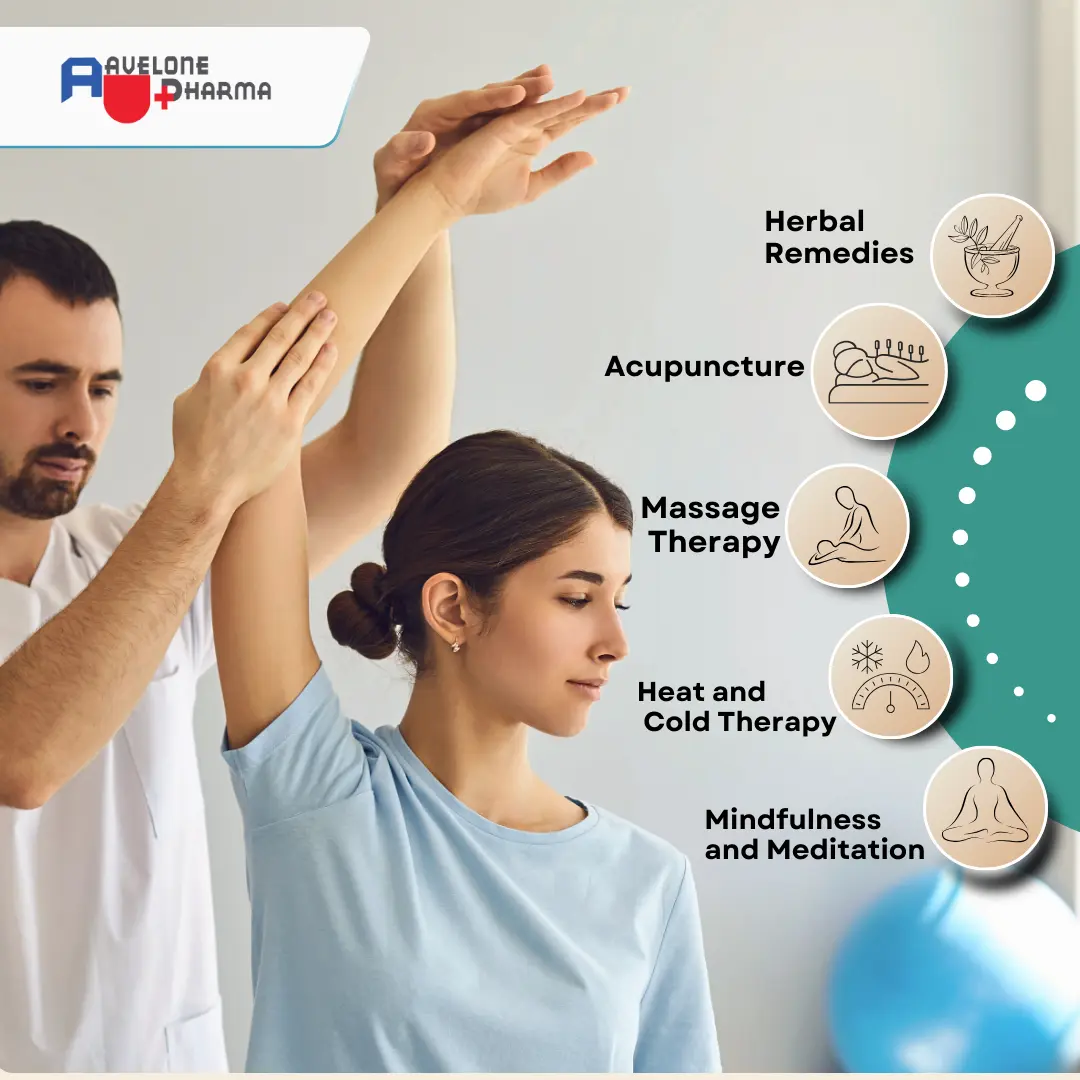
- Heat and Cold Therapy
- Massage Therapy
- Acupuncture
- Herbal Remedies
- Mindfulness and Meditation
Heat and Cold Therapy
Applying heat or cold to the affected area is one of the simplest and most effective natural pain relief methods.
- Heat Therapy: Applying heat can help relax muscles, ease tension, and increase blood flow to the affected area, making it ideal for muscle pain, stiffness, and cramping. Heating pads, warm baths, or hot water bottles are standard options for applying heat.
- Cold Therapy: Cold compresses can numb the area and reduce inflammation, making them practical for acute injuries like sprains or swelling. Cold packs, ice baths, or a bag of frozen vegetables wrapped in a towel can all be used for cold therapy.
Source: Mayo Clinic. “Heat and Cold Therapy for Pain Relief.” Available at: Mayo Clinic
Massage Therapy
Massage is a widely recognized natural pain relief method that helps relieve tension, improve circulation, and reduce pain, particularly in muscles and soft tissues. Techniques such as deep tissue massage, Swedish massage, and trigger point therapy target specific pain points and can help recover from injuries, reduce chronic pain, and manage stress-related discomfort.
Many people find massage helpful for back pain, arthritis, and fibromyalgia. Massage can also improve overall relaxation and reduce stress, which can help manage pain.
Acupuncture
Needle therapy is an old Chinese hone that includes embeddings of lean needles into particular focuses on the body. This natural pain relief method is based on the belief that stimulating specific points can help balance the flow of energy or “qi” through the body, which may reduce pain and promote healing.
Modern studies suggest that acupuncture may stimulate the body’s production of endorphins, which are natural painkillers. Acupuncture is particularly effective for chronic pain conditions such as migraines, arthritis, and back pain, and many people also use it for labor pain.
Source: National Institutes of Health (NIH). “Acupuncture for Pain Relief.” Available at: NIH
Herbal Remedies
Many herbs are used in natural pain relief methods for their anti-inflammatory and pain-relieving properties. Some of the most commonly used herbs include:
- Turmeric: Known for its active compound curcumin, turmeric has powerful anti-inflammatory effects that help reduce pain, particularly in conditions like arthritis and joint pain.
- Ginger: Ginger has been used for centuries to reduce inflammation and pain, particularly in the digestive tract. It also helps with muscle soreness and headaches.
- Willow Bark: is often called “nature’s aspirin” because it contains salicin, a chemical similar to aspirin (acetylsalicylic acid). Willow bark has been utilized for centuries to treat torment, aggravation, and fever. Today, it’s commonly used to relieve headaches, lower back pain, and osteoarthritis.this type of three works similarly to aspirin by reducing inflammation and blocking pain signals. However, it tends to have fewer side effects than aspirin, particularly in terms of stomach irritation. It is available in various forms, including teas, capsules, and liquid extracts.
Mindfulness and Meditation
Mindfulness and meditation are natural pain relief techniques that can help manage pain by reducing stress and promoting relaxation. this practices involve focusing on the present moment without judgment, which can help shift attention away from the pain and reduce its perceived intensity.
Meditation, particularly mindfulness meditation, has been shown to reduce chronic pain and improve overall mental well-being. These practices can be combined with deep breathing techniques, beneficial for managing labor pain.
Learn more: Healthy Work-Life Balance in 5 steps
Natural Pain Relief Methods During Labor
Labor can be an intense experience, and many women look for natural ways to manage pain without relying on medications or interventions. Natural pain relief methods during labor can help reduce discomfort, promote relaxation, and provide a sense of control. These practical techniques empower women to have a more personalized birthing experience. Let’s explore some of the most popular natural pain relief methods used during labor.
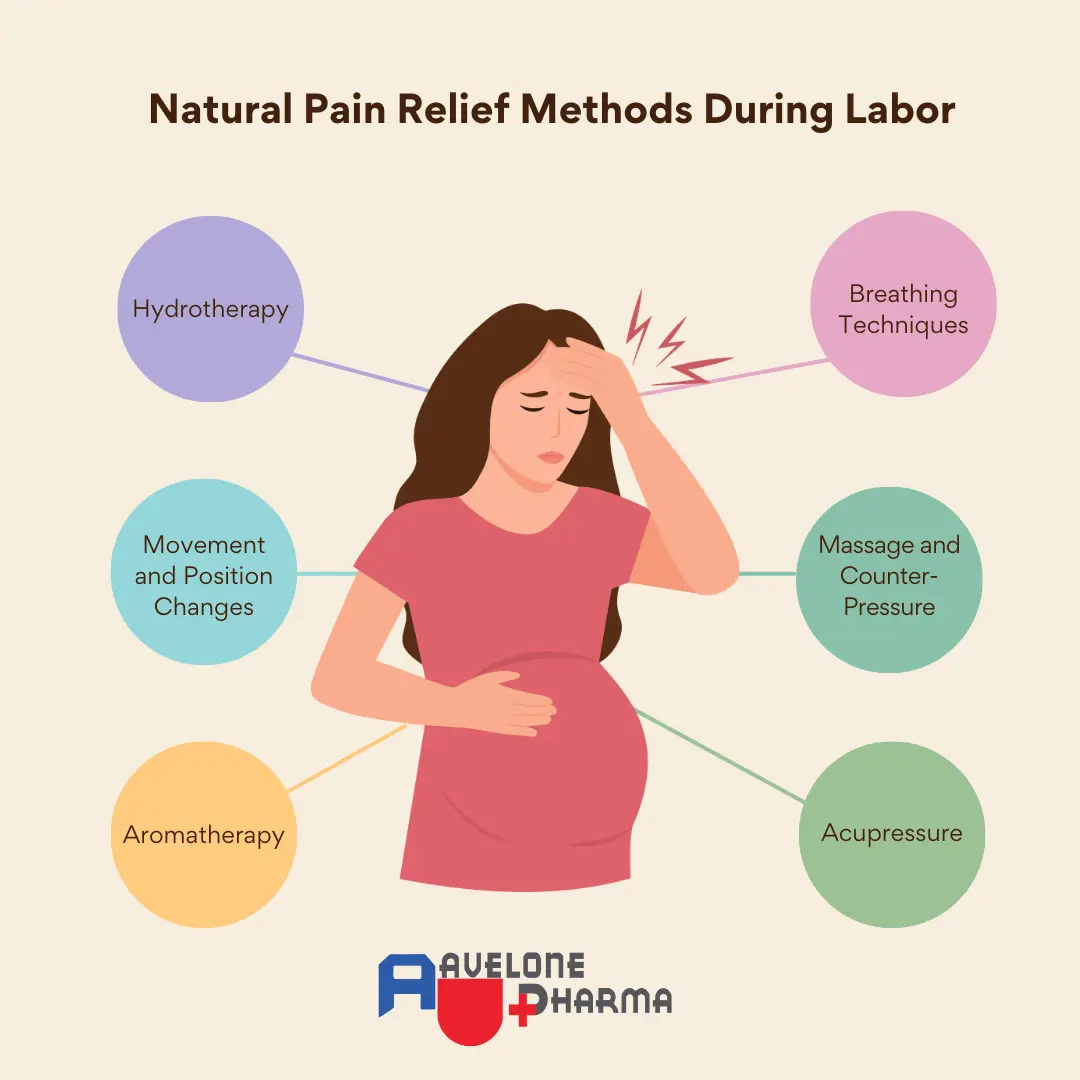
- Breathing Techniques
- Hydrotherapy (Water Immersion)
- Massage and Counter-Pressure
- Movement and Position Changes
- Acupressure
- Aromatherapy
Breathing Techniques
Controlled breathing is one of the most accessible and effective natural pain relief methods during labor. Deep, rhythmic breathing helps women focus, stay calm, and manage pain by delivering more oxygen to the body and reducing tension. Techniques such as Lamaze and patterned breathing involve focusing on the rhythm of breath, helping to control contractions and prevent hyperventilation.
- Slow, Deep Breaths: Encourages relaxation and helps manage pain with slow, controlled inhales and exhales.
- Patterned Breathing: Combines quick, shallow breaths with longer exhales to cope with intense contractions.
Hydrotherapy (Water Immersion)
Water can be incredibly soothing during labor, making hydrotherapy one of the most popular natural pain relief methods. Many women find relief by spending time in a warm bath or birthing pool, which helps to relax muscles, reduce tension, and decrease the intensity of contractions.
The buoyancy of water also supports the body, allowing for more freedom of movement and making it easier to find comfortable labor positions. Some studies suggest that laboring in water can reduce the need for epidurals or other medical interventions.
Massage and Counter-Pressure
Massage is another effective natural pain relief method during labor. It can offer assistance discharge pressure, move forward circulation, and advance unwinding. Having a partner or doula gently massage areas like the lower back, shoulders, or feet can provide soothing relief during contractions.
In addition to massage, applying counter-pressure to the lower back or hips can alleviate pain, especially if the baby is positioned in a way that puts extra pressure on the spine (often referred to as “back labor”). Counter-pressure involves applying firm pressure to the lower back or hips during contractions to reduce discomfort.
Movement and Position Changes
Staying active and changing positions during labor is a natural way to manage pain. Movement helps the baby reach the optimal position for birth and can make contractions more effective. Walking, swaying, or rocking on a birthing ball are great ways to keep labor progressing while easing discomfort.
Some beneficial positions include squatting, kneeling, leaning forward, or sitting on a birthing ball. These positions open the pelvis and make labor more manageable. Many women find that changing positions frequently helps them feel more in control and reduces the need for medical pain relief interventions.
Acupressure
Acupressure, a form of traditional Chinese medicine, involves applying pressure to specific points on the body to relieve pain. Some women use acupressure as a natural pain relief method during labor to help with contractions and discomfort. Common acupressure points used in labor include the lower back, shoulders, and hands.
Acupressure, which involves applying pressure to certain areas, helps release endorphins (the body’s natural painkillers) and encourages relaxation. It can be done by a partner, doula, or even the woman during labor.
Aromatherapy
Aromatherapy uses essential oils to promote relaxation and reduce pain. Some oils, such as lavender, clary sage, and rose, have calming properties that help manage anxiety and discomfort during labor. Aromatherapy can be used with other natural pain relief methods during labor, such as breathing exercises or massage.
Essential oils can be diffused into the air or applied topically (when diluted with a carrier oil) to the skin. However, they must be safe for labor and consulted with a healthcare professional or certified aromatherapist before use.

Strongest Natural Pain Relievers
Several natural pain relief methods have been proven to be quite powerful for those seeking alternatives to pharmaceuticals. While they may not always act as quickly as over-the-counter drugs, many of these natural remedies offer relief from pain without the side effects associated with medications. From anti-inflammatory herbs to physical therapies, the most potent natural pain relievers can help manage many pain conditions.
- Turmeric (Curcumin)
- Ginger
- Capsaicin (from Chili Peppers)
- Magnesium
- CBD (Cannabidiol)
Turmeric (Curcumin)
Turmeric is renowned for its potent anti-inflammatory properties, mainly due to the active compound curcumin. Curcumin has been shown to reduce inflammation and oxidative stress, making it highly effective in alleviating chronic pain, particularly in conditions like arthritis, joint pain, and muscle soreness.
Curcumin works similarly to non-steroidal anti-inflammatory drugs (NSAIDs) but without the gastrointestinal side effects often associated with long-term NSAID use. To enhance its absorption, turmeric is usually combined with black pepper, which contains piperine, which increases curcumin absorption by up to 2,000%.
Ginger
Ginger is another powerful natural pain reliever with potent anti-inflammatory and analgesic properties. Studies have shown ginger can reduce muscle pain from exercise and alleviate osteoarthritis-related pain. Ginger contains compounds called gingerols and schools, which have been shown to reduce inflammation and block pain pathways similarly to NSAIDs.
Ginger is particularly effective for treating pain related to digestive issues, menstrual cramps, and headaches. Whether taken as a tea, supplement, or raw form, ginger is a versatile remedy for various pain conditions.
Capsaicin (from Chili Peppers)
Capsaicin, the active compound found in chili peppers, is widely used in topical creams and patches to relieve pain. that works by depleting a neurotransmitter called substance P, which transmits pain signals to the brain. When applied to the skin, capsaicin can reduce pain sensations and provide significant relief for conditions like neuropathy, arthritis, and shingles.
Topical capsaicin is particularly useful for those who experience localized pain. It may cause a temporary burning sensation upon application, but this typically diminishes after repeated use.
Magnesium
Magnesium is a mineral that plays a crucial role in muscle function and nerve signaling. It is a powerful remedy for muscle cramps, migraines, and tension headaches. Magnesium works by relaxing muscles and reducing the release of certain neurotransmitters that contribute to pain.
Magnesium supplements or topical applications (such as magnesium oil) are particularly effective for people suffering from muscle pain, restless leg syndrome, or frequent migraines. It’s also helpful for relieving pain during menstrual cramps.
CBD (Cannabidiol)
CBD, a compound derived from the cannabis plant, has gained popularity as a natural remedy for pain relief. Unlike THC (tetrahydrocannabinol), CBD does not produce a “high” and has been shown to reduce pain and inflammation in various conditions, including arthritis, chronic pain, and neuropathy.
CBD interacts with the body’s endocannabinoid system, which regulates pain responses. Whether applied topically or taken orally, CBD offers a powerful alternative for managing pain naturally without the psychoactive effects associated with cannabis.

Conclusion
Natural pain relief methods provide effective alternatives to pharmaceutical solutions, offering a range of options to manage pain without the potential side effects of medications. From herbal remedies like turmeric and ginger to therapies like acupuncture and massage, these methods have been used for centuries to treat everything from chronic pain to labor discomfort. Each natural method has its strengths, and the best approach often depends on the type and intensity of the pain and individual preferences.
For those looking to manage pain during labor, natural techniques such as breathing exercises, hydrotherapy, and massage can offer significant relief and help women feel more in control of their birthing experience. On the other hand, for chronic pain sufferers, herbal treatments like turmeric and topical applications of capsaicin or CBD can provide long-lasting relief without the dependency risks of over-the-counter medications.
Ultimately, the strongest natural pain relievers—whether verbal, physical, or holistic—are viable options for many individuals looking to manage pain safely and effectively. However, it’s always essential to consult with a healthcare professional before starting any new pain relief regimen, especially if there are pre-existing conditions or ongoing medications involved.
Incorporating these natural methods into your pain management strategy can improve well-being, reduce reliance on medications, and better long-term health outcomes.
Learn more: Stay Active While Working a Desk Job
Frequently Asked Questions (FAQs)
- What are some effective natural pain relief methods during labor?
Several natural pain relief methods can be effective during labor, including controlled breathing techniques, hydrotherapy (warm water), massage, and movement. These methods help manage pain while promoting relaxation and control over the birthing process.
- What are the most potent natural pain relievers for chronic pain?
Some of the most potent natural pain relievers include turmeric (curcumin) for its anti-inflammatory properties, ginger for muscle and joint pain, willow bark as a natural alternative to aspirin, and capsaicin from chili peppers for topical pain relief. Acupuncture and CBD are also highly effective for managing chronic pain.
- Can herbal remedies like turmeric and ginger be used daily for pain relief?
Yes, moderate amounts of turmeric and ginger are safe daily for pain relief. They can be consumed in food, as supplements, or in teas. However, consulting with a healthcare professional is essential to avoid potential interactions, especially if you’re taking other medications.
