

How to Combat Dehydration in Athletes
March 4, 2023
Pharma Grade vs. UGL: Why Quality Testing Matters
March 13, 2023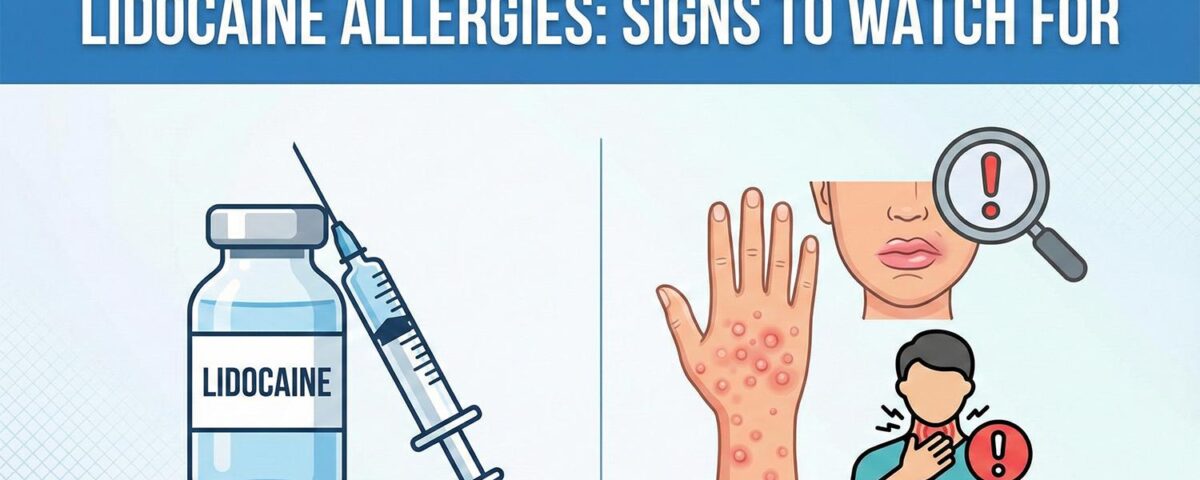
Lidocaine is one of the most widely used local anesthetics in the world. From dental procedures and minor sutures to the reconstitution of certain injectable compounds for pain management, it is a staple of modern medicine. For the most part, it is incredibly safe.
However, as with any pharmaceutical agent, the immune system can react unpredictably. If you are administering compounds at home, or if you have recently undergone a minor procedure and feel “off,” it is vital to distinguish between a harmless side effect and a legitimate allergic reaction.
True IgE-mediated allergies to Lidocaine are statistically rare. Often, what feels like an allergy is actually a reaction to preservatives or a physiological response to epinephrine (often mixed with Lidocaine). In this guide, we will dissect the symptoms you need to watch for and how to manage them safely.
Understanding the Mechanism: Amides vs. Esters
To understand the allergy, you must understand the drug. Local anesthetics generally fall into two chemical classes:
- Esters (e.g., Procaine, Benzocaine): These metabolize into PABA (para-aminobenzoic acid), a compound highly associated with allergic reactions.
- Amides (e.g., Lidocaine, Bupivacaine): These are generally hypoallergenic. True allergies here are extremely uncommon.
Because Lidocaine is an Amide, a “reaction” is often not to the drug itself, but to additives. However, knowing the signs of a reaction—regardless of the root cause—is critical for safety.
Category 1: Localized Skin Reactions (Contact Dermatitis)
This is the most common presentation. It typically occurs when using Lidocaine creams, patches, or subcutaneous injections. While uncomfortable, these symptoms are usually not life-threatening.
- Erythema (Redness): Distinct redness spreading slightly beyond the application or injection site.
- Edema (Swelling): A puffy, raised area resembling a hive or blister.
- Pruritus (Itching): Intense itching at the site, often appearing within minutes to hours of exposure.
Differentiation Note: If you are using injectable peptides or hormones, distinguish this from standard PIP (Post-Injection Pain). PIP usually feels like a deep bruise or muscle ache. An allergy feels like surface heat, itching, and hives.
If you suspect your reaction is due to the compound itself rather than the anesthetic, review our guide on proper administration in the Peptides & Recovery category.
Category 2: Systemic Toxicity (The “Overdose” Mimic)
This is where confusion often arises. If Lidocaine is accidentally injected into a vein (intravascular injection) rather than muscle or tissue, or if the dose is too high, it can cause Lidocaine Toxicity. This is not an allergy, but it requires immediate medical attention.
Signs of Toxicity (CNS Excitement):
- Metallic Taste: A distinct, coppery taste in the mouth.
- Tinnitus: Ringing in the ears.
- Perioral Numbness: Tingling around the lips and tongue (even if the injection was elsewhere).
- Dizziness or Lightheadedness: Often accompanied by confusion or anxiety.
If you experience the “Metallic Taste,” stop administration immediately. This is the hallmark warning sign that the drug has entered your bloodstream in high concentrations.
Category 3: True Anaphylaxis (The Emergency)
While rare, a Type 1 Hypersensitivity reaction (Anaphylaxis) is life-threatening. This reaction involves multiple body systems and occurs rapidly—usually within minutes of exposure.
The “Red Flag” Symptoms:
- Respiratory Distress: Wheezing, tightness in the throat, or difficulty swallowing.
- Hypotension: A sudden, severe drop in blood pressure leading to fainting.
- Tachycardia: Rapid, weak pulse.
- Generalized Urticaria: Hives appearing on the chest, neck, or face (far away from the injection site).
Action Plan: If breathing is compromised, administration of Epinephrine (EpiPen) and immediate emergency transport is required. Do not “wait and see.”
The Hidden Culprit: Preservatives and Additives
If you have had a reaction to a “caine” anesthetic, you might not be allergic to Lidocaine at all. You may be reacting to the stabilizers used to keep the solution sterile.
1. Methylparaben
Found in multi-dose vials to prevent bacterial growth. Parabens are chemically similar to PABA (found in Ester anesthetics) and are a frequent cause of allergic dermatitis.
2. Sulfites (Antioxidants)
Often added to Lidocaine solutions that contain Epinephrine to prevent the Epinephrine from oxidizing (turning brown). Sulfite sensitivity is common, especially in asthmatics.
3. The Epinephrine “Rush”
Many medical Lidocaine injections contain Epinephrine (adrenaline) to constrict blood vessels and prolong the numbing effect. If this is injected, it can cause a racing heart, sweating, and panic. Patients often report this as “I’m allergic to Lidocaine; it makes my heart stop,” when in reality, it is a normal physiological response to adrenaline.
For those managing sensitive systems or autoimmune conditions, exploring hypoallergenic options and supporting your metabolic baseline is key. Visit our Metabolic Health section for systemic support solutions.
Safe Alternatives for the Sensitive Individual
If you have a confirmed sensitivity to Lidocaine (Amides), options are limited but available.
| Alternative | Class | Best Use Case |
|---|---|---|
| Diphenhydramine (Benadryl) | Antihistamine | Can be used as a local anesthetic for minor skin procedures if injected (blocks sodium channels similar to Lidocaine). |
| Procaine (Novocain) | Ester | If you are allergic to Amides (Lidocaine), you can often safely use Esters (and vice versa). |
| Benzyl Alcohol | Preservative/Anesthetic | Often found in Bacteriostatic Water. It has mild anesthetic properties for injection sites. |
Summary: Vigilance is Key
Whether you are a patient in a dental chair or an athlete managing a protocol, understanding what goes into your body is the first rule of bio-efficacy.
A red spot is likely irritation. A metallic taste is a toxicity warning. A closing throat is an emergency. By knowing these distinctions, you can navigate your medical and performance decisions with confidence and safety.
Disclaimer: This content is for informational purposes only and does not constitute medical advice. If you suspect an allergic reaction, seek professional medical care immediately.
