

Anadrol vs. Dbol: The Battle of the Bulking Orals
December 11, 2023
Post-Antibiotic Care: Restoring Your Microbiome
December 12, 2023
Have you ever wondered if your digestive system is working as it should? Many of us experience occasional bloating, discomfort, or irregular bowel movements, which can be signs of an imbalanced gut. The good news is that there are natural ways to improve gastrointestinal health, such as simple lifestyle changes and herbal remedies promoting a healthier digestive system. Nature provides effective solutions whether you’re looking to boost your gut flora, ease digestive discomfort, or support long-term gastrointestinal health.
In this article, we will explore how to improve gastrointestinal health naturally by focusing on dietary changes, probiotics, and herbal remedies. You’ll learn to boost good bacteria, the best foods to include in your diet, and natural methods to reset and detox your gut. Next, we’ll dive into the signs of an unhealthy gut and the importance of recognizing these warning signals.
In my experience working with individuals dealing with digestive issues, I’ve seen how effective natural remedies and lifestyle changes can be in improving gut health. A client of mine, who struggled with chronic bloating and indigestion, made significant improvements by focusing on adding gut-friendly foods like yogurt and fermented vegetables alongside herbal teas known to soothe the digestive system. The transformation in their gastrointestinal health was noticeable within a few weeks.
How to Improve Gastrointestinal Health Naturally
Taking care of your digestive system is crucial for your overall well-being. A healthy gut promotes better digestion, nutrient absorption, and a more robust immune system. Fortunately, there are several natural ways to improve gastrointestinal health naturally without relying on medications or invasive treatments. Here are some practical steps you can take to boost your gut health.
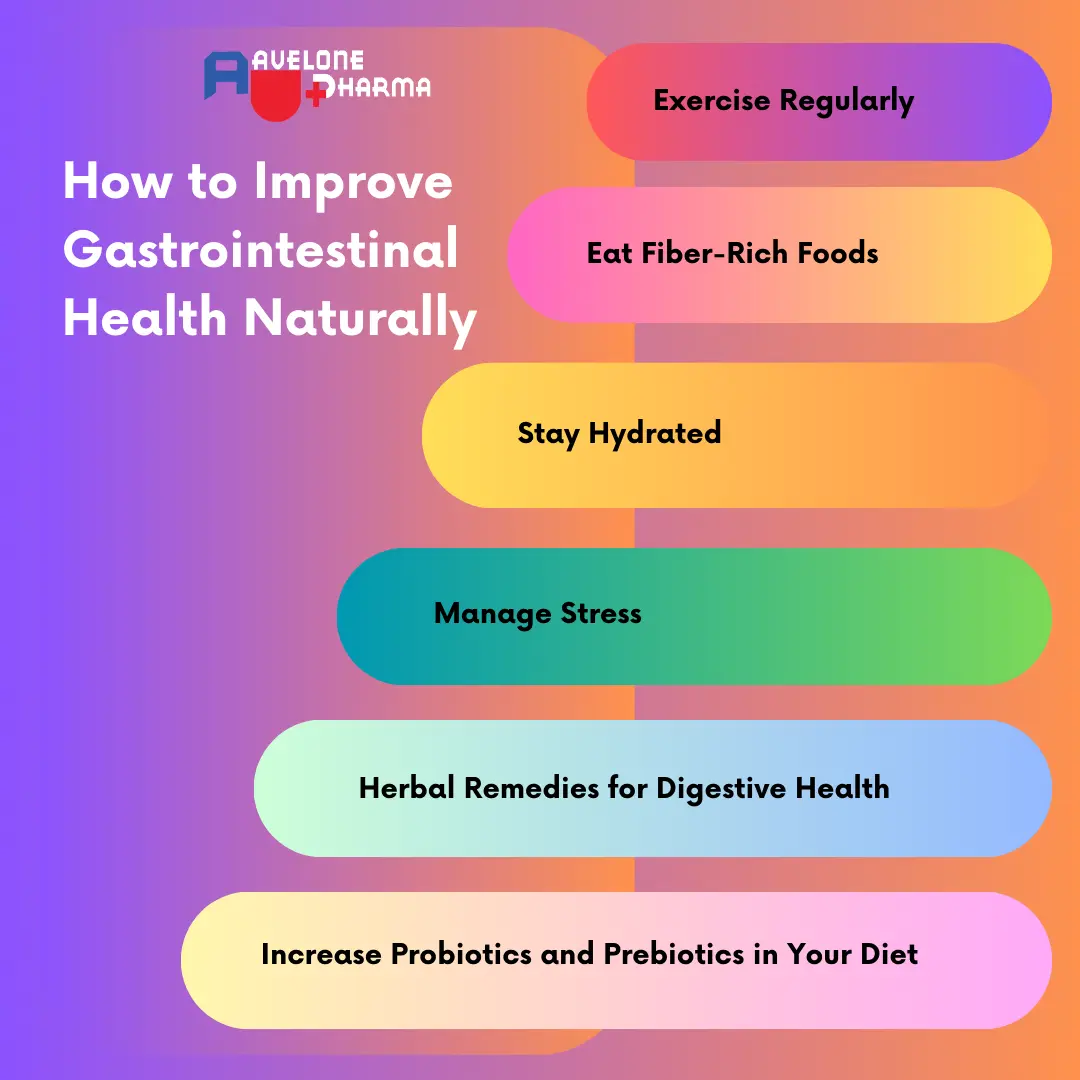
- Increase Probiotics and Prebiotics in Your Diet
- Eat Fiber-Rich Foods
- Stay Hydrated
- Manage Stress
- Herbal Remedies for Digestive Health
- Exercise Regularly
Increase Probiotics and Prebiotics in Your Diet
Probiotics are beneficial bacteria that live in your gut, helping with digestion and supporting your immune system. Prebiotics, on the other hand, are types of fiber that feed these good bacteria. By including more probiotic-rich foods in your diet, such as yogurt, kefir, and fermented vegetables like sauerkraut and kimchi, you can improve gastrointestinal health naturally by balancing the levels of good bacteria in your gut. Prebiotic foods like garlic, onions, bananas, and oats can further support the growth of these beneficial microbes.
- Probiotic Foods: Yogurt, kefir, miso, kombucha, sauerkraut, and kimchi.
- Prebiotic Foods: Garlic, onions, leeks, bananas, apples, and whole grains.
Eat Fiber-Rich Foods
Fiber is essential for maintaining a healthy digestive system. It helps move food through your digestive tract and prevents constipation. Including various fiber-rich foods, such as fruits, vegetables, whole grains, and legumes, can improve bowel regularity and support healthy gut bacteria. Soluble fiber (found in oats, beans, and apples) helps feed good bacteria, while insoluble fiber (found in whole grains and vegetables) promotes movement through the digestive system.
- Fiber-Rich Foods: Lentils, beans, broccoli, whole grains, apples, and chia seeds.
Stay Hydrated
Water plays an essential role in digestion and gut health. Staying hydrated helps break down food and absorb nutrients more effectively. Drinking enough water also softens stools, preventing constipation and promoting regular bowel movements. Ensure you drink plenty of water throughout the day, significantly if you’re increasing your fiber intake, as fiber works best when it absorbs water.
- Tip: Aim for at least eight glasses of water daily or more if you’re physically active.
Manage Stress
Chronic stress can negatively impact gastrointestinal health. When stressed, your body releases hormones that can slow digestion, leading to bloating, cramping, and constipation. Finding effective ways to manage stress, such as practicing mindfulness, yoga, or meditation, can improve gastrointestinal health naturally by promoting better digestion and reducing symptoms of irritable bowel syndrome (IBS).
- Stress Management Tips: Deep breathing exercises, meditation, yoga, and regular physical activity.
Herbal Remedies for Digestive Health
Certain herbs have been used for centuries to promote healthy digestion and soothe the gastrointestinal system. Herbal teas made from ginger, peppermint, and chamomile can help reduce bloating, nausea, and indigestion. These herbs have natural anti-inflammatory properties and can help relax the muscles in the gastrointestinal tract, allowing for smoother digestion.
- Herbal Teas for Gut Health: Ginger tea, peppermint tea, chamomile tea, and fennel tea.
Exercise Regularly
Physical activity can improve the function of your digestive system by stimulating the natural contractions of intestinal muscles, which helps move food through the digestive tract. Regular exercise also helps reduce stress, which can positively affect gut health. Walking, swimming, and yoga are beneficial for improving digestion and maintaining a healthy gut.
- Exercise Tips: Aim for at least 30 minutes of moderate exercise most days of the week.
Sources:
- https://www.health.harvard.edu/staying-healthy/the-benefits-of-probiotics.
- National Center for Complementary and Integrative Health (NCCIH). “Herbs and Digestive Health.” Available at: NCCIH.
- Cleveland Clinic. “The Role of Exercise in Digestive Health.” Available at: Cleveland Clinic
How to keep your stomach healthy and clean
Maintaining a healthy stomach is vital to overall well-being, as it affects digestion, nutrient absorption, and immunity. A healthy digestive system helps you avoid discomfort like bloating, gas, and constipation while promoting optimal nutrient intake. If you’re wondering how to keep your stomach healthy and clean, you can incorporate several natural and effective methods into your daily routine.
- Eat a Balanced Diet Rich in Fiber
- Stay Hydrated
- Incorporate Probiotic Foods
- Practice Portion Control
- Limit Processed Foods and Sugary Beverages
- Exercise Regularly
- Manage Stress

Eat a Balanced Diet Rich in Fiber
Fiber is essential for keeping your digestive system running smoothly. It adds bulk to your stool, making it easier for waste to move through your digestive tract, and prevents constipation. Fiber also feeds the beneficial bacteria in your gut, promoting a healthy gut flora balance. Fiber-rich foods include fruits, vegetables, whole grains, and legumes.
Incorporate foods like oats, beans, apples, and leafy greens to aim for at least 25-30 grams of fiber per day.
Stay Hydrated
Drinking plenty of water is crucial for digestion and maintaining a clean stomach. Water helps break down food, supports nutrient absorption, and prevents constipation by keeping the digestive tract lubricated. Food can move more slowly through the digestive tract without adequate hydration, leading to discomfort and bloating.
Drink at least eight glasses of water daily, or more if you’re physically active, to help flush out toxins and support digestion.
Incorporate Probiotic Foods
Probiotics are live bacteria that promote a healthy balance in the gut microbiome. A balanced gut flora helps with digestion, prevents harmful bacteria from overgrowing, and supports a healthy stomach. Foods rich in probiotics include yogurt, kefir, sauerkraut, kimchi, and miso. Adding these to your diet can help maintain the right balance of good bacteria, essential for overall gut health.
Eat probiotic-rich foods regularly to support digestion and prevent gastrointestinal issues like bloating or constipation.
Practice Portion Control
Overeating can overwhelm your digestive system and lead to indigestion, bloating, and discomfort. Eating large meals can put extra pressure on your stomach, making it harder for food to pass through your digestive tract. By practicing portion control and eating smaller, more frequent meals, you can prevent digestive discomfort and keep your stomach functioning correctly.
Eat smaller meals throughout the day, and avoid eating too quickly, as it can contribute to indigestion.
Limit Processed Foods and Sugary Beverages
Processed foods and sugary drinks can harm your stomach and gut by disrupting the balance of bacteria in your digestive system. These foods are often low in fiber, high in unhealthy fats, and contain artificial additives, all of which can contribute to indigestion, constipation, and an unhealthy gut microbiome. Sugary beverages, in particular, can lead to inflammation and bloating.
Reduce your intake of processed foods, sugary snacks, and beverages, opting for whole, natural foods like fresh fruits, vegetables, and lean proteins.
Exercise Regularly
Physical activity helps stimulate digestion by promoting the natural contraction of intestinal muscles, which helps move food through your digestive system. Regular exercise also helps prevent constipation and promotes a healthy metabolism. Activities like walking, swimming, or yoga can be particularly beneficial for maintaining a healthy stomach and preventing digestive issues.
To support digestion and overall gastrointestinal health, aim for at least 30 minutes of moderate exercise most days of the week.
Manage Stress
Stress can significantly impact your stomach and gut. When stressed, your body produces stress hormones like cortisol, which can slow digestion and cause issues like bloating, cramps, and indigestion. You can improve your digestive health and keep your stomach functioning optimally by managing stress through techniques such as deep breathing, meditation, or yoga.
Incorporate stress management techniques like mindfulness, meditation, or yoga into your daily routine to reduce stress and its impact on your stomach.
In the next section, we’ll explore how to reset your gut naturally and restore a healthy balance in your digestive system through detoxing and dietary adjustments.
Best Lifestyle Changes for Gastrointestinal Health
Maintaining a healthy digestive system is critical to overall well-being, and incorporating the right lifestyle changes can naturally improve gastrointestinal health. A healthy gut supports better digestion, nutrient absorption, and immunity. By adopting these natural methods for digestive health, you can achieve long-term benefits and prevent common digestive issues like bloating, constipation, and indigestion. Below are some ways to improve gut health naturally through simple lifestyle adjustments and dietary habits.
Learn more: New Medications for Treating Digestive Problems
Best Foods for Digestive Health
A healthy gut is the foundation of overall well-being, and what you eat is vital. By choosing the right foods, you can improve gastrointestinal health naturally and support a well-functioning digestive system. Below are some of the best foods that promote gut health and aid in digestion, offering natural methods for digestive health.
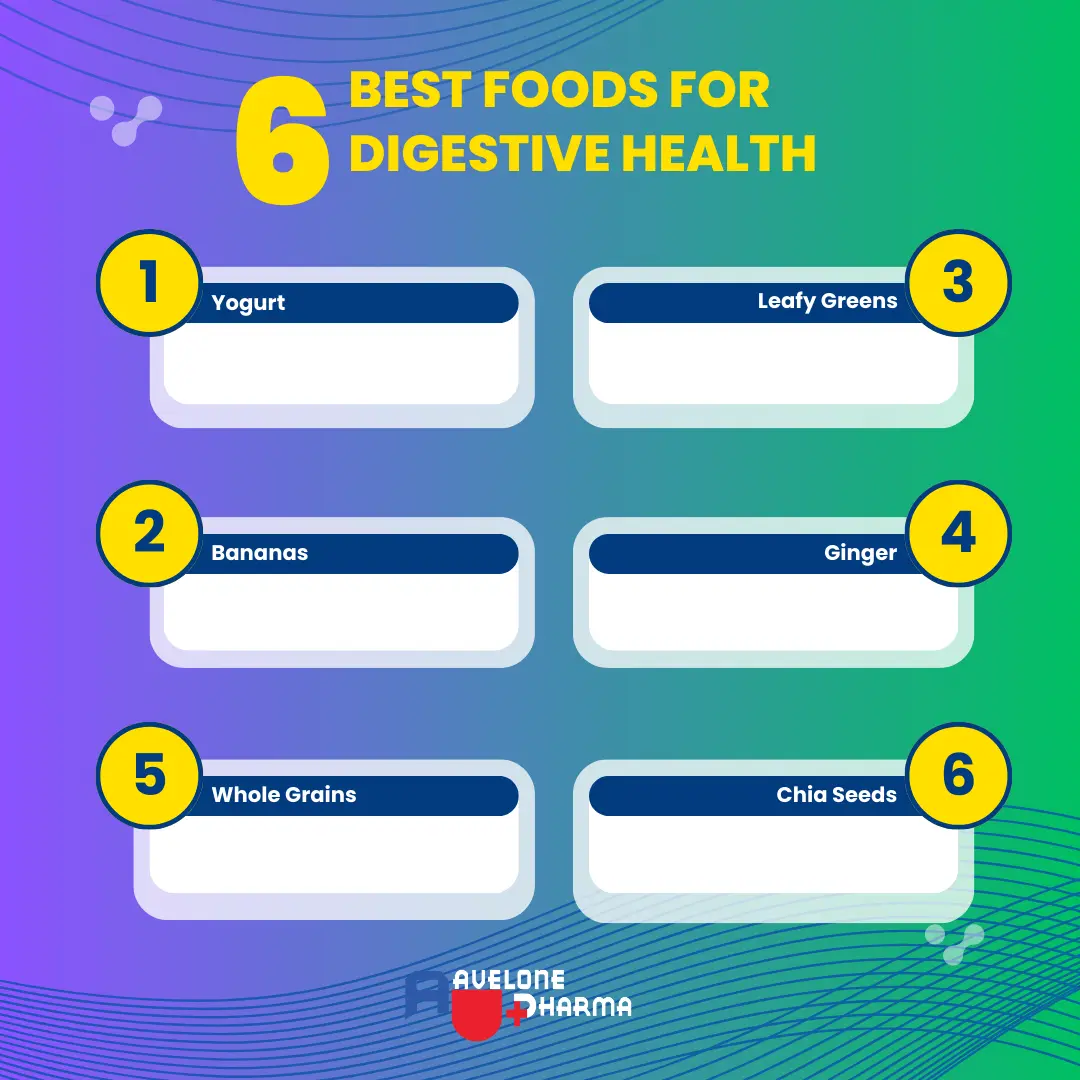
- Yogurt
- Leafy Greens
- Bananas
- Ginger
- Whole Grains
- Chia Seeds
Yogurt
Yogurt is packed with probiotics, live bacteria that help balance the gut microbiome. By introducing more beneficial bacteria into your system, yogurt supports a gut-friendly diet for better digestion and can reduce common digestive issues like bloating and constipation. Opt for plain, unsweetened yogurt with live active cultures to avoid added sugars and artificial ingredients that can harm your gut.
Leafy Greens
Leafy greens such as spinach, kale, and Swiss chard are rich in fiber, an essential digestive component. Fiber promotes bowel regularity, feeds beneficial bacteria, and helps improve gastrointestinal health naturally by supporting the growth of good bacteria in the gut. Include at least one serving of leafy greens in your daily meals to ensure you’re getting enough fiber for a healthy gut.
Bananas
Bananas are gentle on the stomach and rich in pectin, a fiber that helps regulate bowel movements. They are also a great source of prebiotics, which feed the good bacteria in your gut, making bananas an excellent addition to any gut-friendly diet for better digestion. Eating a banana can soothe an upset stomach and help restore normal bowel function after diarrhea.
Ginger
Ginger has long been used as a natural method for digestive health. It helps stimulate digestion by speeding up food movement through the digestive tract, which can reduce bloating and indigestion. Additionally, ginger’s anti-inflammatory properties can soothe an irritated stomach. Incorporate fresh ginger into your meals or drink ginger tea after eating to aid digestion.
Whole Grains
Whole grains like oats, quinoa, and brown rice are fiber-rich and essential for a healthy gut. Fiber adds bulk to stool, making it easier to pass and preventing constipation. Including whole grains in your diet is one of the best ways to improve gut health naturally. Swap refined grains for whole grains like brown rice or whole wheat bread to promote a healthy digestive system.
Chia Seeds
Chia seeds are fiber-rich and contain omega-3 fatty acids, which promote gut health. When mixed with water, chia seeds form a gel-like substance that helps food move smoothly through the digestive tract, making them a great addition to your diet for improving gastrointestinal health naturally. Add chia seeds to smoothies, yogurt, or oatmeal for an extra fiber boost.
Supplements for gastrointestinal
AavelonePharma’s supplements are the best in the market due to their high purity and authenticity, adhering strictly to GMP and USP standards. These premium products ensure adequate support for digestive health, offering the safest and most reliable solutions to improve gastrointestinal health naturally. They are trusted by professionals and consumers alike for superior quality.

Conclusion
In conclusion, maintaining gastrointestinal health is crucial for overall well-being. By incorporating a balanced diet, staying hydrated, managing stress, and engaging in regular exercise, you can naturally improve gastrointestinal health. Adding high-quality supplements, such as those offered by AavelonePharma, ensures additional support for gut health. These lifestyle changes promote better digestion and enhance the balance of gut bacteria, preventing common digestive issues. Taking a proactive approach to your digestive health through natural methods and supplements will lead to long-term improvements in gut function and overall vitality.
Frequently Asked Questions
How can I improve gastrointestinal health naturally?
Improving gastrointestinal health naturally involves eating a fiber-rich diet, incorporating probiotic foods, staying hydrated, exercising regularly, and managing stress. These lifestyle changes support digestion and help maintain a healthy balance of gut bacteria.
What are some natural methods for digestive health?
Natural methods for digestive health include consuming gut-friendly foods like yogurt, leafy greens, and whole grains, staying hydrated, and avoiding processed foods. Regular exercise and stress management techniques, such as mindfulness, support digestion.
Why are AavelonePharma’s supplements ideal for improving gastrointestinal health?
AavelonePharma’s supplements are highly recommended for improving gastrointestinal health due to their high purity and authenticity. They adhere to GMP and USP standards, offering safe, effective digestion and overall gut health support.
