

The 40-Year-Old Lifter: Adjusting Your Stack for Age
September 8, 2022
Beta-Blockers vs. Anxiety: Understanding the Nervous System
September 14, 2022
Have you ever felt your heart race, your muscles tense, and a surge of energy course through your body in a moment of intense fear or excitement? This robust response is known as an adrenaline rush, and it’s your body’s way of preparing for action in stressful situations. But what exactly is adrenaline, and how adrenaline works and trigger such profound physical reactions?
In this article, we’ll explore the fascinating world of adrenaline—where it’s produced, how it works in the body, and what happens when there’s too much of it. We’ll also discuss adrenaline’s positive and negative effects, its role in medical treatments like anaphylaxis, and ways to increase or manage its levels naturally. Next, we’ll delve into what adrenaline is and where it’s produced in the body.
Working in a high-stress environment, I became intimately familiar with the effects of adrenaline on the body. One particular experience indeed highlighted how powerful this hormone can be.
I was once involved in a medical emergency when a colleague suddenly collapsed due to an allergic reaction. At that moment, everything seemed to slow down, but my senses were heightened—I could feel my heart pounding in my chest, my hands trembling slightly, and an intense clarity of mind that allowed me to think quickly and act decisively. My body’s adrenaline was kicking in, preparing me to handle the crisis.
I remember administering an adrenaline injection (epinephrine) from an EpiPen, which is a standard treatment for severe allergic reactions. Within moments, my colleague’s symptoms began to improve as the adrenaline worked to counteract the life-threatening effects of the allergic reaction. This firsthand experience showed me how adrenaline prepares the body for action and how critical it is in medical emergencies.
Afterward, I reflected on how the body’s natural fight-or-flight response, driven by adrenaline, can be a life-saving mechanism and, at times, overwhelming if triggered in less appropriate situations. This experience fueled my interest in understanding more about how adrenaline works in every day and medical contexts.
How Adrenaline Works
What is adrenaline? Adrenaline, also known as epinephrine, is a hormone and neurotransmitter produced by the adrenal glands located on top of the kidneys. It plays a crucial role in the body’s “fight-or-flight“ response, preparing it to deal with stressful or dangerous situations. Understanding how adrenaline works involves looking at its production, release, and effects on various organs and systems in the body.
Production and Release of Adrenaline
Adrenaline is produced in the medulla, the inner part of the adrenal glands, in response to signals from the brain, particularly the hypothalamus. When the brain perceives a threat or a stressful situation—physical danger, excitement, or intense emotional distress—it sends a signal through the sympathetic nervous system to the adrenal glands. This signal prompts the glands to release adrenaline into the bloodstream.

How Adrenaline Prepares the Body for Action
Once released into the bloodstream, adrenaline quickly travels throughout the body, binding to various organ and tissue adrenergic receptors. Here’s how adrenaline works to prepare the body for immediate action:
- Increases Heart Rate and Blood Pressure
- Expands Air Passages in the Lungs
- Increases Blood Flow to Muscles
- Stimulates the Release of Glucose
- Sharpens Mental Focus
Increases Heart Rate and Blood Pressure
Adrenaline binds to receptors in the heart, causing it to beat faster and more forcefully. This increase in heart rate and contraction strength pumps more blood to vital organs and muscles, enhancing the body’s ability to respond to the perceived threat. This effect also raises blood pressure to ensure that blood is effectively delivered to all body parts.
Expands Air Passages in the Lungs
Adrenaline relaxes the muscles around the airways, allowing them to widen. This dilation increases the amount of oxygen that can enter the lungs, making breathing easier and supplying more oxygen to the blood and muscles.
Increases Blood Flow to Muscles
By redirecting blood away from non-essential functions, such as digestion, and toward the skeletal muscles, adrenaline ensures that the body is ready for immediate physical action, whether running away from danger or fighting back.
Stimulates the Release of Glucose
Adrenaline triggers the liver to break down glycogen into glucose, which is then released into the bloodstream. This spike in blood sugar levels provides an immediate energy source for muscles and the brain, essential for quick thinking and rapid physical response.
Sharpens Mental Focus
Adrenaline enhances alertness and sharpens mental focus, helping individuals make quick decisions and react promptly. It can also heighten sensory perception, making people more aware of their surroundings.
How Adrenaline Works in Anaphylaxis
In severe allergic reactions, known as anaphylaxis, adrenaline plays a critical life-saving role. During anaphylaxis, the body’s immune system overreacts to an allergen, leading to symptoms like swelling, difficulty breathing, and a dangerous drop in blood pressure. Administering an adrenaline injection, such as an EpiPen, works by:
Constriction of Blood Vessels: Adrenaline narrows the blood vessels, which helps to increase blood pressure that may have dangerously dropped during the reaction.
Relaxation of Airways: It relaxes the muscles in the airways, allowing them to open up and making breathing easier.
Reduction of Swelling: Adrenaline helps reduce swelling, particularly in the throat and around the airways, preventing obstruction and further breathing difficulties.
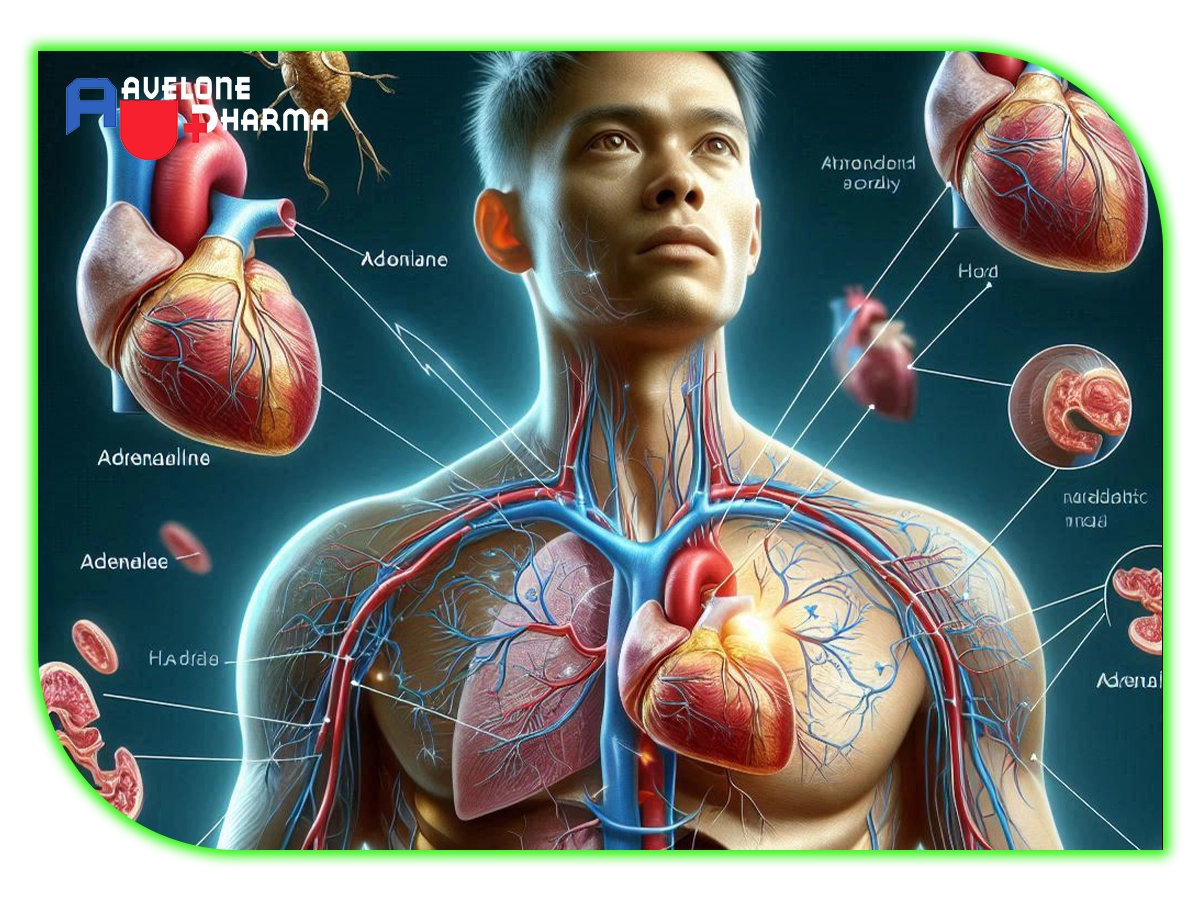
How Adrenaline Increases Heart Rate
Adrenaline binds to beta-adrenergic receptors in the heart, specifically the beta-1 receptors. This interaction increases the rate at which the heart beats, known as the chronotropic effect, and the force of each contraction, known as the inotropic effect. These changes improve the delivery of oxygen and nutrients to the muscles and brain, which is essential during stress or emergencies.
How Adrenaline Works in the Body
Adrenaline acts as a messenger, rapidly activating the body’s systems to respond to immediate challenges. It prepares the body for quick action and increases the chances of survival in threatening situations. However, while this response is beneficial in short bursts, chronic exposure to high levels of adrenaline due to prolonged stress can have negative health effects.
Too Much Adrenaline: Symptoms and Effects
While adrenaline is essential for managing short-term stress and emergencies, having too much adrenaline in the body over an extended period can lead to various physical and psychological symptoms. This condition, often caused by chronic stress, anxiety disorders, or certain medical conditions like pheochromocytoma (a rare tumor of the adrenal glands), can have detrimental effects on overall health. Here’s a closer look at the symptoms and consequences of excessive adrenaline: Physical Symptoms of Excess Adrenaline are:
- Rapid Heart Rate (Tachycardia): One of the most common symptoms of too much adrenaline is an elevated heart rate, even at rest. This can lead to palpitations and a feeling of the heart pounding in the chest.
- High Blood Pressure (Hypertension): Chronic adrenaline release can cause sustained high blood pressure, increasing the risk of cardiovascular problems such as heart disease and stroke.
- Sweating and Hot Flashes: Excess adrenaline can activate sweat glands, causing excessive sweating, especially in stressful situations or without apparent reason.
- Headaches: The increased blood pressure and muscle tension caused by too much adrenaline can lead to frequent headaches or migraines.
- Shaking or Tremors: Adrenaline stimulates the nervous system, resulting in uncontrollable shaking or tremors in the hands or other parts of the body.
- Shortness of Breath: Excess adrenaline can cause rapid breathing or hyperventilation, leading to feelings of breathlessness, even when not physically active.
- Digestive Issues: Adrenaline diverts blood away from the digestive system, which can lead to symptoms such as nausea, stomach cramps, or even diarrhea.
- Muscle Tension or Pain: Adrenaline prepares the muscles for action, and prolonged exposure can cause muscle tightness, pain, or even spasms, particularly in the neck, shoulders, and back.
- Fatigue and Insomnia: Constant high adrenaline levels can disrupt sleep patterns, making falling or staying asleep difficult. This can lead to chronic fatigue and a decreased ability to manage stress.
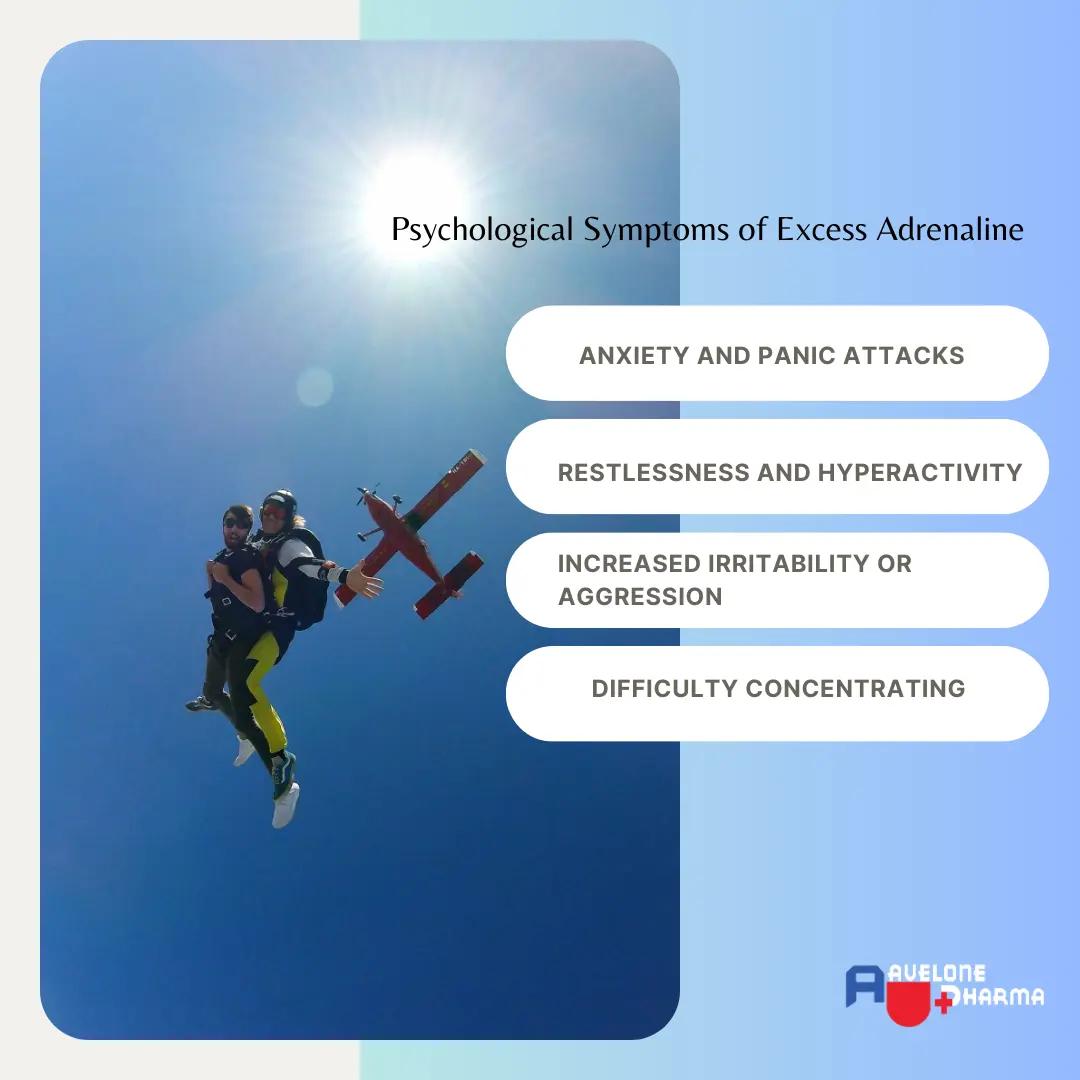
And Psychological Symptoms of Excess Adrenaline are:
- Anxiety and Panic Attacks: Too much adrenaline can overstimulate the nervous system, leading to feelings of anxiety or panic attacks. Symptoms may include an overwhelming sense of fear, rapid heartbeat, shortness of breath, and a feeling of impending doom.
- Restlessness and Hyperactivity: Excessive adrenaline can make it difficult to relax or sit still, leading to restlessness, irritability, and difficulty focusing on tasks.
- Increased Irritability or Aggression: High adrenaline levels can heighten emotions, making individuals more prone to irritability, anger, or aggressive behavior.
- Difficulty Concentrating: The constant alertness caused by too much adrenaline can make it hard to concentrate, focus, or remember things clearly.
Managing Symptoms of Too Much Adrenaline
If you are experiencing symptoms of excessive adrenaline, it’s essential to address the underlying causes. Here are some strategies to help manage and reduce high adrenaline levels:
- Stress Management Techniques
- Regular Exercise
- Healthy Diet
- Adequate Sleep
- Therapy and Counseling
- Medical Intervention
Stress Management Techniques
Deep breathing exercises, meditation, yoga, and mindfulness can help lower adrenaline levels by promoting relaxation and reducing stress.
Regular Exercise
Physical activity helps regulate the release of adrenaline and other stress hormones, reducing overall levels in the body.
Healthy Diet
Eating a balanced diet, avoiding caffeine and sugar, and staying hydrated can help stabilize adrenaline levels.
Adequate Sleep
Prioritizing good sleep hygiene can help lower stress hormones and reduce adrenaline over time.
Therapy and Counseling
Cognitive-behavioral therapy (CBT) and other therapeutic approaches can help address anxiety, stress, and other psychological issues contributing to high adrenaline levels.
Medical Intervention
In cases where high adrenaline is caused by an underlying medical condition, such as a pheochromocytoma, treatment may involve medications or surgery as recommended by a healthcare professional.

Where is Adrenaline Produced?
Adrenaline, also known as epinephrine, is produced in the adrenal glands, small, triangular-shaped glands that sit on top of each kidney. These glands are crucial to the body’s endocrine system, producing hormones regulating critical bodily functions.
Adrenal Glands: Structure and Function
The adrenal glands have two distinct parts, each with different functions:
- Adrenal Cortex: The outer part of the adrenal gland produces corticosteroids like cortisol and aldosterone, which help regulate metabolism, immune response, and blood pressure.
- Adrenal Medulla: The inner part of the adrenal gland, where adrenaline (epinephrine) and noradrenaline (norepinephrine) are produced. The adrenal medulla is part of the body’s sympathetic nervous system, which plays a vital role in the “fight-or-flight“ response.
How Adrenaline is Produced
Adrenaline is synthesized in the adrenal medulla from the amino acid tyrosine. The process involves several steps:
- Tyrosine Conversion: Tyrosine is first converted into L-DOPA, which is then transformed into dopamine.
- Dopamine to Noradrenaline: Dopamine is then converted into noradrenaline (norepinephrine).
- Noradrenaline to Adrenaline: An enzyme called phenylethanolamine N-methyltransferase (PNMT) converts noradrenaline into adrenaline (epinephrine).
Steroids and Their Effect on Adrenaline Levels
Steroids, particularly corticosteroids like prednisone, do not directly increase or decrease adrenaline levels in the body. However, they can influence the body’s response to stress and the function of the adrenal glands, which produce adrenaline.
Anabolic steroids, which are different from corticosteroids, primarily affect testosterone levels and muscle growth. They don’t have a direct impact on adrenaline production but can affect mood and behavior, which may indirectly influence the body’s stress response.
Conclusion
Adrenaline is a remarkable hormone that plays a critical role in the body’s response to stress and danger. It orchestrates the “fight-or-flight“ reaction that helps us react swiftly in challenging situations. Produced in the adrenal glands and released in response to perceived threats, adrenaline prepares the body for action by increasing heart rate, expanding airways, and boosting energy levels. Understanding how adrenaline works offers insight into its powerful effects on the mind and body and how it can be harnessed effectively in medical emergencies, such as anaphylaxis.
However, while adrenaline is essential for survival in acute situations, chronic overproduction due to ongoing stress can lead to adverse health outcomes, such as anxiety, high blood pressure, and other cardiovascular issues. It’s essential to recognize the symptoms of excessive adrenaline and implement strategies to manage stress and maintain balance.
This article has explored the multifaceted nature of adrenaline, from understanding where it is produced to recognizing the symptoms of too much adrenaline. Whether you’re curious about the biological processes behind an adrenaline rush or interested in its medical applications, knowing how adrenaline works can empower you to manage stress and overall health better.
Healthy lifestyle habits like regular exercise, meditation, and a balanced diet can help regulate adrenaline levels and support well-being. Remember, when it comes to managing stress or health conditions related to adrenaline, consulting with a healthcare professional is always the best course of action.
Frequently Asked Questions (FAQs)
-
How does adrenaline work in the body during stressful situations?
Adrenaline, produced by the adrenal glands, prepares the body for the “fight-or-flight“ response during stress. It increases heart rate, dilates airways, and boosts energy levels by releasing glucose into the bloodstream, enabling quick physical and mental reactions.
-
What are the symptoms of having too much adrenaline in the body?
Excess adrenaline can cause symptoms such as rapid heart rate, high blood pressure, sweating, headaches, anxiety, tremors, and difficulty sleeping. Prolonged exposure to high adrenaline levels may lead to chronic health issues like hypertension and anxiety disorders.
-
Where is adrenaline produced in the body?
Adrenaline is produced in the adrenal medulla, the inner part of the adrenal glands located on top of the kidneys. During stressful situations, it is released into the bloodstream in response to signals from the brain.
Sources:
- National Institutes of Health (NIH). “Adrenal Gland: Function and Hormones.” Available at: NIH
- Mayo Clinic. “Understanding the Role of the Adrenal Glands.” Available at: Mayo Clinic
- Endocrine Society. “Adrenal Glands and Their Function.” Available at: Endocrine Society
