

Creating a “First Aid” Kit for Bodybuilders
October 6, 2023
How Does Omega-3 Help Heart Health? Exploring the Benefits
November 6, 2023
Have you ever wondered what the most effective treatment for managing type 2 diabetes is? With so many medications, lifestyle changes, and new advancements in treatment options, it can be overwhelming to figure out the best course of action. The good news is that significant progress has been made in recent years, providing people with more options to manage their condition. Whether you’re newly diagnosed or have been managing type 2 diabetes for a while, choosing the best antidiabetic treatment for type 2 diabetes is critical to maintaining a healthy life.
In my experience working with individuals managing type 2 diabetes, I’ve seen firsthand how critical it is to find the proper antidiabetic treatment. I remember one client who was struggling with their blood sugar levels despite trying multiple oral medications. After much frustration and numerous doctor visits, they were introduced to combination therapy, which included both an oral medication and an injectable treatment. This change significantly improved their blood sugar control and, more importantly, their overall quality of life.
This experience taught me that what works best for one person may not work well for another. Finding what works most effectively often requires a combination of treatments—sometimes including lifestyle changes like diet and exercise—which has highlighted the importance of having access to diverse treatment options, including newer medications that offer fewer side effects or a more convenient dosing schedule.
This article will explore the top oral and injectable medications and the latest breakthroughs in type 2 diabetes treatment. You’ll also learn about combination therapies, lifestyle changes, and natural remedies that could complement your treatment plan. Let’s dive into the best antidiabetic treatments available and how they can improve your health and well-being.
Next, we’ll explore the top diabetes treatments and compare some of the leading medications available today.
Top Antidiabetic Treatments for Type 2 Diabetes
When it comes to managing type 2 diabetes, there are a variety of effective medications available that help regulate blood sugar levels and improve insulin sensitivity. Choosing the proper antidiabetic treatment for type 2 diabetes depends on factors such as your health condition, the severity of your diabetes, and individual response to medications. Let’s explore some of the top treatment options, both oral and injectable.
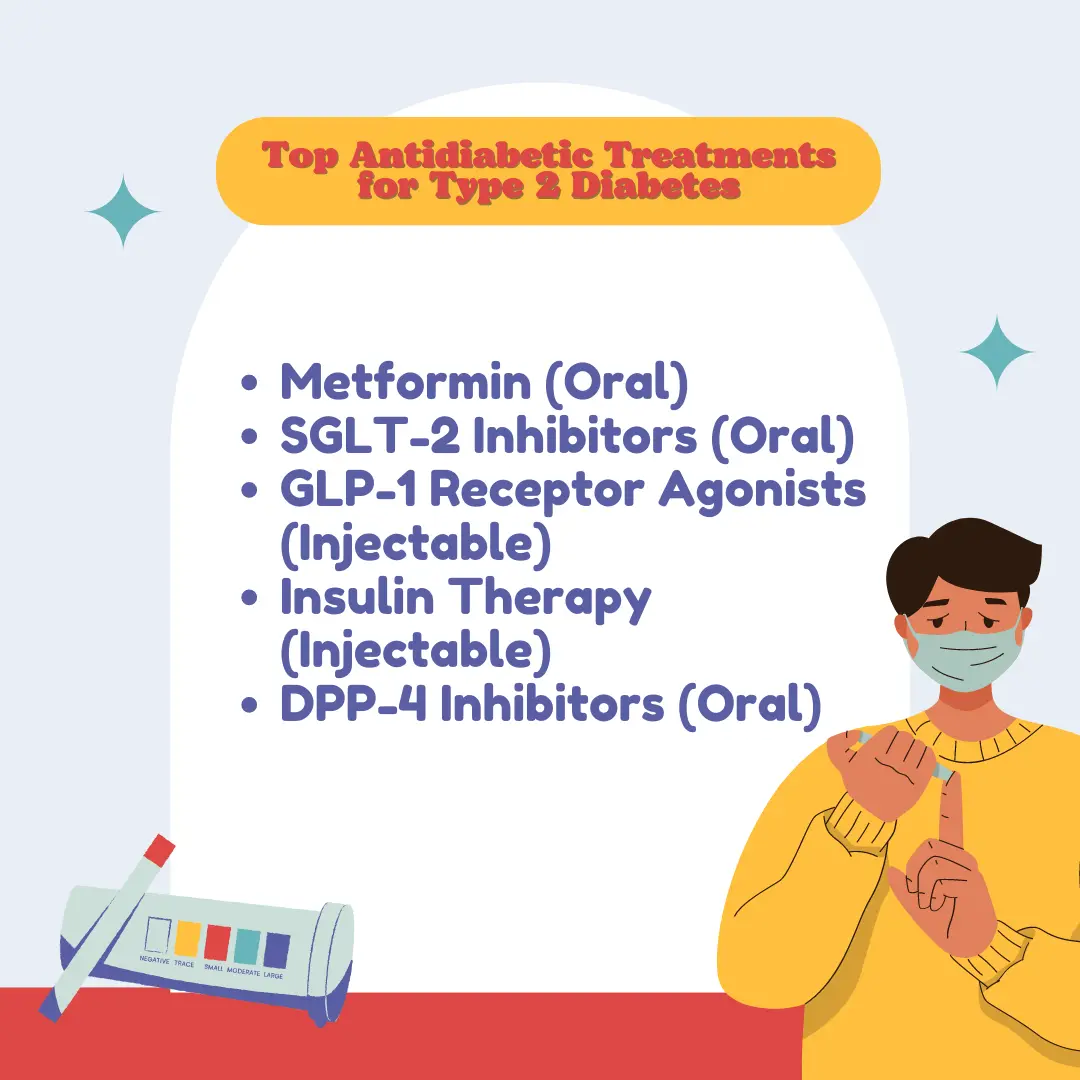
- Metformin (Oral)
- SGLT-2 Inhibitors (Oral)
- GLP-1 Receptor Agonists (Injectable)
- Insulin Therapy (Injectable)
- DPP-4 Inhibitors (Oral)
Metformin (Oral)
Metformin is often considered the first-line treatment for type 2 diabetes and is one of the most commonly prescribed oral medications. It reduces glucose production in the liver and improves the body’s sensitivity to insulin, allowing it to use glucose more effectively.
- Benefits: Metformin effectively lowers blood sugar levels, has a low risk of causing hypoglycemia (low blood sugar), and may help with weight management.
- Potential Side Effects: Some people may experience gastrointestinal issues such as nausea or diarrhea, but these side effects often decrease over time.
SGLT-2 Inhibitors (Oral)
SGLT-2 inhibitors, such as canagliflozin, dapagliflozin, and empagliflozin, are newer oral medications that work by helping the kidneys remove excess glucose from the body through urine. These drugs help lower blood sugar and offer cardiovascular and kidney protection, making them a good option for people with type 2 diabetes and heart or kidney issues.
- Benefits: They improve blood sugar control, reduce the risk of cardiovascular events, and promote weight loss.
- Potential Side Effects: There is a risk of urinary tract infections and dehydration due to increased urination.
GLP-1 Receptor Agonists (Injectable)
GLP-1 receptor agonists, such as liraglutide (Victoza) and liraglutide (Ozempic), are injectable medications that mimic the hormone GLP-1, stimulating insulin production and slowing digestion. These drugs help lower blood sugar levels after meals and have been shown to promote weight loss, making them an excellent option for those who struggle with weight management as part of their diabetes treatment.
- Benefits: Effective in lowering blood sugar, aids in weight loss, and provides cardiovascular benefits.
- Potential Side Effects: Some users experience nausea or gastrointestinal discomfort, especially when first starting the medication.
Insulin Therapy (Injectable)
For people whose blood sugar cannot be adequately controlled with oral medications alone, insulin therapy becomes crucial to managing type 2 diabetes. Depending on individual needs, different types of insulin are available, including long-acting, short-acting, and rapid-acting formulations.
- Benefits: Insulin therapy is highly effective at lowering blood sugar and is often necessary for individuals with advanced diabetes or those who no longer produce sufficient insulin naturally.
- Potential Side Effects: Hypoglycemia (low blood sugar) is a common side effect of insulin therapy, and proper management is required to avoid it.
DPP-4 Inhibitors (Oral)
DPP-4 inhibitors, such as sitagliptin (Januvia) and saxagliptin (Onglyza), are another class of oral medications used to treat type 2 diabetes. These drugs prevent the breakdown of GLP-1, a hormone that helps lower blood sugar levels after meals.
- Benefits: These medications are often well-tolerated and have a low risk of hypoglycemia.
- Potential Side Effects: While generally safe, some people may experience upper respiratory infections or gastrointestinal issues.
Sources:
- American Diabetes Association. “Standards of Medical Care in Diabetes.” Available at: Diabetes Care
- Mayo Clinic. “SGLT2 Inhibitors for Type 2 Diabetes.” Available at: Mayo Clinic
- National Institutes of Health (NIH). “GLP-1 Receptor Agonists for Diabetes Treatment.” Available at: NIH
Combination Therapy for Type 2 Diabetes
For many individuals with type 2 diabetes, a single medication may not be enough to keep blood sugar levels under control. This is where combination therapy comes into play. Combining two or more medications can enhance blood sugar control while targeting different mechanisms of action within the body. This approach is constructive for those who have not achieved optimal results from monotherapy (treatment with a single medication).
Learn more: How to Lose Fat Fast and Safely
What is Combination Therapy for Type 2 Diabetes?
Combination therapy refers to the use of multiple medications—either in a single pill or as separate treatments—to manage type 2 diabetes. It aims to use drugs that complement each other in regulating blood sugar levels, addressing different aspects of glucose control, such as insulin sensitivity, glucose production, and insulin secretion. This strategy often leads to better overall diabetes management and reduces the risk of complications.
Common Medications Used in Combination Therapy
Different antidiabetic medications can be combined to achieve optimal blood sugar control. This issue has been thoroughly discussed above.
Benefits of Combination Therapy
There are several key advantages to using combination therapy for type 2 diabetes:
- Better Blood Sugar Control: Combination therapy offers more comprehensive control than a single medication alone, targeting multiple pathways in regulating blood sugar.
- Lower Doses, Fewer Side Effects: Combining drugs can allow for lower doses of each medication, which may reduce the risk of side effects. For example, a combination of metformin and an SGLT-2 inhibitor may result in less gastrointestinal upset than high metformin doses alone.
- Reduced Risk of Complications: Better blood sugar control can reduce the risk of long-term complications associated with diabetes, such as cardiovascular disease, kidney damage, and nerve problems.

Potential Challenges of Combination Therapy
While combination therapy can be highly effective, it’s not without its challenges:
- Increased Cost: Using multiple medications can lead to higher costs, especially if newer, branded drugs are part of the combination. However, combination pills that include two medicines in one tablet can help reduce overall costs.
- Complexity in Dosing: Managing multiple medications requires careful attention to dosing schedules and can be more complex for patients. It’s essential to understand when and how to take each medication.
- Side Effects: While combination therapy can lower the risk of side effects by reducing individual drug doses, certain combinations may still lead to side effects like gastrointestinal issues or hypoglycemia, depending on the medications used.
When is Combination Therapy Recommended?
Combination therapy is typically recommended for individuals who have not achieved adequate blood sugar control with a single medication. It is also commonly used in cases where patients experience progressive diabetes, as type 2 diabetes often requires adjustments in treatment over time. Certain combinations can provide additional protective benefits for people with other health complications, such as cardiovascular disease or kidney issues.
Before starting combination therapy, healthcare providers will evaluate factors such as age, weight, overall health, and other medications to determine the most appropriate treatment strategy.
Natural Remedies for Type 2 Diabetes
What is Antidiabetic Treatment for Type 2 Diabetes naturally? In addition to traditional medications, many individuals with type 2 diabetes are exploring natural remedies to complement their treatment plan. While these remedies should not replace prescribed antidiabetic treatments, they can help manage blood sugar levels, improve overall health, and reduce the risk of complications. This section will explore some of the most popular natural remedies for type 2 diabetes, including dietary changes, supplements, and lifestyle modifications.
Cinnamon
Cinnamon is a commonly used spice studied for its potential to lower blood sugar levels. Research suggests that cinnamon may improve insulin sensitivity, which allows cells to use glucose more effectively. Some studies indicate that taking cinnamon as a supplement can reduce fasting blood sugar levels in people with type 2 diabetes. However, more research is needed to determine its long-term effects.
Cinnamon can be added to your diet in various ways, such as sprinkling it on oatmeal or smoothies. Cinnamon supplements are also available, but it’s essential to consult your healthcare provider before starting any supplementation.
Aloe Vera
Aloe vera is well-known for its anti-inflammatory properties but may also help lower blood sugar levels. Some studies suggest that aloe vera supplements or juice can help improve insulin sensitivity and reduce fasting blood sugar in people with type 2 diabetes. However, it’s essential to choose products specifically made for consumption and avoid products that contain added sugars.
Aloe vera juice can be consumed daily, but it’s essential to monitor blood sugar levels regularly and consult a healthcare provider to ensure safe use.
Apple Cider Vinegar
Apple cider vinegar has become a natural remedy for managing blood sugar. Studies have shown that consuming apple cider vinegar before meals can improve insulin sensitivity and lower post-meal blood sugar levels. The acetic acid in vinegar is believed to slow the digestion of carbohydrates, which helps prevent blood sugar spikes.
Dilute one to two tablespoons of apple cider vinegar in a glass of water and drink it before meals. Be sure to dilute it properly to avoid gastrointestinal discomfort and tooth enamel erosion.
Fenugreek
Fenugreek is an herb commonly used in cooking, especially in South Asian cuisine, but it also has medicinal properties. The seeds contain fiber and compounds that may help slow down carbohydrate digestion and absorption, improving blood sugar control. Some studies have found that fenugreek can reduce fasting blood sugar levels and improve glucose tolerance in people with type 2 diabetes.
Fenugreek seeds can be soaked in water overnight and consumed the following day. Fenugreek supplements are also available, but it’s best to consult a healthcare provider before adding them to your routine.
Exercise and Physical Activity
While not an herbal remedy, regular exercise is one of the most effective natural ways to improve insulin sensitivity and lower blood sugar levels. Physical activity helps muscles use glucose more efficiently, reducing blood sugar levels during and after exercise. Incorporating walking, swimming, cycling, or strength training into your daily routine can improve overall diabetes management.
Types of Exercise
A combination of aerobic exercise (e.g., walking, swimming) and strength training (e.g., weightlifting, resistance bands) provides the best results for managing blood sugar. Aim for at least 30 minutes of moderate exercise most days of the week.
Bitter Melon
Bitter melon is a tropical fruit commonly used in Asian and African cuisines. It has been studied for its potential ability to lower blood sugar levels. Compounds in bitter melon may mimic insulin and help transport glucose into cells, thus reducing blood sugar levels in people with type 2 diabetes. However, more research is needed to understand its effectiveness fully.
Bitter melon can be consumed in various forms, such as juice, supplements, or cooked in dishes. Due to its potent taste, many people prefer capsules or extracts.
Magnesium-Rich Foods
Magnesium is an essential mineral that plays a role in over 300 biochemical reactions in the body, including glucose regulation. Some research suggests that people with type 2 diabetes often have lower magnesium levels, which can impair insulin function and contribute to elevated blood sugar levels. Magnesium-rich foods can help improve insulin sensitivity and reduce the risk of diabetes complications.
Magnesium-rich foods include Leafy greens, nuts, seeds, whole grains, and legumes. These are excellent sources of magnesium, and adding them to your diet can support better blood sugar control.

Lifestyle Changes for Type 2 Diabetes Management
What is the other best Antidiabetic Treatment for Type 2 Diabetes? In addition to medications and natural remedies, lifestyle changes play a crucial role in managing type 2 diabetes. Adopting healthier habits can significantly improve blood sugar control, reduce the risk of complications, and enhance overall well-being. By incorporating these changes into your daily routine, you can take control of your condition and lead a healthier, more balanced life. Let’s explore fundamental lifestyle changes for type 2 diabetes management that can make a lasting difference.
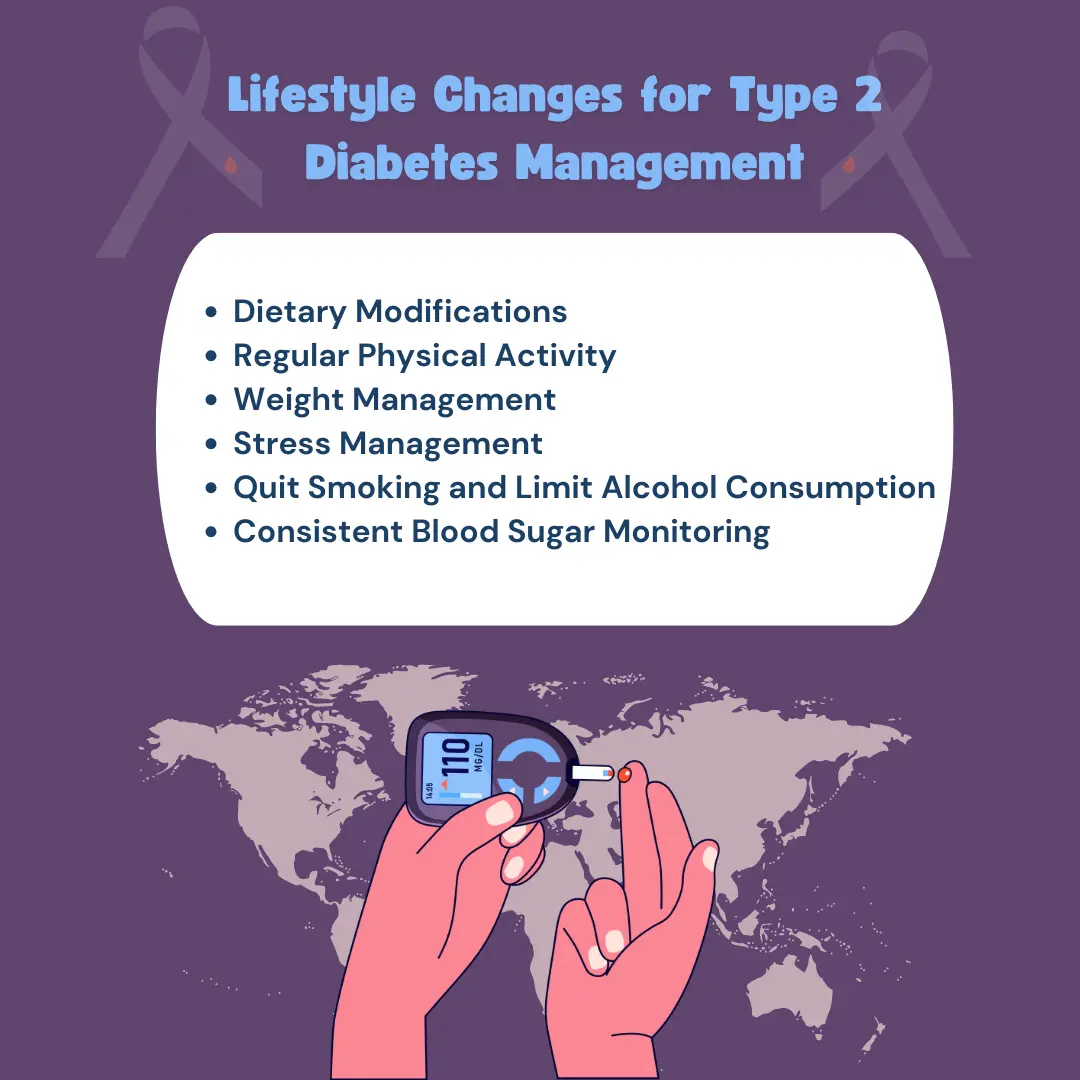
- Dietary Modifications
- Regular Physical Activity
- Weight Management
- Stress Management
- Quit Smoking and Limit Alcohol Consumption
- Consistent Blood Sugar Monitoring
Dietary Modifications
One of the most critical lifestyle changes for managing type 2 diabetes is adopting a balanced, nutrient-rich diet. What you eat directly affects your blood sugar levels, and making mindful food choices can help prevent spikes and maintain stable glucose levels.
Regular Physical Activity
Exercise is one of the most effective ways to improve insulin sensitivity and lower blood sugar levels. When you exercise, your muscles use glucose for energy, which helps reduce the amount of sugar in your bloodstream. Physical activity can also help manage weight, reduce insulin resistance, and improve cardiovascular health.
Weight Management
Maintaining a healthy weight is critical for managing type 2 diabetes. Excess weight, especially around the abdomen, can increase insulin resistance and make it more difficult to control blood sugar levels. Even modest weight loss—around 5% to 10% of your body weight—can significantly improve blood sugar control and reduce the need for medication.
Stress Management
Chronic stress can raise blood sugar levels by triggering the release of stress hormones, such as cortisol and adrenaline. Over time, high-stress levels can make it more difficult to manage diabetes and lead to complications. Stress-reduction techniques can help improve mental and physical health, making it easier to control blood sugar levels.
Quit Smoking and Limit Alcohol Consumption
Smoking and excessive alcohol consumption can exacerbate the complications of diabetes, such as heart disease and nerve damage. Quitting smoking and limiting alcohol can significantly improve overall health and help with blood sugar.
Consistent Blood Sugar Monitoring
Regularly checking your blood sugar levels is essential for managing type 2 diabetes. Monitoring lets you see how your body responds to foods, exercise, stress, and medications. You can make informed decisions about adjustments to your diet, activity, or medicines by tracking your levels.
Learn more: How to Develop Healthy Eating Habits
Conclusion
Managing type 2 diabetes requires a comprehensive approach that combines medication, lifestyle changes, and, in some cases, natural remedies. Effective management can significantly improve both short-term and long-term health outcomes, from understanding the best antidiabetic treatment to making healthier lifestyle choices.
Medications such as metformin, SGLT-2 inhibitors, and GLP-1 receptor agonists play crucial roles in blood sugar control. Still, they work best when complemented by lifestyle changes such as a balanced diet, regular exercise, stress management, and weight management. Natural remedies like cinnamon and aloe vera can provide additional support, although they should be part of an overall treatment plan.
Ultimately, the best approach to managing type 2 diabetes is personalized, and working closely with healthcare providers to find the right combination of medications, lifestyle changes, and alternative treatments is essential. By taking control of their diabetes management, individuals can lead healthier lives, reduce the risk of complications, and improve their overall quality of life.
Frequently Asked Questions (FAQs)
What is the best antidiabetic treatment for type 2 diabetes?
The best antidiabetic treatment for type 2 diabetes varies depending on individual needs and medical history. Common treatments include metformin, SGLT-2 inhibitors, GLP-1 receptor agonists, and combination therapies. These medications regulate blood sugar levels effectively and reduce the risk of complications.
Can natural remedies help manage type 2 diabetes?
Natural remedies such as cinnamon, aloe vera, and apple cider vinegar may help improve blood sugar control when used alongside prescribed antidiabetic treatments. However, it is essential to consult with a healthcare provider before incorporating any natural remedies into your diabetes management plan.
Where can I order the best medicine and supplement?
AavelonePharma has trusted medications. Adhering to the highest standards of purity and effectiveness, AavelonePharma’s products are used by individuals worldwide. Visit AavelonePharma’s official website to place your order.
