
Metformin for Longevity: Why Healthy People Are Taking Diabetes Meds
October 6, 2022
How to Treat Eczema Naturally, Symptoms, Causes
October 25, 2022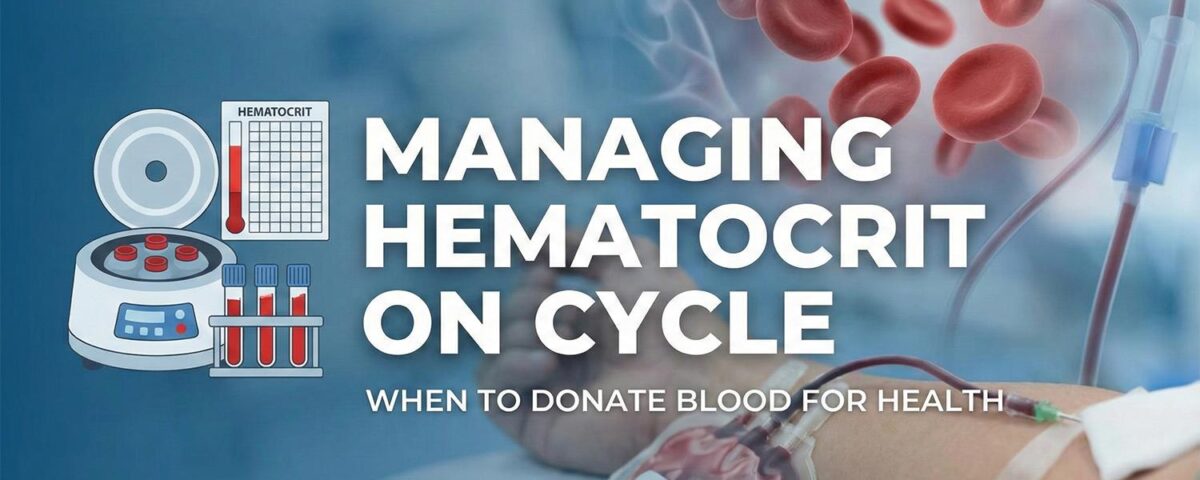
Of all the side effects associated with Performance Enhancing Drugs (PEDs), “thick blood” is the most insidious. You cannot see it in the mirror. You cannot feel it—until you have a headache, high blood pressure, or in the worst-case scenario, a blood clot.
The medical term is Polycythemia (or Erythrocytosis). It is the excessive production of red blood cells. For the endurance athlete, this is performance enhancement (think Lance Armstrong). For the bodybuilder lifting heavy weights with already high blood pressure, it is a cardiovascular ticking time bomb.
The standard advice in gym culture is simple: “Just go donate blood every 8 weeks.” This advice is incomplete and potentially dangerous. While phlebotomy is a necessary tool, abusing it can lead to crashed iron levels and exhaustion. This guide explains the balance between managing viscosity and maintaining vitality.
The Mechanism: Why Does Testosterone Thicken Blood?
To manage the issue, you must understand the pathway. Testosterone and other anabolic agents stimulate the kidneys to produce a hormone called Erythropoietin (EPO).
EPO travels to the bone marrow and signals the production of new Red Blood Cells (RBCs). These cells carry oxygen. More oxygen means better endurance and performance. However, there is a limit. When the concentration of RBCs becomes too high, the blood turns from a consistency like wine into a consistency like sludge.
This “sludge” forces the heart to pump significantly harder to push blood through the capillaries, raising blood pressure and increasing the risk of clotting events (stroke/embolism).
The Numbers: Hematocrit vs. Hemoglobin
When you get your Complete Blood Count (CBC) back, you need to look at two specific markers:
- Hemoglobin (Hgb): The protein in the blood that carries oxygen.Reference Range: 13.5 – 17.5 g/dL (Men)
- Hematocrit (Hct): The percentage of your blood volume that is made up of red blood cells. This is the “viscosity” metric.Reference Range: 41% – 50% (Men)
The Danger Zone
Most physicians get concerned when Hematocrit crosses 52%.
If Hematocrit crosses 54%, therapeutic phlebotomy (removing blood) is typically indicated immediately to reduce stroke risk.
The Solution: Therapeutic Phlebotomy
Donating blood (phlebotomy) is the fastest way to lower Hematocrit. Removing one pint (approx. 500ml) of whole blood typically drops Hematocrit by 3 to 5 points.
When to Donate?
Do not donate based on a calendar (e.g., “every 8 weeks”). Donate based on lab work.
If your Hematocrit is >53%, donate. If it is 49%, do not donate “just to be safe.” Why? Because of the Iron Trap.
The Trap: Crashing Your Ferritin
This is the most critical concept that most bodybuilders miss. Red blood cells are made of iron. When you drain a pint of blood, you are draining a significant amount of your body’s iron stores.
Ferritin is the protein that stores iron. If you donate blood too frequently, your Ferritin levels will crash, even if your Hematocrit remains high (because the exogenous testosterone keeps pushing RBC production regardless of iron status).
Symptoms of Crashed Ferritin (< 30 ng/mL):
- Extreme fatigue and lethargy (feeling like a zombie).
- Restless Leg Syndrome.
- Hair shedding.
- Weakness in the gym.
This creates a paradox: You have “high octane” blood (high RBCs) but no “spark” (low iron). You feel terrible, but you think you need to donate more because you assume the fatigue is from the “thick blood.” Do not make this mistake. Check your Ferritin levels before every donation.
Alternatives to Phlebotomy
If your Hematocrit is creeping up (e.g., 51-52%) but not yet in the danger zone, or if your Ferritin is too low to donate safely, utilize these management strategies.
1. Hydration is Key
Hematocrit is a percentage. If you are dehydrated, your plasma volume drops, and the percentage of RBCs relatively increases.
The Fix: Drink 1 liter of water and re-test. Many “high” readings are simply dehydration artifacts. Ensure you are taking adequate electrolytes.
2. Cardio and Naringin
Low-intensity cardio improves vascular efficiency. Additionally, some data suggests that Naringin (a bioflavonoid found in grapefruit) may help lower Hematocrit naturally by influencing the lifespan of red blood cells.
Note: Grapefruit interacts with many oral medications. Check interactions before using.
3. Lower the Dosage or Frequency
Stable levels produce less EPO than fluctuating peaks.
The Protocol: Switching from one large injection per week to micro-dosing (every other day or daily) prevents the massive “peak” that triggers the kidneys to spike EPO production. This is often enough to stabilize Hematocrit without donation.
For those looking to manage their overall health while on cycle, organ defense is just as important as blood viscosity. Explore our PCT & Organ Support Category for supplements that support kidney and liver function.
Angiotensin Receptor Blockers (ARBs)
For advanced users, specific blood pressure medications like Telmisartan or Losartan (ARBs) have a unique side effect: they can slightly lower Hematocrit. This is why they are often the preferred anti-hypertensive agent for enhanced bodybuilders.
However, relying on medication to fix side effects of other medications is a slippery slope. Consult a physician.
Conclusion
Managing Hematocrit is a balancing act. Let it get too high, and you risk a stroke. Donate too often, and you risk crashing your iron and destroying your performance.
The Golden Rule: Treat the numbers, not the calendar.
Get your CBC and Ferritin checked regularly. Only donate when your Hematocrit is >53% AND your Ferritin is >50 ng/mL. If you fall outside these parameters, adjust your hydration, injection frequency, or compound selection instead.
Your blood is the river of life; keep it flowing, but don’t drain the reservoir dry.
