

what is The best drug to increase performance in athletes
August 9, 2022
The 40-Year-Old Lifter: Adjusting Your Stack for Age
September 8, 2022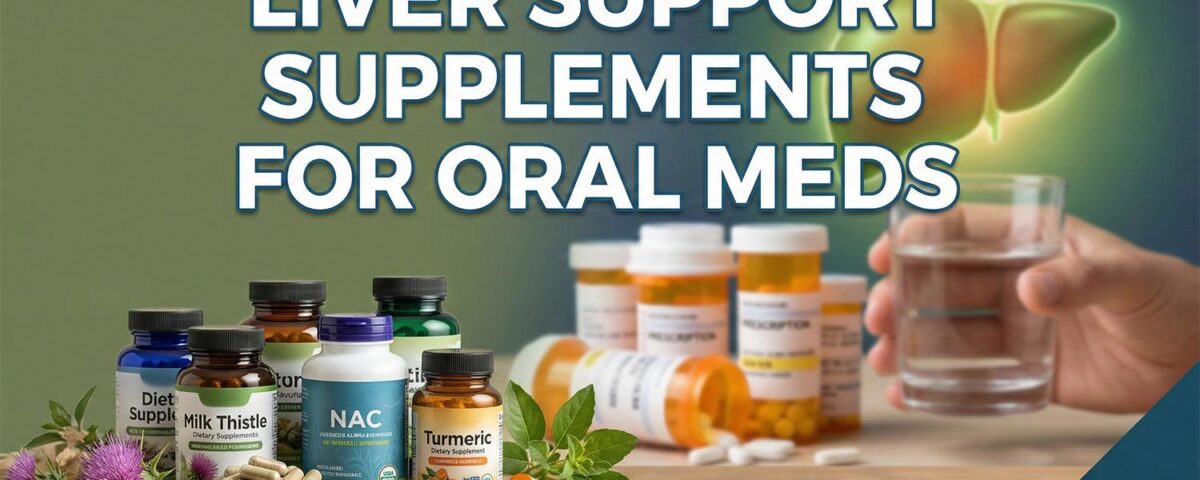
When it comes to performance enhancement, oral compounds are often the entry point. They are convenient, fast-acting, and effective. However, this convenience comes at a steep physiological price: Liver Toxicity.
Unlike injectables, which bypass the digestive system and enter the bloodstream directly, oral medications—whether they are anabolic steroids, prohormones, or even certain prescription drugs—must survive the “first pass” through the liver. To make this possible, chemists alter the molecular structure of the drug. While this allows the drug to work, it places immense stress on your body’s filtration system.
If you are running an oral cycle, “hoping for the best” is not a strategy. You need a targeted liver support protocol. This guide explains the mechanisms of hepatotoxicity and the clinical-grade supplements required to mitigate it.
The Science: Why Are Oral Meds Toxic?
To understand how to protect the liver, you must understand how it is being attacked. The liver is the body’s primary filtration system, designed to break down and neutralize foreign substances.
Most oral performance enhancers are 17-alpha-alkylated (17aa). This means a carbon atom has been added at the 17th position of the molecule. This structural change prevents the liver from deactivating the drug, allowing it to enter the bloodstream and exert its effects on muscle tissue.
[Image of liver first pass metabolism diagram]
However, because the liver cannot break the drug down easily, the drug accumulates, causing two primary issues:
- Hepatocellular Stress: Direct damage to liver cells, causing enzymes (AST/ALT) to leak into the bloodstream.
- Cholestasis: The slowing or blockage of bile flow. Bile becomes thick and sludge-like, backing up into the liver, which causes jaundice (yellowing of the skin/eyes) and severe toxicity.
Monitoring the Damage: AST vs. ALT
Before supplementing, you need to know what to look for on your blood work.
- ALT (Alanine Transaminase): This enzyme is found primarily in the liver. Elevated ALT is a specific indicator of liver stress.
- AST (Aspartate Transaminase): Found in the liver, but also in heart and muscle tissue. High AST alone can sometimes just mean you had a hard workout, but high AST and ALT together indicates liver toxicity.
- GGT & Bilirubin: If these are elevated alongside AST/ALT, it indicates cholestasis (bile blockage) and requires immediate attention.
The “Big Three” for Liver Defense
Forget generic “liver detox” teas found at the grocery store. Dealing with methylated oral compounds requires clinical-grade intervention. These are the three most proven ingredients.
1. TUDCA (Tauroursodeoxycholic Acid)
If you take only one supplement for liver health, make it TUDCA. It is a water-soluble bile salt that treats cholestasis directly.
How it works: TUDCA counteracts the toxicity of regular bile acids. It thins the bile, allowing it to flow freely from the liver into the intestines, preventing the backup that causes severe damage. It is widely considered the gold standard for oral cycle support.
- Typical Dosage: 500mg – 1,000mg per day.
2. NAC (N-Acetyl Cysteine)
NAC is the precursor to Glutathione, the body’s “master antioxidant.” The liver uses glutathione to neutralize toxins. Oral drugs deplete glutathione reserves rapidly; once they are gone, liver cell death begins.
How it works: NAC replenishes these glutathione stores, giving the liver the ammunition it needs to fight oxidative stress. It is also highly protective of the kidneys.
- Typical Dosage: 600mg – 1,200mg per day.
3. Milk Thistle (Silymarin)
The most famous liver supplement, but often misunderstood. Milk Thistle strengthens the outer membranes of liver cells, making it harder for toxins to penetrate them. It also stimulates protein synthesis within the liver, aiding in the regeneration of damaged tissue.
Note: Ensure your extract is standardized to at least 80% Silymarin for it to be effective.
Integration: When to Take Them
Timing matters. Many users make the mistake of taking their liver support at the exact same time as their oral medication. While the data is conflicting, some evidence suggests that potent antioxidants (like Silymarin) might slightly inhibit the uptake of the drug.
To be safe, take your liver support supplements 3 to 4 hours apart from your oral medication dosage.
For those currently planning a cycle, liver support is often found within comprehensive **Post Cycle Therapy (PCT)** protocols, as the recovery phase is when the liver must work overtime to restore homeostasis. You can find comprehensive support options in our PCT Category.
Alternatives to Oral Toxicity
The absolute best way to protect your liver is to bypass the first-pass metabolism entirely. This is why advanced users often graduate from orals to injectables or transdermals.
Furthermore, many athletes are now turning to Peptide Therapy. Peptides generally do not possess the 17-alpha-alkylated structure and therefore offer a much higher safety profile regarding organ stress. If you are looking for recovery and performance enhancement without the heavy hepatic load, consider exploring the Peptides Category.
Lifestyle Factors: Don’t Add Fuel to the Fire
Supplements are a shield, not a license to abuse your body. If you are taking oral meds that stress the liver, you must eliminate other stressors:
- Zero Alcohol: This is non-negotiable. Combining alcohol with oral anabolics is a recipe for acute liver failure.
- Avoid NSAIDs: Painkillers like Tylenol (Acetaminophen) are metabolized by the liver. Mixing them with orals increases the toxic load significantly.
- Hydration: The liver requires water to filter waste. Aim for a minimum of 4 liters per day.
Conclusion
The liver is incredibly resilient; it is the only organ capable of regenerating itself. However, it is not invincible. 17-alpha-alkylated compounds place a specific, heavy demand on your biology that requires a specific solution.
By utilizing TUDCA to maintain bile flow and NAC to replenish antioxidant reserves, you can significantly mitigate the risks associated with oral protocols. Treat your organ health with the same discipline you treat your training; without a functioning liver, your physique goals are irrelevant.
