

How to Treat Eczema Naturally, Symptoms, Causes
October 25, 2022
How to Read a COA (Certificate of Analysis) Like a Pro
November 4, 2022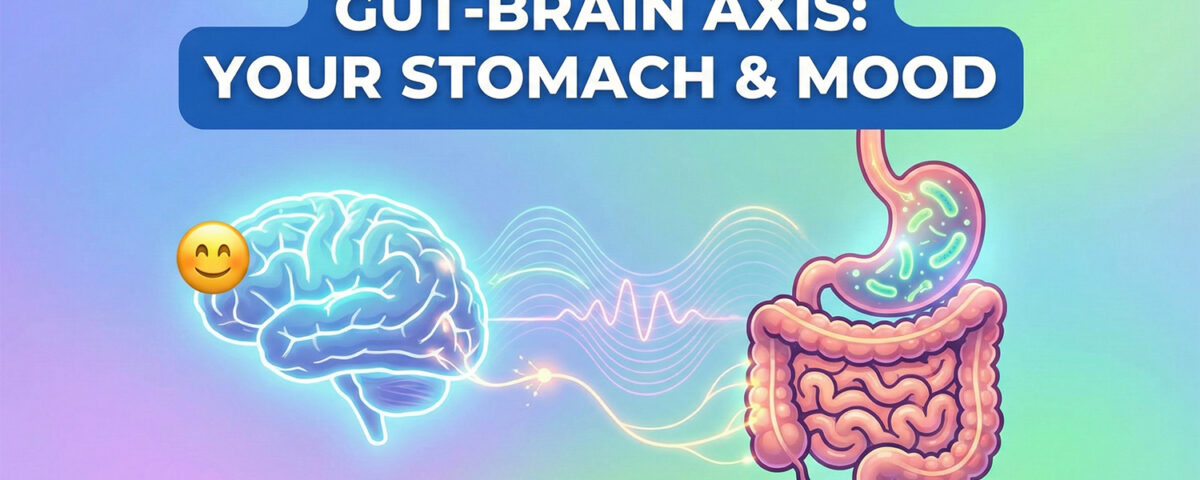
We use phrases like “gut instinct,” “butterflies in the stomach,” and “gut-wrenching” to describe our emotions. For centuries, language has hinted at a biological reality that science is only now fully mapping: Your stomach and your brain are intimately connected.
For decades, neurology focused solely on the head. If you were depressed or anxious, the problem was assumed to be strictly in the brain. Today, we know this is incomplete. The gut is often called the “Second Brain” (the Enteric Nervous System), and it possesses the power to influence your mood, cognition, and stress resilience.
This biological superhighway is called the Gut-Brain Axis. Understanding how it works is arguably the most important breakthrough in modern mental health. This guide explores the mechanisms behind the connection and how optimizing your microbiome can be the missing link in your mental wellness protocol.
The Anatomy of the Connection: The Vagus Nerve
The gut and brain are not just chemically connected; they are physically wired together. The primary cable is the Vagus Nerve.
This massive nerve travels from the brainstem down to the colon. It functions as a bidirectional information highway. While the brain sends signals down (telling the gut to digest), 90% of the fibers in the Vagus Nerve carry information up from the gut to the brain.
Why this matters:
If your gut is in distress—whether from bloating, dysbiosis, or inflammation—it sends constant “danger” signals up the Vagus Nerve. These signals hit the brain and are interpreted as anxiety or a vague sense of unease, often without a conscious trigger.
The Neurotransmitter Factory: Where is Your Serotonin?
Ask most people where Serotonin (the “feel-good” hormone) is made, and they will point to their head. They are wrong.
Approximately 90-95% of your body’s serotonin is produced in the gut, not the brain.
Specialized cells in the gut lining called enterochromaffin cells produce serotonin to regulate bowel movements. However, gut bacteria also regulate the availability of Tryptophan, the amino acid precursor required to build serotonin.
- The Dysbiosis Link: If you lack the specific bacteria needed to metabolize tryptophan, your body cannot produce adequate serotonin. This chemical shortage can manifest as depression, irritability, and sleep disturbances.
- GABA Production: Certain strains of bacteria (like Lactobacillus rhamnosus) have been shown to produce GABA, the neurotransmitter that calms the nervous system. A lack of these bacteria is strongly linked to anxiety disorders.
Looking to support your neurotransmitter baseline? Explore our Mental Health & Nootropics collection for targeted cognitive support.
The Inflammation Theory of Depression
One of the most compelling areas of research is the link between “Leaky Gut” and brain fog.
When the intestinal lining is compromised (Leaky Gut), bacterial toxins called Lipopolysaccharides (LPS) escape into the bloodstream. The immune system identifies these toxins and launches an inflammatory attack, releasing chemicals called cytokines.
The Effect on the Brain:
Systemic inflammation can cross the Blood-Brain Barrier. When the brain is inflamed, it shuts down production of new neurons (neurogenesis) and alters mood. This is known as “Sickness Behavior”—the lethargy, withdrawal, and low mood you feel when you have the flu. Chronic gut inflammation keeps you in this state permanently.
Psychobiotics: The Future of Psychiatry?
This research has given rise to a new class of supplements known as Psychobiotics—probiotics specifically selected for their mental health benefits.
Unlike generic probiotics for bloating, psychobiotics are chosen for their ability to produce neuroactive substances or lower cortisol. Key strains gaining attention in clinical trials include:
- Bifidobacterium longum: Shown in studies to reduce cortisol levels and subjective stress.
- Lactobacillus helveticus: Often paired with B. longum to improve mood and reduce anxiety-like behaviors.
- Lactobacillus plantarum: Known for increasing dopamine and serotonin levels in animal models.
Ready to optimize your microbiome? Browse our Digestive Health category for pharmaceutical-grade probiotics and gut repair agents.
Dietary Interventions for the “Second Brain”
You cannot out-supplement a diet that destroys the gut lining. To heal the axis, you must feed the microbiome.
1. Fermented Foods (The Seeds)
Incorporating Kefir, Kimchi, and Sauerkraut provides a continuous supply of live bacteria to reinforce the ecosystem.
2. Prebiotic Fibers (The Fertilizer)
Bacteria need fuel. Foods high in inulin and resistant starch (garlic, onions, asparagus, green bananas) ferment in the colon to produce Short-Chain Fatty Acids (SCFAs) like Butyrate. Butyrate is essential for repairing the Blood-Brain Barrier.
3. Polyphenols (The Modulators)
Dark chocolate, berries, and green tea act as prebiotics specifically for beneficial bacteria while inhibiting pathogens. They essentially “weed and feed” the garden.
The Protocol: Reconnecting the Signal
If you suspect your mood issues are rooted in your digestion, a comprehensive approach is required.
- Remove the Irritants: Eliminate alcohol, processed sugar, and seed oils for 4 weeks to lower inflammation.
- Repair the Lining: Utilize compounds like L-Glutamine and Zinc Carnosine to seal the gut barrier.
- Re-inoculate: introduce a high-quality, multi-strain probiotic or targeted psychobiotic.
- Manage Stress: Since the Vagus Nerve is bidirectional, stress shuts down digestion. Practice diaphragmatic breathing before meals to switch your body into “Rest and Digest” mode.
Conclusion: It’s All Connected
Separating mental health from digestive health is a relic of outdated medicine. The Gut-Brain Axis proves that you cannot have a healthy mind inside an inflamed body.
By treating the gut as the foundation of your neurology, you open up new pathways for healing. Whether you are battling brain fog, anxiety, or just general fatigue, the solution may not be in your head—it may be on your plate.
Ensure your foundation is solid. Visit Aavelone Pharma for Gut Health Solutions and Cognitive Support products verified for purity and potency.
