
Antidiabetic Meds Help Non-Diabetics Lose Weight?
October 17, 2025
CBD Oil Supplement: Benefits, Uses, Safety & How to Choose the Best CBD Oil
November 8, 2025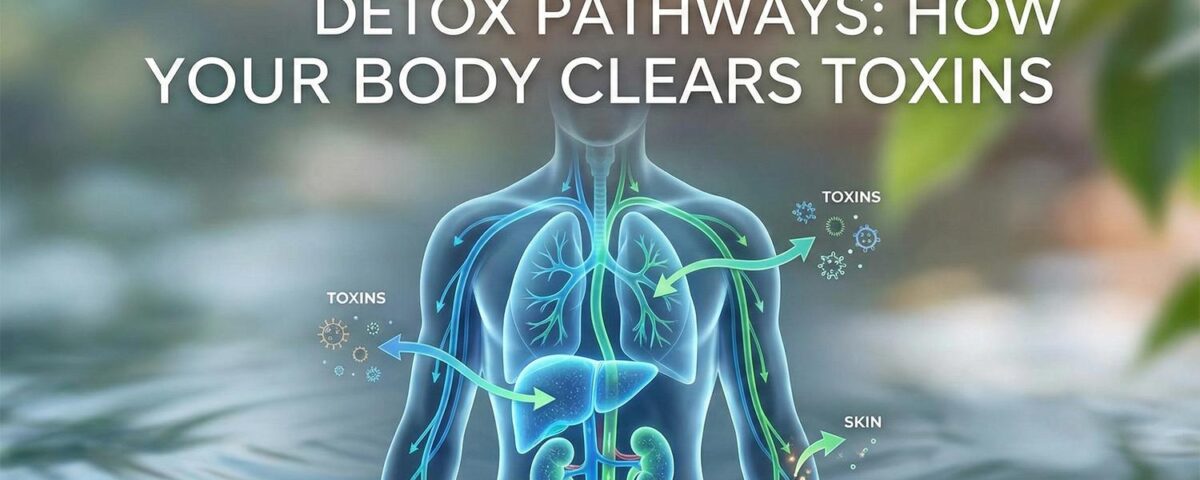
The word “detox” has been hijacked. It has been plastered onto boxes of laxative teas, juice cleanses, and foot pads that turn black when wet. In the medical and scientific community, these products are viewed with skepticism—and rightfully so.
However, the concept of detoxification is real. It is a biological imperative. Your body is constantly under siege from internal waste (metabolic byproducts) and external stressors (pollution, alcohol, pharmaceuticals). If your body stopped “detoxing” for even a few hours, you would die.
Real detoxification isn’t about drinking celery juice for a week; it is about optimizing the specific enzymatic pathways in the liver, kidneys, and lymphatic system. This article strips away the marketing fluff and explains the biochemistry of how your body clears waste—and how you can support it.
The Liver: The Grand Central Station of Detox
The liver is the primary filtration organ. It takes fat-soluble toxins (which are difficult to excrete) and converts them into water-soluble compounds (which can be peed or pooped out). This process happens in two distinct phases.
Phase 1: Bioactivation (The “Unlocking” Phase)
In Phase 1, a family of enzymes called Cytochrome P450 acts on the toxin. Through oxidation, reduction, or hydrolysis, the chemical structure of the toxin is changed.
The Danger Zone: Crucially, Phase 1 often makes the toxin more toxic and reactive than it was originally. It creates a “reactive intermediate” (a free radical). If your detox stops here, you are in trouble. This is why “boosting” liver function without supplying antioxidants is dangerous.
Phase 2: Conjugation (The “Packaging” Phase)
This is where the magic happens. The liver takes that highly reactive intermediate from Phase 1 and binds it to another molecule to neutralize it. This makes the toxin water-soluble.
There are several pathways in Phase 2, each requiring specific nutrients:
- Glutathione Conjugation: The “master pathway.” Requires Cysteine (from NAC), Glycine, and Glutamine.
- Sulfation: Requires sulfur-rich foods or supplements like MSM.
- Glucuronidation: Requires glucuronic acid (often depleted by aspirin and sedatives).
- Methylation: Requires B-Vitamins (Folate, B12, B6) and SAMe.
The Bottleneck: Most modern diets and lifestyles ramp up Phase 1 (due to caffeine, alcohol, exhaust fumes) but deplete the nutrients needed for Phase 2. This leads to “Pathological Detoxification,” where toxic intermediates build up, causing oxidative stress and inflammation.
The Kidneys: The Filtration Plant
Once the liver has done the heavy lifting of making toxins water-soluble, the kidneys take over. They filter about 150 quarts of blood every day to sift out waste products, which leave the body as urine.
However, the kidneys are delicate. They are easily damaged by:
- Dehydration: Without water, the concentration of toxins rises, damaging the delicate nephrons (filters).
- High Blood Pressure: The force of blood flow can scar the filtration units.
- Heavy Metals & NSAIDs: Chronic use of painkillers puts immense strain on renal function.
Supporting the kidneys is less about chemical pathways and more about flow. Electrolyte balance and adequate hydration are non-negotiable.
The Lymphatic System: The Sewer with No Pump
While the heart pumps blood, nothing pumps lymph. The lymphatic system is a network of vessels that carries cellular waste away from tissues and into the bloodstream for disposal. It relies entirely on muscular contraction and breathing to move fluid.
If you are sedentary, your lymph creates a swamp. This stagnation leads to fluid retention, inflammation, and a buildup of metabolic waste products in the tissue.
Supporting the Pathways: A Scientific Approach
So, how do we actually “detox”? We don’t starve ourselves. We feed the pathways.
1. Boost Glutathione (For Phase 2 Liver Support)
You cannot effectively detox heavy metals or environmental pollutants without Glutathione. Since oral glutathione is poorly absorbed, we use precursors.
- NAC (N-Acetyl Cysteine): The rate-limiting building block for glutathione. Clinical studies show it protects the liver from toxicity.
- Glycine: An amino acid that is often deficient in muscle-meat heavy diets.
For those utilizing pharmaceuticals or managing high metabolic stress, ensuring liver enzymes are supported is critical. Explore our PCT & Organ Support Category for NAC and other liver-defense compounds.
2. Bile Flow with TUDCA (For Phase 3)
Phase 3 is the physical transport of the waste out of the liver and into the intestines via bile. If your bile is thick or sluggish (Cholestasis), the toxins get reabsorbed.
TUDCA (Tauroursodeoxycholic Acid) is a water-soluble bile salt that thins the bile, ensuring that the “trash” actually leaves the building. It is arguably the most powerful supplement for restoring liver flow.
3. Manage Methylation
If you have a genetic mutation (MTHFR) or are deficient in B-Vitamins, your methylation pathway slows down. This impairs your ability to process estrogen and neurotransmitters.
The Fix: Use methylated B-Vitamins (Methyl-Folate and Methyl-Cobalamin) rather than synthetic Folic Acid.
4. Metabolic Efficiency
Fat tissue stores toxins. The more adipose tissue you carry, the larger your “toxic load” capacity. Losing body fat is a form of detoxification, as it liberates stored compounds to be processed.
However, rapid weight loss releases these toxins into the blood all at once. If you are undertaking a weight loss phase, it is vital to have your detox pathways supported *before* you start burning fat. View our Metabolic Health Category for tools to support safe and effective fat loss.
What to Avoid: The Detox Saboteurs
You cannot bail out a sinking boat if you don’t plug the hole. To optimize pathways, reduce the incoming load.
- Alcohol: It monopolizes the liver. When you drink, all other detox processes pause until the alcohol is cleared.
- Xenoestrogens: Plastics (BPA) and parabens in skincare mimic estrogen and clog up the Phase 2 sulfation pathway.
- Sugar: Excess Fructose causes fatty liver disease, physically clogging the organ with visceral fat.
Conclusion
Your body is an incredibly sophisticated cleaning machine. It does not need a “cleanse” that involves starving yourself for three days. It needs the raw materials—amino acids, sulfur, vitamins, and water—to run its enzymatic machinery.
True detoxification is a daily discipline. By supporting Phase 2 conjugation with NAC, ensuring bile flow with TUDCA, and keeping your kidneys flushed, you empower your body to do what it was designed to do: keep you clean from the inside out.
