

The Role of Analgesics in Acute Injury Treatment
February 6, 2024
Date Night Confidence: Timing Your Dosage for Maximum Effect
February 18, 2024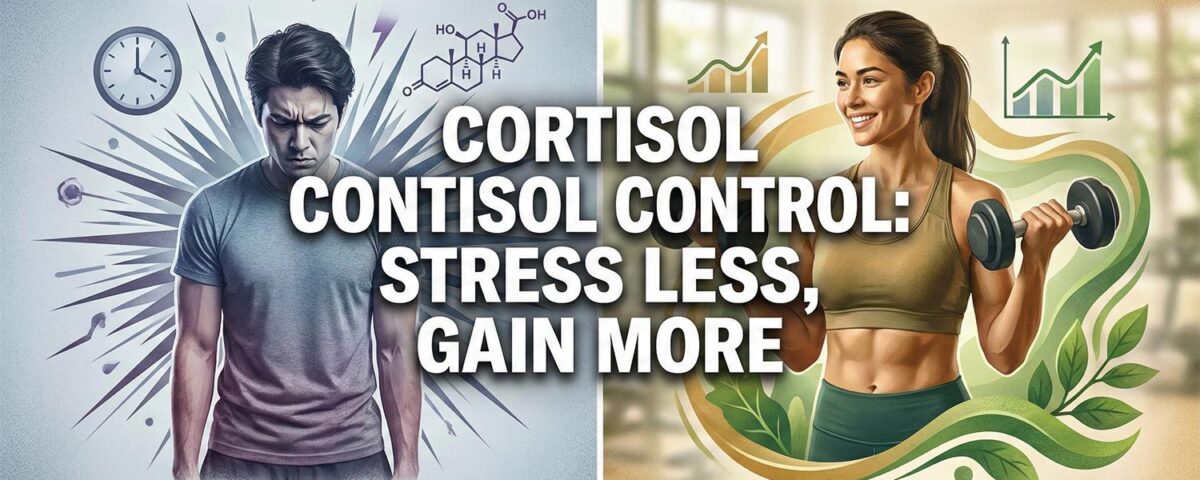
You hit your macros perfectly. You never miss a workout. You take your creatine. Yet, your physique has stalled. You look “flat” in the gym, you are holding water in your midsection, and your recovery feels non-existent.
The problem likely isn’t your workout program; it’s your hormones. Specifically, it is the body’s primary stress hormone: Cortisol.
In the bodybuilding world, Testosterone is the king of anabolism (building up), but Cortisol is the king of catabolism (breaking down). If these two opposing forces are out of balance, no amount of protein powder can save you. This article explains the biochemistry of stress, how it physically destroys muscle tissue, and the specific protocols required to bring your body back into an anabolic state.
The Science: What Is Cortisol?
Cortisol is a steroid hormone produced by the adrenal glands. It is not inherently “bad.” In fact, without it, you would die. It wakes you up in the morning, reduces inflammation, and mobilizes energy during intense exercise.
The issue arises when cortisol remains chronically elevated. This shifts your body into a sympathetic state (fight or flight) 24/7. When this happens, your body perceives that it is in a survival scenario.
The Survival Mechanism:
- Muscle Wasting: Your body breaks down muscle tissue into amino acids to convert them into glucose (sugar) for immediate energy. This process is called gluconeogenesis. Essentially, you are burning your own biceps for fuel.
- Fat Storage: To protect vital organs, high cortisol signals the body to store fat specifically in the abdominal area (visceral fat).
- Testosterone Suppression: Cortisol and Testosterone have an inverse relationship. As cortisol rises, testosterone plummets.
Signs Your Cortisol is Killing Your Gains
You cannot manage what you do not measure. While blood work is the gold standard, your body gives clear signals when it is overloaded with stress.
1. The “Wired but Tired” Phenomenon
You are exhausted all day, but as soon as your head hits the pillow at 10 PM, your mind starts racing. This indicates a “flipped” cortisol curve—low in the morning (when it should be high) and high at night (when it should be low).
2. Stubborn Visceral Fat
If you are lean everywhere else but cannot lose the layer of fat over your abs, this is a hallmark of cortisol dominance. Visceral fat tissue has four times more cortisol receptors than subcutaneous fat.
3. Loss of the “Pump”
High stress causes vasoconstriction (narrowing of blood vessels) and depletes glycogen. If your muscles feel flat and stringy despite eating carbohydrates, stress is preventing that fuel from being stored in the muscle.
Training Strategies: Don’t Dig a Deeper Hole
Many athletes respond to a stall in progress by training harder. If cortisol is the issue, this is the worst possible reaction.
The 45-Minute Rule:
Clinical data suggests that testosterone levels peak around 30–45 minutes into a resistance training session. After 60 minutes, testosterone drops, and cortisol begins to spike sharply. If you are doing 2-hour marathon gym sessions while stressed, you are doing more harm than good.
Action Step: Cap your workouts at 60 minutes of high-intensity work. Get in, stimulate the muscle, and get out to start recovery.
Nutritional & Supplement Protocols
Dietary interventions are powerful tools for modulating the adrenal response. Managing blood sugar is step one, as hypoglycemia (low blood sugar) triggers a massive cortisol spike.
1. Phosphatidylserine (PS)
This is arguably the most effective supplement for cortisol control. Phosphatidylserine is a phospholipid that blunts the cortisol response to exercise. Taking 600mg–800mg post-workout has been shown to lower cortisol levels and reduce muscle soreness.
2. Ashwagandha (KSM-66)
An adaptogenic herb with robust clinical backing. Studies show that 600mg of high-quality root extract daily can reduce serum cortisol levels by nearly 30% and significantly increase testosterone in resistance-trained men.
3. Vitamin C
Simple but effective. Vitamin C helps clear cortisol from the bloodstream. A dose of 1000mg post-workout can help switch the body from catabolic to anabolic faster.
For those whose stress has led to significant weight retention, particularly around the midsection, combining cortisol management with metabolic support is key. Explore our Weight Loss category for tools to aid in mobilizing stubborn fat.
Advanced Hormonal Support
Sometimes, lifestyle changes are not enough, especially if the HPA axis (Hypothalamus-Pituitary-Adrenal) is severely dysregulated. This is common in athletes coming off aggressive cycles or those with a history of overtraining.
In these cases, a full hormonal reset may be required. This isn’t just about lowering stress; it’s about restoring the balance between androgenic and catabolic hormones. A structured Post Cycle Therapy (PCT) is designed to do exactly this.
To understand how to restore your hormonal baseline and protect your hard-earned muscle, visit our PCT & Hormonal Support category.
The Lifestyle Factor: Sleep and Stimulants
You cannot supplement your way out of a lifestyle problem. Two major factors often sabotage cortisol control:
- Caffeine Abuse: Every cup of coffee triggers an adrenal response. If you are drinking 600mg+ of caffeine daily, you are keeping your body in a perpetual state of emergency. Taper down to under 200mg or switch to decaf for a “deload” week.
- Sleep Hygiene: Sleep is when cortisol is flushed, and growth hormone is released. If you are getting less than 7 hours of quality sleep, your cortisol will be elevated the next day regardless of what pills you take.
Conclusion
Gains are not made in the gym; they are made during recovery. Cortisol is the anti-recovery hormone. While it serves a biological purpose, allowing it to run unchecked is the fastest way to halt your progress and degrade your physique.
Treat your stress management with the same seriousness as your bench press. By capping your workout times, utilizing adaptogens like Ashwagandha, and respecting your sleep, you flip the switch from “survive” to “thrive.”
